

How Long Do Nails with Acrylic Last?
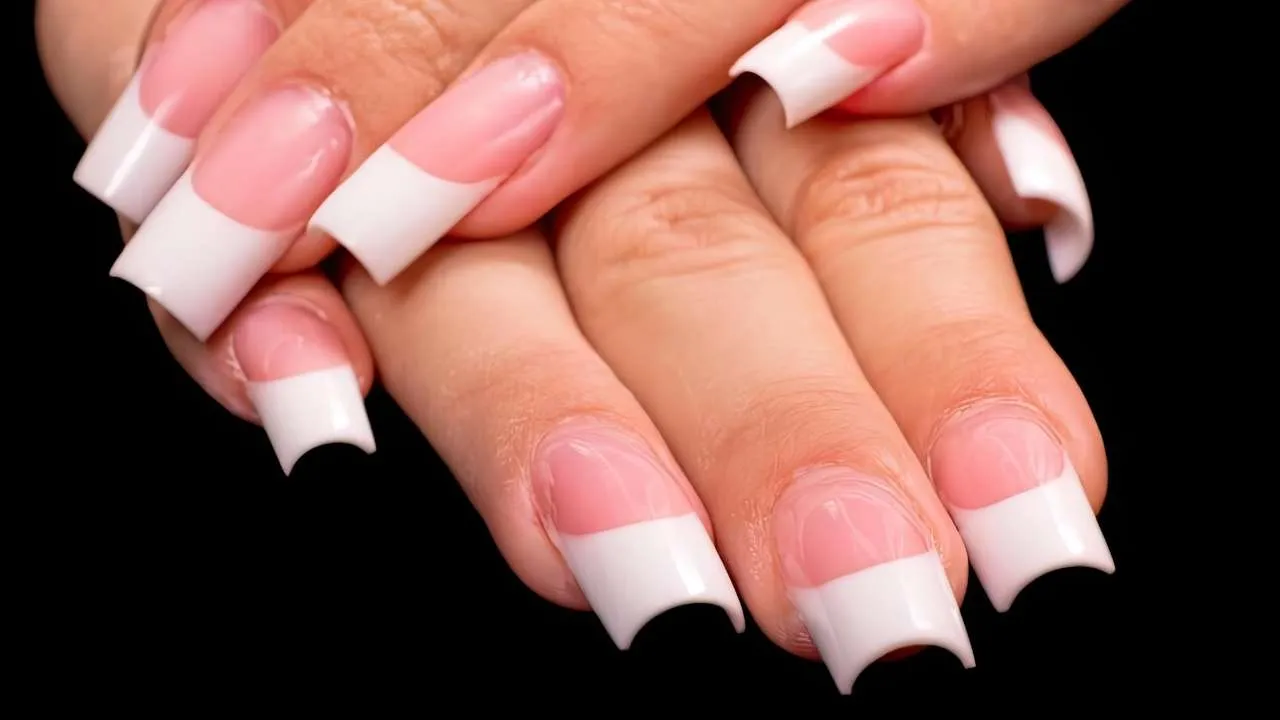
Have you ever wondered why some people's acrylic nails look flawless for weeks while others experience lifting within days? What's the secret to making your investment in beautiful nails truly last? If you've ever felt frustrated watching a fresh set of acrylics start to separate from your natural nail bed after just a few days, you're not alone. Many people assume that acrylic nails simply don't work for them, when in reality, the longevity of your manicure depends on factors you can actually control.
The truth is, acrylic nails aren't a one-size-fits-all approach with predictable results. Two people can walk out of different salons with seemingly identical sets, yet one person enjoys perfect nails for a month while the other deals with chips and gaps within a week. This inconsistency isn't magic or luck, it's the result of application quality, lifestyle habits, and maintenance schedules working together (or against each other).
Understanding how long acrylics actually last requires looking beyond simple timelines. The durability of your enhancement depends on multiple factors: the skill of your nail technician, the precision of cuticle preparation, your daily activities, and how well you care for your nails between salon visits. When applied using advanced techniques like the Russian manicure method, which prioritizes meticulous cuticle work and optimal adhesion, acrylics can potentially last twice as long as those applied with standard methods.
In this comprehensive guide, you'll discover exactly how long you can expect your acrylic nails to last, when you should schedule fill appointments, and what you can do between visits to maximize their lifespan. We'll explore the science behind acrylic adhesion, the warning signs that your nails need professional attention, and the proper removal techniques that protect your natural nail health. Whether you're considering acrylics for the first time or looking to improve your current maintenance routine, you'll gain practical strategies to keep your nails looking polished and professional for weeks at a time.
How long do acrylic nails actually last?
Acrylic nails typically last between two to five weeks before requiring maintenance, though this timeframe varies significantly based on several factors. Understanding what "lasting" actually means is important, there's a difference between structural integrity (the acrylic staying firmly attached to your natural nail) and aesthetic appearance (maintaining that fresh-from-the-salon look). Most people find that while their acrylics remain structurally sound for several weeks, visible regrowth at the cuticle area becomes noticeable within two to three weeks.
The science behind acrylic longevity starts with how the enhancement bonds to your nail. Unlike gel polish that requires UV light to cure, acrylics harden through air exposure when the liquid monomer and polymer powder combine. This creates a rigid, durable enhancement that forms a chemical bond with your natural nail plate. When applied correctly, this bond is remarkably strong, strong enough to withstand daily activities like typing, cooking, and light manual work.
However, your natural nails don't stop growing just because you have acrylics. As your nails grow forward from the cuticle area, a visible gap appears between the enhancement and your skin. This gap typically becomes noticeable around the two-week mark for most people, though individual nail growth rates vary. Some people have faster-growing nails that show visible regrowth within ten days, while others can go three weeks before the gap becomes obvious.
The quality of the initial application plays a massive role in how long your acrylics stay looking fresh. A skilled nail tech who properly prepares the nail bed, removing all oils, dehydrating the surface, and completing thorough cuticle removal, creates ideal conditions for long-lasting adhesion. When the acrylic bonds directly to clean keratin without any barriers, it's far less likely to lift or separate prematurely. This is where precision techniques make a real difference in longevity.
Your lifestyle significantly impacts how long acrylics maintain their appearance and structural integrity. If you frequently immerse your hands in water, use harsh cleaning chemicals without gloves, or use your nails as tools (opening cans, peeling labels, scratching surfaces), you'll likely experience lifting and damage sooner than someone who protects their hands during these activities. The acrylic itself is strong, but the bond between the enhancement and your natural nail can be compromised by excessive moisture and mechanical stress.
Daily activities like typing don't typically damage well-applied acrylics, but they do subject the enhancement to repeated impact. This is why proper nail architecture matters, when your technician builds the apex (the highest point of the nail) in the correct stress zone, the enhancement can absorb these impacts without cracking or breaking. Poorly structured acrylics may develop stress lines or cracks within a few weeks, even with careful use.
What affects how long acrylics last?
Application technique forms the foundation of acrylic longevity. Proper nail bed preparation involves gently removing the natural shine from your nail plate without over-filing, which would thin and weaken it. The surface must be thoroughly dehydrated using specialized products that remove oils and moisture. A protein bond or primer is then applied to create maximum adhesion between your natural keratin and the acrylic product. When any of these steps are rushed or skipped, lifting becomes almost inevitable within days.
Cuticle preparation deserves special attention because it's often the weak point in standard acrylic applications. The pterygium (dead cuticle tissue that clings to the nail plate) must be completely removed for the acrylic to bond directly to the nail surface. When this tissue remains, it creates a physical barrier that prevents proper adhesion. As your nail grows and this tissue naturally separates, it takes the acrylic with it, causing lifting at the cuticle area. Precision cuticle work using an e-file, as practiced in Russian manicure techniques, eliminates this barrier entirely.
Lifestyle factors play an equally important role in determining how long your acrylics stay intact:
Frequent water exposure is particularly problematic because water can penetrate any microscopic gaps between the acrylic and your natural nail, causing the bond to weaken
Exposure to harsh chemicals without protection can degrade both the acrylic material and the adhesive bond
Using your nails as tools puts excessive stress on the enhancement and can cause immediate damage
Opening soda cans, peeling price stickers, prying open containers, or scratching surfaces creates pressure points that can crack the acrylic
Natural nail growth rate varies from person to person based on age, genetics, diet, and overall health. Some people's nails grow quickly, showing visible regrowth within ten days, while others have slower-growing nails that take three weeks to show the same amount of gap. This biological factor is beyond your control, but understanding your personal growth rate helps you schedule fills appropriately.
Product quality matters more than many people realize. Professional-grade EMA (Ethyl Methacrylate) acrylics are specifically formulated for safety and durability, creating strong, flexible enhancements that resist yellowing and cracking. Lower-quality products, particularly those containing MMA (Methyl Methacrylate), may seem similar initially but often become brittle, discolored, and prone to lifting much sooner than professional-grade alternatives.
Aftercare habits directly impact how long your acrylics maintain their appearance and structural integrity. Daily application of cuticle oil (particularly jojoba oil) keeps both your natural nails and the acrylic enhancement hydrated and flexible. Without this moisture, acrylics can become brittle and prone to cracking. Wearing gloves during household chores protects against water and chemical exposure. Avoiding the temptation to pick at any lifting edges prevents you from accidentally stripping layers from your natural nail plate.
Nail architecture, the way your technician shapes and structures the enhancement, affects its ability to withstand daily stress. The apex should be positioned in the nail's natural stress zone, creating an arch that distributes pressure evenly across the enhancement. When the apex is too far forward or too flat, the acrylic is more vulnerable to breaking under normal use. Proper architecture can mean the difference between nails that last weeks and those that crack within days.
When should you get acrylic nail fills?
The standard recommendation for acrylic nail fills is every two to three weeks, though your individual needs may vary slightly based on your nail growth rate and lifestyle. This timeframe isn't arbitrary, it's based on how natural nails grow and how that growth affects the structural balance of your enhancement. Waiting longer than three weeks between fills increases your risk of damage to both the acrylic and your natural nail underneath.
As your natural nails grow, several changes occur that affect your manicure's appearance and integrity. First, the visible gap between your cuticle and the acrylic becomes increasingly obvious, creating an unkempt appearance that defeats the purpose of having polished nails. Second, and more importantly, the apex (the structural high point of the nail) shifts forward as your nail grows. This shift changes the stress distribution across the enhancement, making it more vulnerable to breaking or cracking.
The risks of waiting too long between fills extend beyond aesthetics. When a significant gap develops at the cuticle area, the edge of the acrylic can catch on things, causing it to lift further. Any lifting creates a pocket where moisture can become trapped underneath the acrylic. This warm, moist environment is ideal for bacterial or fungal growth, which can lead to painful infections and damage to your natural nail bed. Regular fills prevent these pockets from forming.
A fill appointment involves several important steps that restore your nails to their original appearance and structural integrity:
Your tech will file down the existing acrylic to smooth out any growth lines and remove the bulk of the old product near the cuticle area
Fresh acrylic is then applied to fill the gap, blending seamlessly with the existing enhancement
The apex is rebuilt in the correct position, restoring the nail's structural balance
The entire nail is shaped and polished to create a uniform, fresh appearance
Individual nail growth rates do vary, which means some people may need fills slightly more or less frequently than the standard two-to-three-week schedule. If you notice significant regrowth or lifting before two weeks, you may be a faster-than-average grower who benefits from slightly more frequent maintenance. Conversely, if your nails grow slowly and show minimal gap at three weeks, you might be able to extend the interval slightly, though waiting longer than three weeks is generally not advisable.
Visual cues that signal it's time for a fill include a visible gap of 3-4mm or more between your cuticle and the acrylic product. You might also notice that the nail looks "off-balance" or that the apex has shifted too far forward. Any lifting at the edges or corners, even if minimal, should prompt an immediate fill appointment to prevent moisture intrusion and further separation.
"Regular maintenance is the key to healthy, long-lasting acrylic nails. Waiting too long between fills doesn't save money, it often leads to more expensive repairs and potential nail damage."
Regular fills actually protect your nail health by maintaining proper structure and preventing damage from lifting or breakage. When you keep up with scheduled maintenance, your natural nails remain protected underneath the enhancement, growing out healthy and strong. Skipping fills or waiting too long between appointments often leads to emergency situations where the acrylic breaks or lifts significantly, potentially damaging your natural nail in the process.
The cost-effectiveness of timely fills versus full removal and reapplication is significant. A fill appointment typically costs $30-$60 (depending on your location and salon), while a full new set can cost $50-$95 or more. By maintaining your existing set with regular fills, you extend its overall lifespan and spend less per week than you would constantly removing and reapplying full sets. Quality maintenance is an investment in both your nail health and your budget.
Signs your acrylics need to be filled
A visible gap of 3-4mm or more between your cuticle and where the acrylic begins is the most obvious sign that you're overdue for a fill. This gap not only looks unkempt but also creates a weak point where the acrylic can catch on clothing or other objects, potentially causing painful tears or breaks. When you can clearly see where your natural nail has grown out, it's definitely time to schedule an appointment.
Any lifting at the edges or corners of your acrylics requires immediate attention, even if the gap at your cuticle isn't particularly large yet. Lifting creates a pocket where water, soap, and bacteria can accumulate underneath the acrylic. This trapped moisture can lead to greenish discoloration (a bacterial infection commonly called "greenies") or fungal infections that require medical treatment. If you notice any separation between the acrylic and your natural nail, don't wait, get it addressed promptly.
Changes in nail shape or balance as your natural nail grows indicate that the structural integrity of your enhancement has been compromised. You might notice that your nails feel "top-heavy" or that they don't sit quite right on your fingers anymore. This happens because the apex has shifted forward with your nail growth, changing the weight distribution and stress points. Nails in this condition are much more prone to breaking or cracking.
Warning signs that indicate you need a fill:
Visible stress lines or small cracks appearing in the acrylic
Discoloration or cloudiness underneath the acrylic (particularly white or yellowish appearance)
Nails feeling unbalanced or awkward during daily tasks
Difficulty with daily tasks because the grown-out length affects functionality
Any pain or pressure at the nail bed
Visible stress lines or small cracks appearing in the acrylic are warning signs that the enhancement is under too much pressure in the wrong places. These lines often appear when the apex has shifted too far forward or when the acrylic has become brittle from lack of moisture. If you see these stress indicators, schedule a fill before the crack propagates and causes the nail to break completely.
Discoloration or cloudiness underneath the acrylic, particularly a white or yellowish appearance, suggests that moisture has penetrated the enhancement. This trapped moisture can lead to separation of the acrylic from your natural nail and creates an environment conducive to infection. Any color change underneath your acrylics should be evaluated by a professional immediately.
Any pain or pressure at the nail bed suggests that the enhancement is pulling on your natural nail, which should never happen. This can occur when lifting has progressed to the point where the acrylic is no longer properly supported by your natural nail. Pain is always a sign that something is wrong and requires immediate professional evaluation to prevent damage to your natural nail.
How to maintain acrylic nails between fills
Daily cuticle oil application is the single most important maintenance step you can take between fill appointments. Jojoba oil is particularly effective because its molecular structure allows it to penetrate both your natural nail and the acrylic enhancement. Apply a small amount to each cuticle and the surrounding skin at least once daily, preferably twice. The oil acts as a plasticizer, keeping the acrylic flexible and preventing it from becoming brittle and prone to cracking.
Oils do more than just moisturize, they actually change the physical properties of the acrylic material. As solvents naturally evaporate from nail products over time, the enhancement can become rigid and brittle. Regular oil application replaces some of this lost moisture, maintaining the acrylic's flexibility so it can withstand the daily impacts and pressure your nails endure. This simple habit can significantly extend the life of your manicure.
Wearing waterproof gloves during household chores is non-negotiable if you want your acrylics to last. Water is one of the biggest enemies of acrylic adhesion because it can seep into microscopic gaps and cause the enhancement to lift. Cleaning products, dish soap, and other chemicals can also degrade the acrylic material and weaken the bond to your natural nail. Invest in a good pair of rubber gloves and wear them consistently for any task involving water or chemicals.
Never use your nails as tools, no matter how convenient it might seem in the moment. Opening soda cans, peeling price stickers, prying open containers, or using your nails to scratch surfaces puts excessive stress on the enhancement. While acrylics are strong, they're not designed to withstand the leverage and pressure involved in these activities. Use proper tools instead, your nails (and your manicure) will thank you.
Essential maintenance habits between fills:
Apply cuticle oil at least once daily (preferably twice)
Wear waterproof gloves for all household chores involving water or chemicals
Never use your nails as tools for opening, peeling, or prying
Wash hands quickly and dry thoroughly, especially around cuticles
Keep nails at a practical length for your daily activities
Never pick or peel at any lifting edges
Gently file any rough edges with a fine-grit file
Keep hands and cuticles moisturized with quality hand cream
Schedule fill appointments proactively (mark your calendar)
Proper hand-washing techniques can minimize water exposure to your nail plate while still maintaining good hygiene. Wash your hands quickly and efficiently, then dry them thoroughly, paying special attention to the area around your cuticles where water tends to linger. Avoid soaking your hands in water for extended periods, whether in the bath, pool, or while doing dishes without gloves.
Keeping nails at a practical length for your daily activities reduces the risk of breakage and makes your manicure more functional. If you type frequently, work with your hands, or have an active lifestyle, consider a shorter length that won't interfere with your tasks. You can always go longer for special occasions, but day-to-day, a moderate length is more practical and less prone to damage.
Never pick or peel at any lifting edges, no matter how tempting it might be. When you pick at lifting acrylic, you're not just removing the enhancement, you're also stripping away layers of your natural nail plate. This leaves your natural nails thin, weak, and vulnerable to further damage. If you notice lifting, resist the urge to "fix it yourself" and schedule a professional appointment instead.
Schedule your fill appointments proactively rather than waiting until you notice problems. Mark your calendar for two to three weeks after each appointment and book your next visit before you leave the salon. This proactive approach prevents the "emergency" situations that occur when you wait too long.
Lifestyle modifications can make a significant difference in how long your acrylics last. Beyond wearing gloves and avoiding using your nails as tools, consider how you perform daily tasks. Learn to use the pads of your fingers rather than your nails when typing, opening doors, or picking up objects. These small adjustments reduce stress on your enhancements and extend their lifespan considerably.
Professional removal and nail health
Never peel, pop, or pick off acrylic nails, this is the most critical rule for protecting your natural nail health. When you forcibly remove acrylics, you're not just taking off the enhancement; you're also stripping away layers of your natural nail plate that have bonded to the acrylic. This leaves your nails paper-thin, weak, and vulnerable to further damage. The temporary satisfaction of removing the acrylic yourself leads to months of recovery time for your natural nails.
Damage to natural nails comes almost exclusively from improper removal, not from the acrylic product itself. When people complain that "acrylics ruined my nails," what actually happened is that the removal process (whether self-inflicted or performed by an unskilled tech) damaged their natural nail plate. Properly applied and professionally removed acrylics leave your natural nails healthy and intact.
The professional removal process is a patient, methodical procedure that prioritizes nail health over speed. Your technician begins by filing down the top layer of polish and some of the acrylic bulk until the surface looks dull and matte. This breaks the seal of any topcoat and reduces the thickness of the enhancement, allowing the acetone to penetrate more effectively. This step alone can take several minutes when done properly.
Professional removal process steps:
File down the top layer of polish and some acrylic bulk
Soak nails in 100% pure acetone (or wrap in acetone-soaked cotton pads)
Wait 15-60 minutes for the acrylic to soften completely
Gently push off softened acrylic with a wooden or plastic pusher (no force required)
Apply cuticle oil and nail strengtheners to rehydrate the nail plate
Next comes the acetone soak, which is the key to safe removal. Your nails are either placed in a bowl of 100% pure acetone or wrapped in acetone-soaked cotton pads secured with foil or specialized clips. The acetone gradually breaks down the acrylic polymer, softening it from a hard, rigid material to a gel-like consistency. This process takes time, anywhere from 15 to 60 minutes depending on the thickness of the acrylic and the quality of the product used.
The waiting period during acetone soaking is necessary and cannot be rushed. As the acrylic softens, it transforms into a jelly-like substance that can be gently pushed off the nail plate with a wooden or plastic pusher. When removal is done correctly, this process requires zero force, the softened acrylic simply rolls off the nail surface. If you find yourself needing to scrape or pry, the acrylic hasn't soaked long enough and needs more time in the acetone.
After removal, your natural nails need immediate care and attention. A professional will apply cuticle oil and nail strengtheners to rehydrate the nail plate, which has been dried out by the acetone exposure. Your nails may feel slightly soft or flexible immediately after removal, but this is temporary. With proper aftercare, they'll return to their normal strength within a few days.
"The myth that acrylics 'ruin' natural nails persists because of improper removal techniques. When applied and removed correctly by a skilled professional, acrylics don't damage your natural nails at all."
The myth that acrylics "ruin" natural nails persists because so many people experience damage, but this damage is always the result of user error, either improper application, improper removal, or both. When a skilled technician applies acrylics using proper preparation techniques and removes them with patience and care, your natural nails remain healthy throughout the process.
High-quality removal by a skilled technician leaves your natural nails in the same condition they were in before the acrylics were applied (or sometimes even better, if the enhancement protected them from damage during wear). The key is finding a tech who understands proper removal protocol and doesn't rush the process to save time.
You have the option of continuous wear with regular fills versus periodic removal for style changes. Many people maintain the same set of acrylics for months or even years, getting fills every two to three weeks to maintain them. This continuous wear approach is perfectly safe when maintenance is consistent and proper. Others prefer to remove their acrylics periodically to give their natural nails a "break" or to change styles, which is also fine as long as removal is done professionally.
Properly maintained acrylics can be worn indefinitely with regular fills every two to three weeks. There's no medical or health reason to remove them periodically if you're happy with them and they're being properly maintained. The idea that nails "need to breathe" is a myth, nails are dead keratin and don't require oxygen. As long as you're keeping up with fills and practicing good aftercare, you can wear acrylics as long as you like.
Concerns about nail thinness after removal are valid but preventable through proper technique. If your nails feel thin or weak after acrylic removal, it's because too much of your natural nail plate was removed, either during initial preparation, through picking at lifting edges, or during improper removal. Choosing a skilled technician who understands proper preparation and removal techniques prevents this problem entirely.
Acrylic nails vs. gel: which lasts longer?
Both acrylic and gel enhancements can last two to five weeks, but the durability depends more on application quality and aftercare than on the product type itself. This surprises many people who assume one product is inherently superior to the other. In reality, a poorly applied gel manicure will fail faster than a well-applied acrylic set, and vice versa. The skill of your nail tech and the precision of the preparation work matter far more than whether you choose acrylic or gel.
Acrylics cure through air exposure, undergoing a chemical reaction between the liquid monomer and polymer powder that causes them to harden naturally. This curing process creates a thick, rigid enhancement with a very strong structure. Once fully cured (which takes only a few minutes), acrylics are immediately hard and durable, ready to withstand daily activities without any additional processing.
Gel requires UV or LED light to cure, remaining in a liquid or semi-liquid state until exposed to the specific wavelength of light that triggers polymerization. Once cured, gel has a more flexible consistency than acrylic, which some people prefer because it feels more natural. However, this flexibility can also make gel more prone to bending or flexing under pressure, which may lead to lifting if not properly applied.
Key differences between acrylic and gel:
Curing method: Acrylics cure through air exposure; gel requires UV/LED light
Texture: Acrylics are rigid and thick; gel is more flexible and natural-feeling
Strength: Acrylics provide maximum durability; gel offers moderate strength
Removal: Acrylics soak off with acetone; hard gel must be filed off
Odor: Acrylics have a distinct smell; gel has minimal odor
Best for: Acrylics excel at length and dramatic shapes; gel works well for natural looks
Hard gel can add length and strength to natural nails, functioning similarly to acrylics in terms of structural enhancement. It's sculpted onto the nail or onto a form to create extensions, then cured under UV or LED light. Soft gel, on the other hand (including products like Shellac), is essentially a durable polish that cannot add length or change the nail's shape. Soft gel is applied over your natural nail or over tips for color and protection only.
Acrylics are generally preferred for maximum durability and structural correction because they dry to a thicker, more rigid consistency than most gels. If you have weak, flexible natural nails that tend to break easily, acrylics provide superior reinforcement. They're also the better choice for dramatic length or sharp shapes like stiletto or coffin nails because the rigid structure supports these architectural designs better than flexible gel.
Gel may be gentler for those with sensitivities to acrylic monomer, though both products are safe when properly applied and used in well-ventilated spaces. Some people find the smell of acrylic monomer unpleasant or irritating, while gel products typically have minimal odor. However, both can cause allergic reactions in predisposed individuals, so proper application technique and avoiding skin contact with uncured product is essential regardless of which type you choose.
Removal differences between the two products are significant. Acrylics soak off relatively easily with pure acetone, softening into a gel-like consistency that can be gently removed without damaging the natural nail. Hard gel, however, cannot be soaked off, it must be filed away completely, which requires more time and skill to avoid damaging the natural nail underneath. This makes acrylic removal generally safer and easier than hard gel removal.
The choice between acrylic and gel depends on your lifestyle needs, desired nail shape, and personal preferences. If you want maximum durability, dramatic length, or architectural shapes, acrylics are typically the better choice. If you prefer a more flexible, natural feel and don't need significant length, gel might suit you better. Neither is objectively "better", they're simply different tools for different needs.
Technician skill and proper preparation matter more than product type for longevity. A highly skilled tech can make either acrylics or gel last for weeks without lifting, chipping, or breaking. Conversely, poor technique will cause either product to fail prematurely. When choosing between the two, focus less on the product and more on finding a skilled, experienced technician who understands proper application and nail preparation.
Combining techniques, such as using structured base gel principles with acrylic application, can improve results by leveraging the benefits of both systems. Some modern nail techs use hybrid approaches that incorporate the best aspects of different enhancement methods. This innovation in nail technology continues to improve the durability and appearance of all types of nail enhancements.
Why choose Xpert Russian Manicure Salon for your acrylic nails
For current appointment and service details at Xpert Russian Manicure Salon, contact the business directly. This article does not verify the salon’s equipment, staff credentials, or procedures.
The dry Russian manicure technique forms the foundation of our superior results. Unlike traditional manicures that involve soaking hands in water, we work exclusively on dry nails. This matters because water causes the nail plate to swell temporarily, expanding its surface. When acrylics are applied to a swollen nail plate, they bond to that expanded surface. As the nail dries and contracts back to its normal size, the enhancement no longer fits properly, leading to premature lifting. By working on dry nails, we maintain the acrylic bonds to your nail plate in its natural state, creating a perfect fit that lasts.
Meticulous cuticle work using an e-file is where our Russian technique truly shines. We don't just push back your cuticles, we completely remove all non-living tissue (pterygium) that clings to the nail plate. This dead tissue acts as a barrier between your natural nail and the acrylic, preventing proper adhesion and creating the perfect conditions for lifting. By removing it entirely with precision e-file work, we eliminate this barrier, allowing the acrylic to bond directly to your living keratin. This direct bond can potentially double the lifespan of your enhancement compared to standard application methods.
What sets Xpert Russian Manicure Salon apart:
Dry Russian manicure technique for optimal adhesion
Complete pterygium removal using precision e-file work
Proper apex structure built in the nail's stress zone
Certified technicians with extensive training in nail anatomy
Client-centric consultation process for personalized service
High-quality EMA acrylic products (never MMA)
Ask how reusable tools are processed and check local requirements for the service.
Specific aftercare guidance for every client
Our focus on nail architecture means we build proper apex structure in the stress zone of each nail, creating an arch that supports daily impact and prevents breaks. The apex isn't just about aesthetics, it's about physics. When positioned correctly, it distributes pressure evenly across the enhancement, allowing your nails to withstand typing, opening doors, and other daily activities without cracking or breaking. This structural integrity is especially important for longer nail lengths or dramatic shapes.
Our certified technicians undergo extensive training in nail anatomy, e-file technique, and proper product application. Understanding nail anatomy allows our techs to work with your natural nail structure rather than against it, creating enhancements that feel comfortable and natural. E-file mastery provides we remove only what's necessary during preparation without thinning your natural nail plate. Proper product application technique creates the strong, seamless bond that keeps your acrylics intact for weeks.
The client-centric consultation process we provide confirms that your nail goals align with your lifestyle needs. We don't believe in one-size-fits-all nail services. During your consultation, we discuss your daily activities, aesthetic preferences, and any concerns about nail health. This allows us to recommend the length, shape, and maintenance schedule that will work best for your specific situation, maintaining you're happy with both the appearance and functionality of your acrylics.
We recommend fills every two to three weeks to maintain structural balance and nail health. This schedule isn't arbitrary, it's based on average nail growth rates and the point at which the apex begins to shift forward enough to compromise the enhancement's integrity. Regular maintenance at this interval keeps your nails looking fresh and prevents the lifting, breakage, and other problems that occur when fills are delayed too long.
We use only high-quality EMA (Ethyl Methacrylate) acrylic products that meet professional safety standards. EMA acrylics are specifically formulated to be safe for use on natural nails, creating strong, flexible enhancements that resist yellowing and brittleness. We never use MMA (Methyl Methacrylate) products, which are cheaper but can cause serious nail damage and health problems. Product quality matters, and we refuse to compromise on this fundamental aspect of nail safety.
Tool-processing requirements vary by item and location. Ask the provider how reusable tools are processed and check current local rules.
We provide specific aftercare guidance to every client, including recommendations for cuticle oils and daily maintenance practices. Your nail care doesn't end when you leave our salon, it continues at home with the simple habits we teach you. We'll explain exactly which products to use, how often to apply them, and what activities to avoid to maximize your manicure's lifespan. This education empowers you to take control of your nail health.
The combination of advanced technique, quality products, and skilled application delivers consistently superior results that our clients notice immediately. Your acrylics will feel comfortable, look natural (even at dramatic lengths), and last significantly longer than you may have experienced elsewhere. This consistency is what builds trust and keeps clients returning to us for all their nail care needs.
Final thoughts
Acrylic nails typically last two to five weeks before requiring fills, with the standard maintenance schedule being every two to three weeks for optimal results. This timeframe isn't set in stone, it varies based on your individual nail growth rate, lifestyle, and how well you care for your enhancements between salon visits. Understanding these variables empowers you to make informed decisions about your nail care routine.
Longevity depends on three interconnected factors: quality application, lifestyle habits, and consistent maintenance. A skilled technician using proper preparation techniques creates the foundation for long-lasting acrylics. Your daily habits, wearing gloves during chores, applying cuticle oil, avoiding using nails as tools, protect that investment. Regular fill appointments maintain the structural integrity and appearance of your enhancement. All three elements must work together for optimal results.
Proper removal is necessary for protecting natural nail health and cannot be emphasized enough. The damage that people attribute to "acrylics ruining my nails" is actually damage from improper removal, peeling, picking, or aggressive scraping that strips away layers of the natural nail plate. Professional removal using proper acetone soaking and gentle technique leaves your natural nails healthy and intact, ready for your next set or a period of natural nail care.
Investing in skilled technicians and precision techniques pays dividends in durability and nail health. While budget salons may seem appealing initially, the frequent repairs, shorter wear time, and potential nail damage they cause make them more expensive in the long run. Quality application from a trained professional costs more upfront but lasts longer and protects your natural nails, providing better value overall.
Daily aftercare practices, cuticle oil application, wearing gloves during chores, and avoiding nail abuse, make the difference between acrylics that last two weeks and those that last five. These simple habits take only a few minutes per day but significantly extend your manicure's lifespan. Think of aftercare as protecting your investment; you wouldn't buy an expensive item and then neglect to care for it properly.
With proper care, acrylics provide a long-lasting, polished appearance suitable for professional settings, special occasions, and everyday life. They offer the convenience of always having perfectly manicured nails without the daily maintenance that natural nails require. For busy professionals, this consistency is invaluable.
Key takeaways for long-lasting acrylic nails:
Schedule fill appointments every 2-3 weeks proactively
Apply cuticle oil daily to maintain flexibility
Wear gloves during all water and chemical exposure
Never use nails as tools or pick at lifting edges
Choose skilled technicians who prioritize proper technique
Invest in quality products and professional removal
Understand your personal nail growth rate and adjust accordingly
Taking control of your nail health through informed choices means understanding what makes acrylics last, recognizing the signs that maintenance is needed, and choosing skilled professionals who prioritize your nail health over speed or profit. You deserve beautiful nails that last, and achieving that goal is entirely within your control.
Seek out precision-focused salons that emphasize proper technique, quality products, and thorough aftercare education. The difference between a mediocre manicure and an exceptional one often comes down to the technician's training and the salon's commitment to excellence. Your nails are worth the investment in quality care.
FAQs about acrylic nails lifespan
How long do acrylic nails stay on without fills?
Acrylics can technically stay on for four to six weeks without fills, but this isn't recommended for several important reasons. After three weeks, visible gaps appear at the cuticle area, and the structural balance of the nail begins to shift as the apex moves forward with your nail growth. Waiting too long between fills increases the risk of lifting, which creates pockets where moisture can become trapped underneath the acrylic. This moisture creates an ideal environment for bacterial growth and can lead to painful infections. Regular fills every two to three weeks maintain both the appearance and structural integrity of your enhancement while protecting your natural nail health.
Can you let acrylic nails grow out naturally?
Yes, you can let acrylic nails grow out naturally, but it's not advisable for extended periods. As your natural nails grow, the apex shifts forward and creates uneven stress distribution across the enhancement. This makes the acrylic more vulnerable to breaking or cracking, particularly at the point where your natural nail ends and the extension begins. Growing out acrylics without maintenance also increases the risk of lifting at the cuticle area, which can trap moisture and lead to infections. If you've decided to stop wearing acrylics, professional removal is much safer than letting them grow out completely, as it protects your natural nail plate from damage.
Do acrylic nails damage your natural nails?
Properly applied and professionally removed acrylics don't damage natural nails. The myth that acrylics "ruin" nails persists because so many people experience damage, but this damage occurs from improper removal, specifically peeling, picking, or aggressive scraping that strips away layers of the natural nail plate. Over-filing during application can also thin the natural nail, but this is a technique error, not a problem with the acrylic product itself. Choosing a skilled nail technician who understands proper preparation and removal techniques is essential for maintaining healthy natural nails. High-quality EMA acrylic products applied with gentle technique and removed with patience protect rather than harm your nail plate.
How much do acrylic nail fills cost?
Fill costs vary by location and salon quality, typically ranging from $30 to $60 in most areas. Precision salons using advanced techniques like Russian manicure methods may charge more, reflecting the additional skill, training, and time investment required for meticulous cuticle work and proper application. While this may seem expensive compared to budget options, regular fills are significantly more cost-effective than full removal and reapplication every few weeks. Quality fills also extend the overall lifespan of your enhancement, meaning you get more wear time for your investment. When evaluating cost, consider the value per day rather than just the upfront price.
What happens if you don't get your acrylics filled?
Skipping fills leads to several problems that compromise both appearance and nail health. Visible gaps develop at the cuticle area, creating an unkempt look that defeats the purpose of having polished nails. The nail structure becomes unbalanced as the apex shifts forward, making the enhancement more vulnerable to breaking or cracking. Lifting often occurs at the edges and cuticle area, creating pockets where moisture can become trapped underneath the acrylic. This trapped moisture creates an ideal environment for bacterial or fungal growth, which can cause painful infections and damage to your natural nail bed. Delayed maintenance often requires more extensive and expensive repair work than regular fills would have cost, making procrastination both unhealthy and uneconomical.