

How Long Does Russian Manicure Last Really?
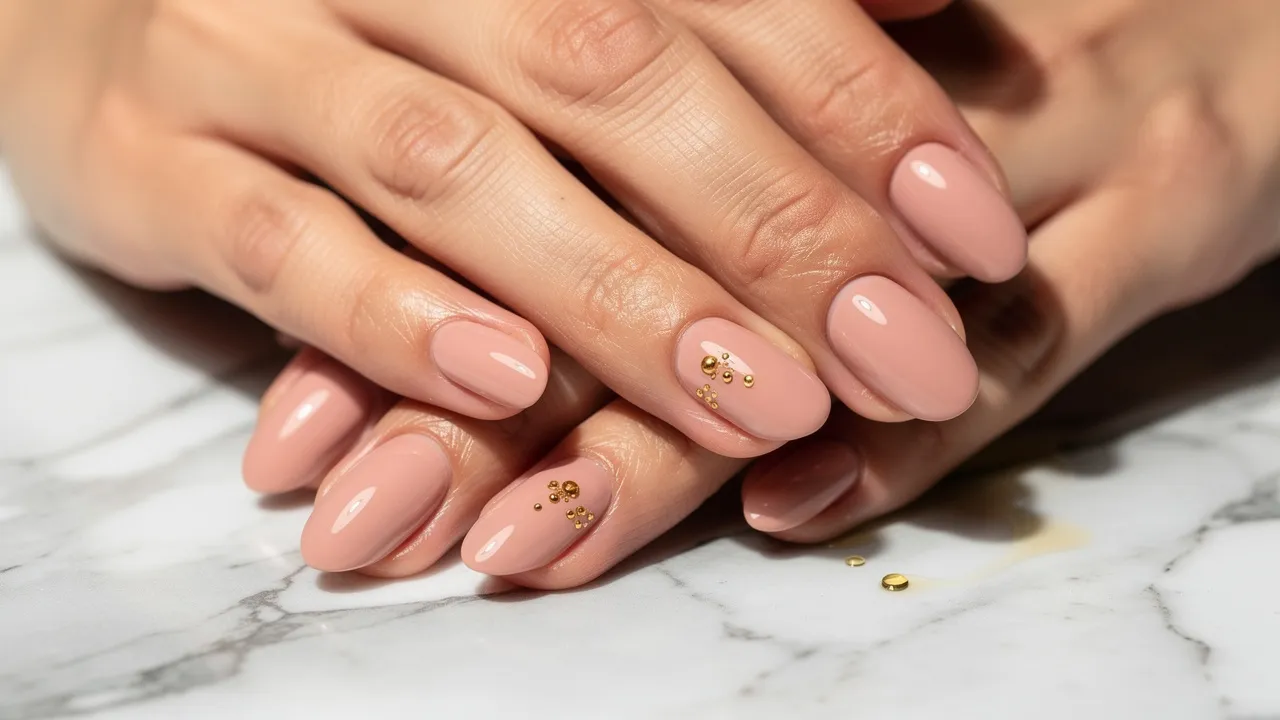
Short answer: A Russian manicure with gel commonly lasts about three to four weeks, and some clients get up to five with slow nail growth and gentle habits. Fast growers and hands-on jobs may need a fill after two to three weeks. No number is guaranteed, because product, application, nail growth and aftercare all matter.
How long a Russian manicure lasts varies from person to person; there is no guaranteed wear period. Product, preparation, nail growth, and daily habits all affect when the set looks ready for maintenance.
The service usually involves dry, detailed nail preparation and may include gel, but the technique name alone does not predict longevity. This guide focuses on wear time and upkeep; see the separate Russian manicure overview for a definition.
The exact result depends on the technician’s skill, product quality, and how the nails are treated at home. In this article, you will learn what a Russian manicure is, what can affect how long it lasts, and how long you can realistically expect it to last, how it compares to regular manicures, and how aftercare affects wear time. You will also see what kind of time and cost to expect, with insights from specialists like Xpert Russian Manicure Salon.
What is a Russian manicure and why does it last so long?
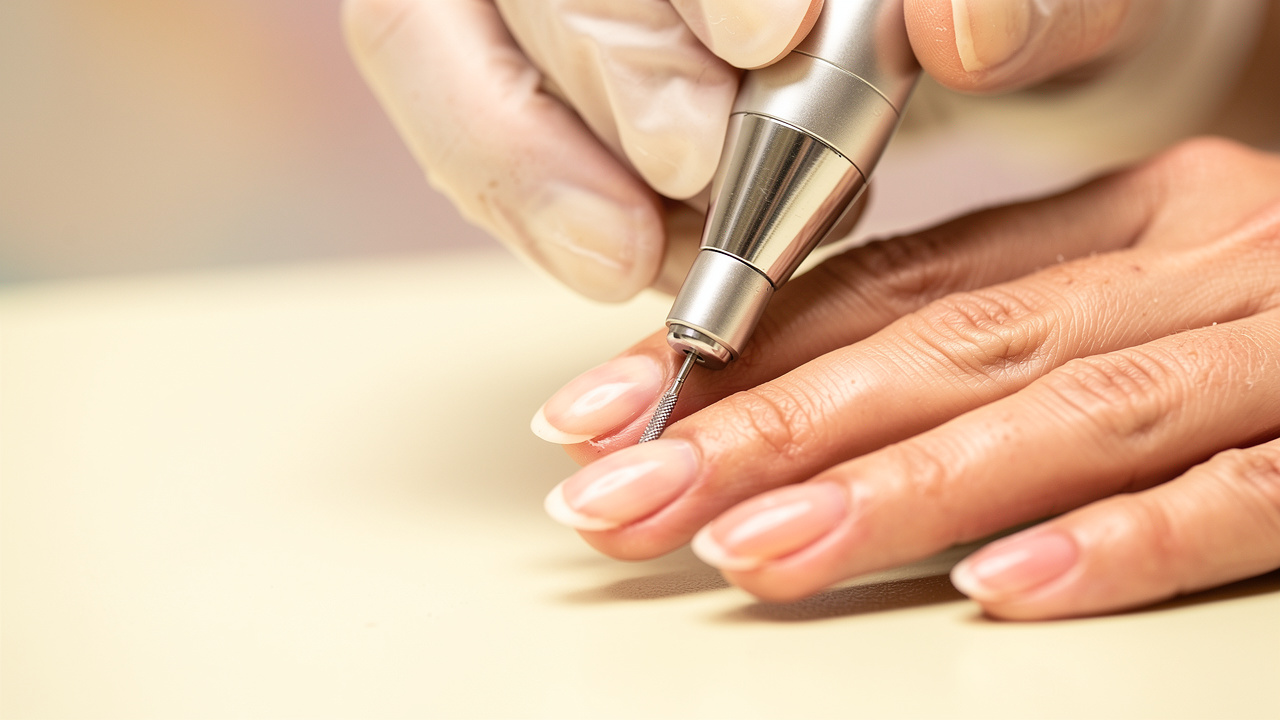
A Russian manicure is a dry, e-file-based manicure that focuses on precision prep rather than quick polish application. There is no soaking in water, no rough pushing of cuticles, and very limited use of nippers. Instead, the technician uses an electronic file with tiny bits to shape the nail, refine the surface, and clean the cuticle area with very fine control.
One key detail is how the technician treats the tissue around the nail. The living skin at the base of the nail is called the eponychium, and it protects the nail root. The thin layer of dead tissue stuck to the nail plate is the true cuticle or pterygium. In a skilled Russian manicure, the aim is to remove only this dead tissue and leave the living skin intact. That cleaning step exposes more clean nail surface, which can give gel products a larger area to bond to; dry or wet preparation is only one of several factors that affect how long a coating wears.
Another reason a Russian manicure lasts longer is nail “architecture.” Instead of a flat layer of base coat, the technician builds a gentle apex with structured base or builder gel in the nail’s stress zone. This small arch supports daily impact and helps reduce breaks, especially on longer nails. Combined with careful shaping and controlled preparation, it can create a smoother surface that may support wear for some clients.
How dry preparation may support adhesion
The dry Russian manicure technique works so well because it focuses on adhesion science. Before any base coat goes on, the nail plate is carefully cleaned and then treated with a dehydrating liquid that removes traces of water and oil. That step leaves a dry surface where the base coat can adhere to the prepared nail surface.
With no moisture trapped under the product, the base coat, color, and top coat can form one continuous shell instead of separate layers that peel apart. In many regular gel manicures, the cuticle is only pushed back and some dead tissue stays on the nail. For some clients, that residue can contribute to earlier lifting around the cuticle, although it is not the only possible cause. Careful dry preparation can remove more of it, but how long a coating lasts still depends on the product, curing, nail growth and everyday wear.
That attention to prep is one factor that can help a coating stay glossy for longer, though results still vary between products, clients and daily habits.
How long does a Russian manicure last?
So how long does a Russian manicure last in real life? Wear time varies widely. Some clients get several weeks from a well-applied coating and good home care, while others need maintenance sooner; the product, preparation, nail growth and daily habits all matter. Many people schedule a fill or a fresh set when regrowth or wear becomes noticeable rather than after a fixed number of weeks.
Regular manicures with standard polish often look tired after three to seven days, and even a basic gel manicure usually needs replacing after two to three weeks. Because the coating can be placed close to the cuticle with careful preparation, the gap from nail growth may be less obvious for a while. That means the manicure looks “fresh” for longer, even as the nail grows.
Several key factors affect Russian manicure longevity and the final Russian manicure results:
Product quality and application
Professional base coats, gels, and top coats that are designed for long wear hold up much better than generic products. Careful application in thin, even layers, proper curing, and correct builder placement all support Russian manicure longevity. Cheap or old products can chip faster, no matter how skilled the tech is.Individual nail growth and lifestyle
Nails that grow quickly will show a gap at the cuticle sooner, even if the coating itself stays intact. Daily habits also matter:Office work with mostly typing and paperwork is gentle on nails.
Jobs involving tools, constant handwashing, or frequent swimming create more stress on the coating.
Health factors such as hormones or medications can affect how strongly product adheres to the nail plate.
Aftercare habits at home
Russian manicure aftercare has a big impact on how long the coating stays sealed. Daily cuticle oil, gloves for cleaning, and avoiding using nails as tools can easily add a week of wear. Harsh chemicals, constant soaking, picking at the edges, or peeling off product instead of proper removal will shorten the lifespan fast.
In terms of time in the chair, a full Russian manicure usually takes around 90 minutes to two hours, especially for a first visit or for detailed designs. That extra time in prep is the trade-off for a more detailed service and, for many clients, a neater grow-out.
Russian manicure vs. regular manicure
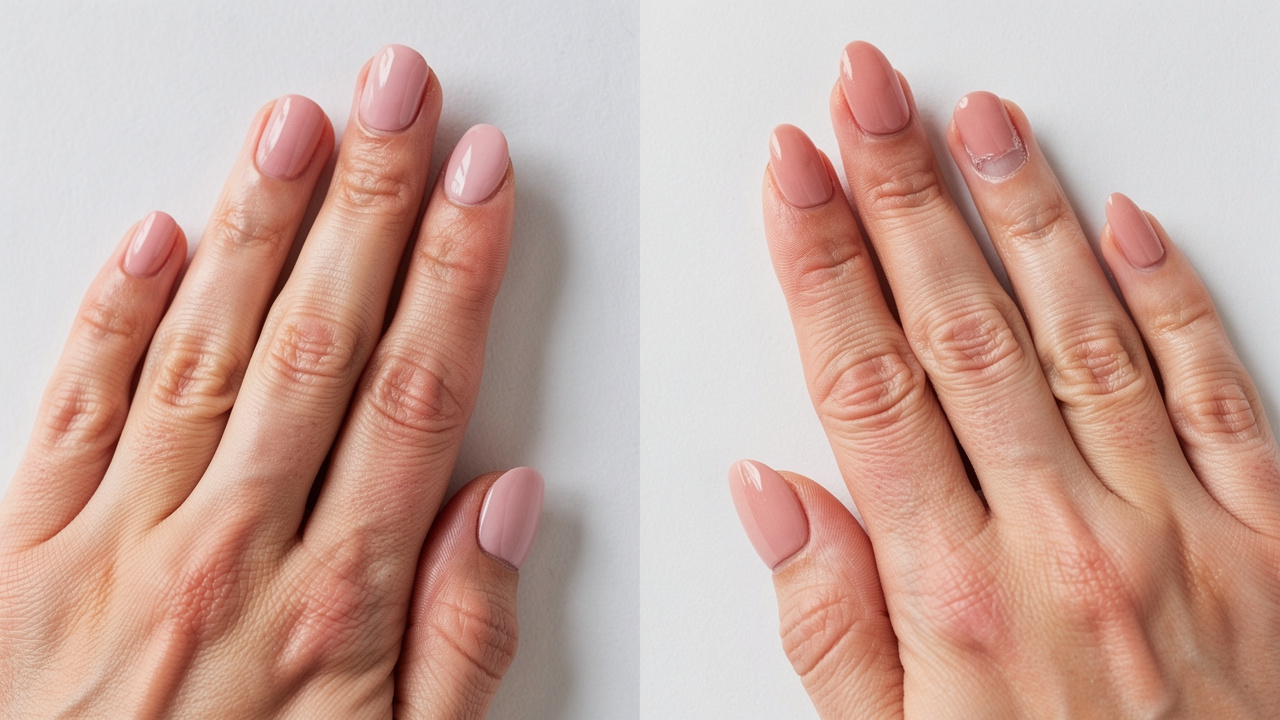
For someone used to quick polish changes, a Russian manicure can sound intense. Laying the two methods side by side helps show what you gain by choosing the Russian manicure technique, especially paired with gel products.
Here is a simple comparison.
| Feature | Russian manicure | Traditional / gel manicure |
|---|---|---|
| Technique | Dry, e-file precision on nail and cuticle | Water soak, basic hand file, simple cuticle push |
| Cuticle treatment | Dead tissue removed with e-file bits | Often pushed back or quickly trimmed |
| Longevity | Depends on the product, nail growth and maintenance; many clients book a fill or a new set every few weeks | Depends on the product and habits; regular polish often shows wear sooner than gel |
| Adhesion method | Full dehydration and clean keratin surface | Standard prep; cuticle often left on plate |
| Grow-out look | Slow, natural-looking gap | Gap line appears faster and looks more obvious |
| Nail health impact | Can be gentle when living tissue is left intact, but risks still depend on technique and tools | Cutting or forceful pushing of skin can raise infection risk in either method |
A key point is that “Russian manicure” describes the preparation method, not the type of polish. Most salons use Russian manicure gel polish for the longest wear. A Russian manicure with gel polish can wear well for many clients, while a basic gel service may lift sooner; individual results still vary.
If someone asks how long does a Russian manicure last compared with how long does gel manicure last, the honest answer is that wear depends more on the product, application and maintenance than on the technique name alone. Careful preparation can give a neater grow-out, but it is not a guarantee of extra weeks for every client.
Russian manicure aftercare
The salon visit creates the base, but Russian manicure aftercare determines how long that perfect finish stays intact. Even the best Russian manicure e-file technique can fail early if nails are treated roughly at home. A short daily routine keeps the coating flexible, supports Russian manicure nail growth, and protects the seal around the cuticle.
Helpful daily habits include the following:
💧 Apply cuticle oil every day
A few drops of professional oil massaged into the cuticle line and sidewalls keeps the skin supple and protects the gel edge. Jojoba oil is a favorite, because it can slip into tiny spaces in the gel structure and keep it slightly flexible. That helps the coating absorb bumps instead of cracking as solvents in the product slowly evaporate.🧤 Use waterproof gloves for chores
Dishwashing, scrubbing floors, and cleaning with harsh products soak the nails and dry the skin. Water makes the nail plate swell, then shrink again as it dries, which stresses the gel bond. A simple pair of gloves reduces that cycle and supports longer Russian manicure longevity.✋ Treat nails like jewelry, not tools
Prying open cans, scraping stickers, or using nails to lift tabs puts pressure on the free edge and apex. Even a strong manicure can chip or crack from that motion. Reaching for a tool instead of a fingernail is an easy way to add days of wear.🚿 Limit long soaks in hot water
Long, very hot baths, saunas, and hot tubs soften the skin and can slowly weaken the product bond. Short showers and less time with hands underwater help keep the seal around the cuticle tight and clean.🧴 Keep hands and cuticles moisturized
Hydrated skin around the nail folds supports the edge of the manicure and reduces snagging. Dry, cracked skin can lift slightly away from the nail and pull at the top coat. A rich hand cream plus cuticle oil keeps the whole area soft and smooth.🧷 File, don’t pick
If you notice a tiny snag or rough edge, use a soft nail file to smooth it instead of peeling or biting at the product. Picking at one corner can break the seal and lead to lifting across the whole nail.
With steady aftercare, many clients schedule a Russian manicure every few weeks. Some with slower Russian manicure nail growth and very careful habits stretch visits to five weeks, but waiting too long loads extra stress on the gel at the base of the nail. Regular visits keep the structure balanced and the nails healthy.
How long it lasts for different lifestyles
| Your routine | Typical expectation | Why |
|---|---|---|
| Desk work, gentle hands, gloves for chores | About 3 to 5 weeks before a fill | Little stress on the coating, so wear is mostly limited by regrowth |
| Average day with regular handwashing | About 3 to 4 weeks | Water cycles and soap slowly stress the bond |
| Hands-on work, frequent water, cleaning or gym | About 2 to 3 weeks | Impact and water exposure wear the edge and seal faster |
| Fast nail growth | Fill at 2 to 3 weeks | The gap at the cuticle shows early even when the gel is intact |
These are planning ranges, not promises. Use the grow-out line and the edges of your nails, not the calendar, to decide when to book.
Signs it is time for a fill or a new set
- A visible gap at the cuticle that is wider than you like, or growth that has shifted the apex.
- Lifting at the cuticle or sidewalls, even a small edge. Lifted gel can trap water.
- Chips or cracks that reach the natural nail.
- The nail feels flexible or bends at the stress area.
Book promptly if you see lifting. Water trapped under a lifted edge is a common reason for green discoloration, which needs a doctor's attention rather than another coat of gel.
Fill, rebalance or full new set?
A fill rebalances the product as the nail grows, a rebalance reshapes the apex without starting over, and a full removal is best when there is lifting, a damaged base or heavy wear. Your technician can tell which you need. For the builder-gel side of this, read infill builder gel without removing it.
Is a Russian manicure worth it?
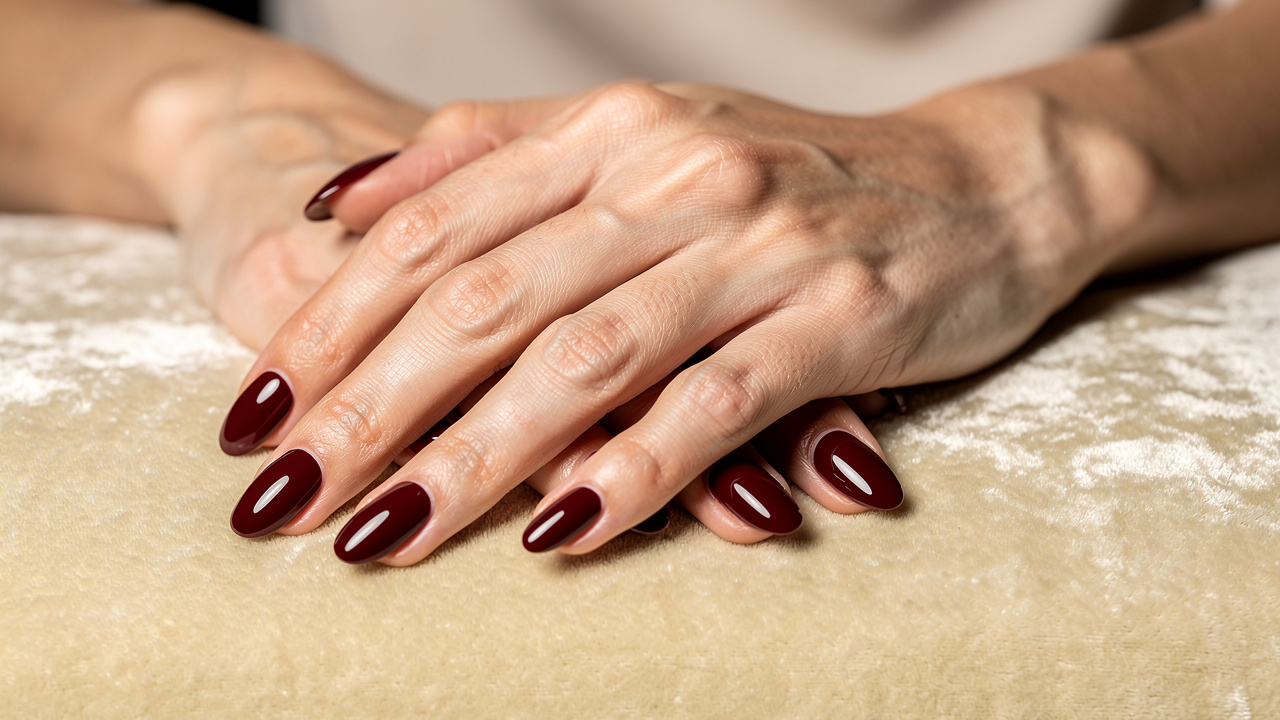
For many clients, the main question is not just how long does a Russian manicure last, but whether the time and price line up with the benefits. For professionals, parents, and social clients who prefer neat nails without weekly touch-ups, the answer is often yes.
Key Russian manicure benefits go far beyond long wear:
✅ Very clean, refined look
Because the cuticle area is cleaned with care and polish sits close to the skin, the finish looks smooth, tidy, and almost airbrushed. The base coat structure can visually correct ridges or uneven plates, so nails look longer and more balanced even before color goes on.✅ Support for long-term nail health
The dry method avoids swelling the nail in water and skips harsh cutting of living skin. Over time, this can reduce redness, thick regrowth, and painful hangnails. The focus on removing only dead tissue and protecting the eponychium supports healthier growth.✅ Great option for problem nails
Clients with brittle nails, peeling, or constant hangnails often see better results with Russian manicure cuticle care. Detailed e-file work can smooth rough edges and support coatings that protect fragile plates as they grow out.
Russian manicure cost is higher than a quick polish change. A full appointment often runs from about $70 to $120 or more, depending on country, city, and technician experience. Sessions usually last 90 minutes to two hours, which reflects the detailed prep and shaping. Spread over four or five weeks of wear, many people see the cost per day as lower than paying for two standard manicures in the same period.
It is also important to be honest about fit. Clients with active infections, severe allergies to gel products, or very short bitten nails may need a different approach before moving to a full Russian manicure. A good technician will talk through your nail history and suggest the safest plan.
For those who value clean, long-lasting nails, Russian manicure pros and cons tend to favor this method.
To close
Russian manicure is a careful, science-based technique that gives long-lasting shine and a very clean finish. For clients in the US, Canada, the UK, and beyond who want nails that stay polished through workdays and weekends, choosing a trained Russian manicure specialist and following simple at-home habits is the key to getting the most from every appointment.
FAQs
How long does a Russian manicure take from start to finish?
Most Russian manicure appointments take around 90 minutes to two hours from prep to top coat. The technician works on one nail at a time and spends extra time on careful cuticle work, which can be 10–20 minutes per hand. Detailed designs, repairs, or a first visit can extend the service slightly.
How often should you get a Russian manicure?
Most clients return every three to four weeks for a new Russian manicure or structured fill. With very good aftercare and slower nail growth, some stretch visits to about five weeks. Waiting much longer can place extra pressure on the old product line and make lifting or breaks more likely.
Can you get a Russian manicure with gel polish?
Yes, Russian manicure with gel polish is actually the most common and longest-lasting option. The Russian manicure technique prepares the nail, and then gel color is applied in thin, precise layers and cured under a lamp. Wear time still depends on the product, application and home care, so avoid treating any single number as a promise.
Can a Russian manicure last six weeks?
Some sources claim it can, but we would not plan on it. Stretching wear past the point of regrowth puts extra stress on the base and raises the chance of lifting, and lifted gel can trap moisture. A fill every three to four weeks is a safer rhythm for most people.
Does a Russian manicure last longer than a regular gel manicure?
Often a little longer, because careful dry preparation can give the gel a cleaner surface and a neater grow-out. The product, application and your habits still decide the result. See Russian manicure vs regular manicure.
Related guides
More in this topic: Russian Manicure guides.