

Acrylic vs Gel Nails: Which Should You Choose?
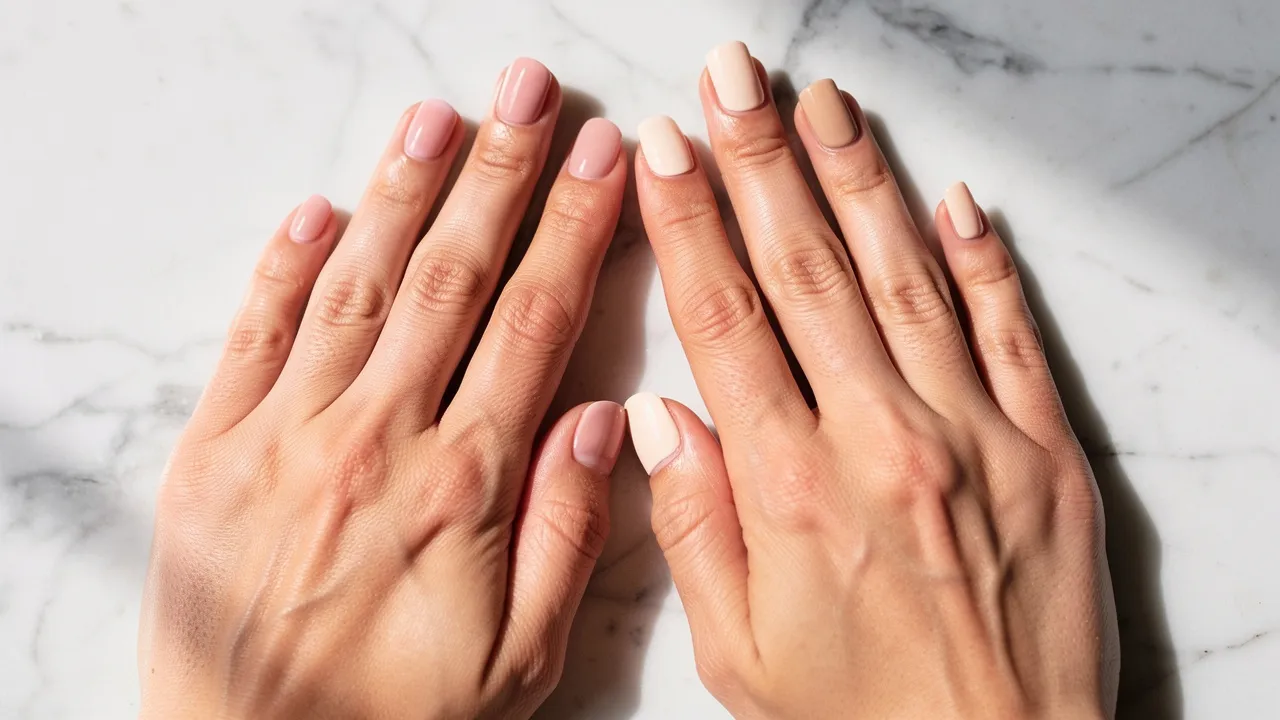
A nail tech leans over, smiles, and asks a simple question: gel or acrylic? For many people, that tiny moment turns into a quiet panic about acrylic vs gel nails. This choice shapes how nails look, how they feel during daily tasks, and how long they stay flawless before the next appointment.
Both options belong in professional salons. Gel and acrylic are not “good vs bad.” Each one has strong points and trade-offs in shine, strength, flexibility, removal, and even smell. On top of that, newer systems like Gel‑X, builder gel, and dip powder add even more choices to the mix and can make the difference between gel and acrylic nails feel confusing.
This guide walks through acrylic vs gel nails step by step. You will see how each one is made, how a salon applies it, how long it lasts, what it costs over time, how removal works, and which option can fit your nail health and lifestyle. With insight from the precision work done at Xpert Russian Manicure Salon, you will be able to walk into any salon chair and answer that “gel or acrylic nails” question with confidence.
What are gel nails and acrylic nails? understanding the basics
Before any talk about acrylic vs gel nails pros and cons, it helps to know what these products actually are. Both count as nail enhancements that sit on top of the natural nail to add strength, color, and sometimes length. The big difference lies in the material and the way it hardens.
Gel nails use a pre‑mixed, photo‑reactive gel polymer. A technician brushes a thin layer onto the nail plate, then places the hand under a UV or LED lamp. Light triggers a chemical reaction that hardens the gel. Gel manicures feel flexible and light, with a glassy, glossy finish that often looks like a perfected version of natural nails. Gel overlays go straight on your own length, while soft‑gel extension systems such as Gel‑X use full‑coverage gel tips for instant length. Most clients notice little to no smell during gel services.
Acrylic nails use a two‑part system: liquid monomer (usually EMA, ethyl methacrylate) and powder polymer. The technician touches the brush to the liquid, then to the powder. That move forms a small paste bead. The bead goes on the nail and hardens in the air through a chemical reaction, so no lamp is needed. Acrylic creates a firm, rigid structure that works very well for dramatic shapes, extra‑long extensions, and very hard use. The trade‑off is a clear chemical odor during application.
Here is a quick side‑by‑side look:
| Feature | Gel nails | Acrylic nails |
|---|---|---|
| Material | Pre‑mixed gel polymer | Liquid monomer + powder polymer |
| Curing | UV or LED lamp | Air‑cures |
| Finish | Very glossy, smooth, natural look | Matte before topcoat, can shine after polish |
| Feel | Light, flexible, moves with the natural nail | Firm, rigid, very strong |
| Odor | Minimal | Strong monomer smell during application |
Dip powder often enters this topic too, yet it is not the same as gel or classic acrylic. Dip uses a resin base and colored powder. It shares some chemistry with acrylic, but the application and removal differ. Builder gel and hard gel sit closer to gel nails; they have a thicker texture that allows structure and length without monomer. These modern options add more detail to the acrylic vs gel nails comparison, and later sections show how they relate to regular acrylic nails vs gel.
How gel and acrylic nails are applied
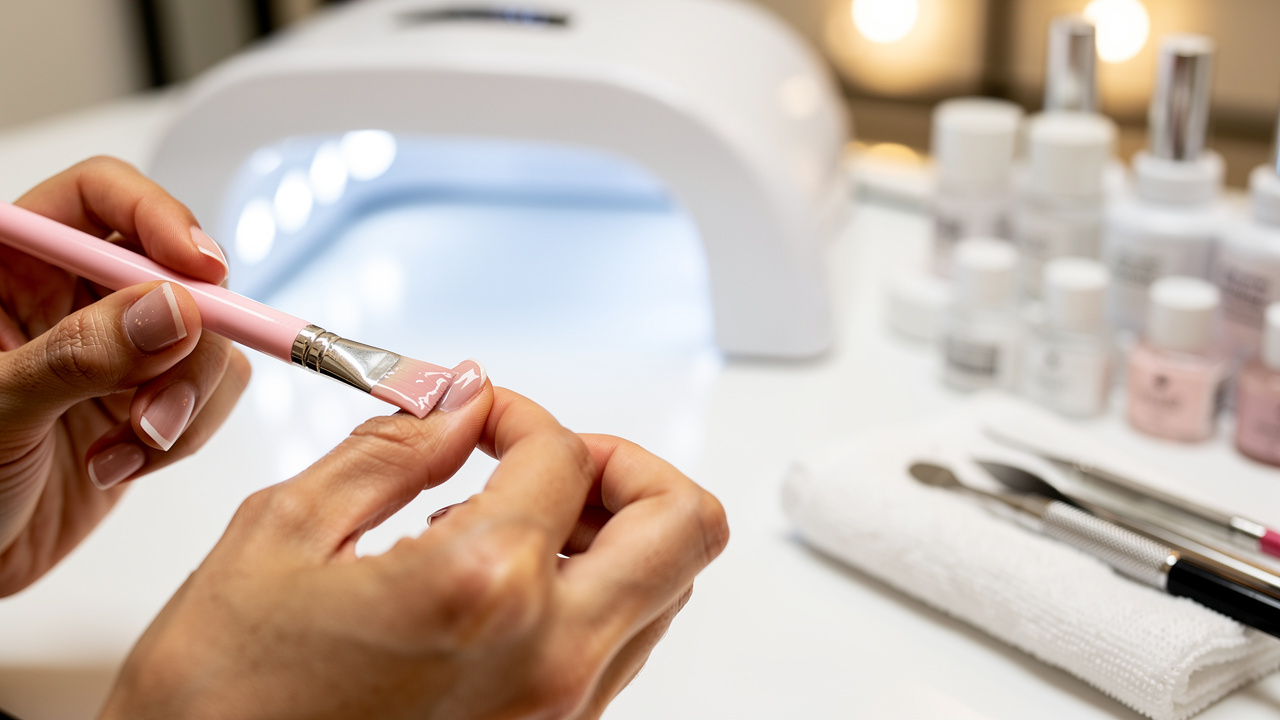
Understanding the service steps helps set clear expectations for timing, comfort, and results. No matter which system you choose, prep is the base of a lasting manicure. At a high‑level salon such as Xpert Russian Manicure Salon, that prep includes a Russian dry manicure, which means no water soak and very detailed cuticle work for a clean surface and strong bond.
Gel nail application
A gel manicure builds in layers, set under a lamp. The process might look simple from the client side, yet every step supports long wear.
A technician starts with nail prep. The free edge is shaped, the surface is lightly buffed to remove shine, and dust and oils are wiped away with a cleanser or alcohol. In a Russian manicure, the e‑file removes only dead cuticle from the plate while the living skin stays safe, which gives a cleaner line and far better adhesion.
A standard gel nail application usually follows these steps:
Base coat
A thin base coat is applied in a very even layer and cured under a UV or LED lamp for about half a minute. This base anchors the color and protects the nail.Color coats
Color follows in one or two thin layers. Each coat goes under the lamp so the gel cures fully. Heavy coats seem faster but tend to wrinkle or peel, so thin layers are the smarter choice.Topcoat
A topcoat finishes the look. This layer locks in color, adds the signature gel shine, and improves chip resistance. After the final cure, nails are dry right away with no smudging risk.
For soft‑gel extensions like Gel‑X, the tech first bonds full‑coverage tips in gel, cures them into place, then repeats the same color and top steps. No sculpting is required, which explains why many people see gel tips vs acrylic tips as a faster option.
Acrylic nail application
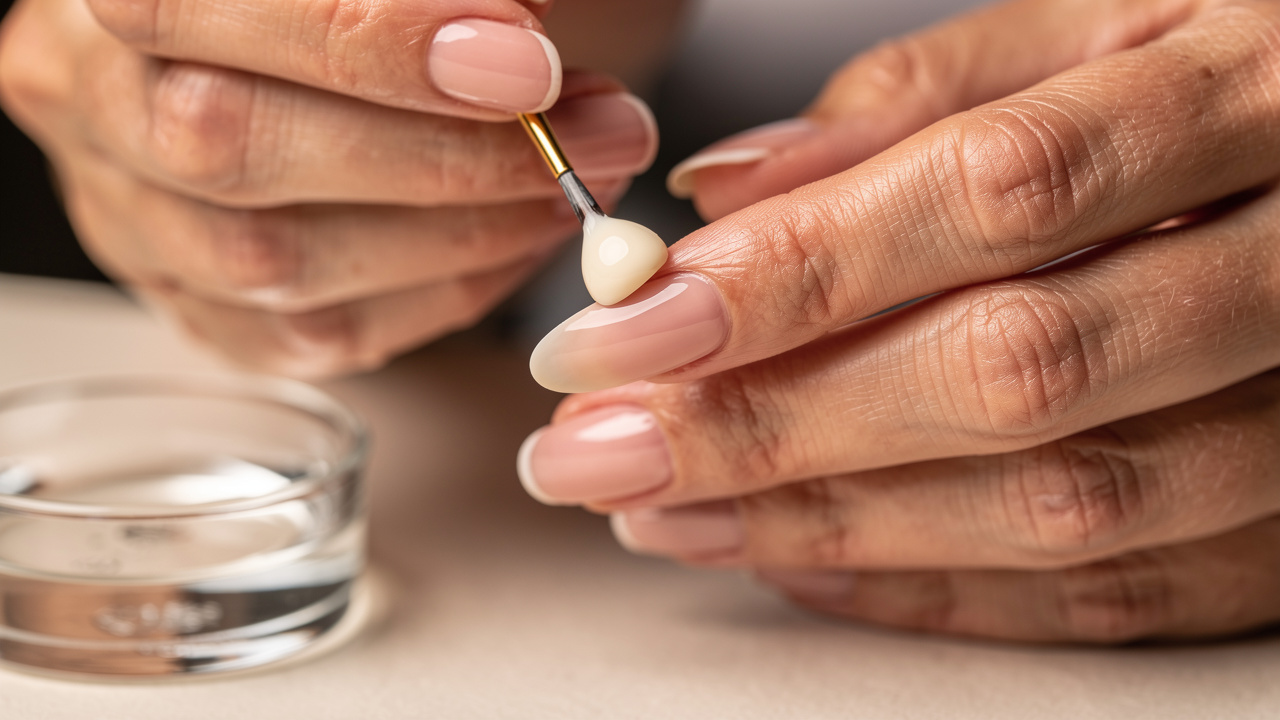
Acrylic application feels more like small‑scale sculpture. The product starts soft on the brush, then hardens in place, so the technician needs both speed and control.
Prep comes first here as well. The natural nail is shaped, gently buffed, and cleansed. A dehydrator and primer help remove surface moisture and support adhesion. If the client wants extra length, the technician adds a plastic tip or a form that extends past the free edge. At salons that follow high hygiene standards, tools and bits go through full disinfection between clients.
Then comes the acrylic mix:
Product pick‑up
The tech dips the brush in monomer and then lightly into the powder. That move creates a bead with a workable texture. Incorrect ratios lead to weak or chalky acrylic, so this step shows the tech’s skill level in a big way.Placement and shaping
The bead goes onto the nail, where the tech presses and smooths it into the chosen shape. This includes building an apex, the high point that gives strength and balance. Because acrylic hardens in the air, the tech must complete this stage before the product turns fully solid.Refining and color
Once the nails harden, the tech files and buffs them to refine the shape. Color can be regular polish or gel polish, plus a topcoat for shine.
A professional never dips a client’s nail into a shared powder jar, since that move spreads bacteria and ruins product hygiene.
Durability, longevity, and maintenance
Many people search “which lasts longer, gel or acrylic nails” and expect a simple winner. Real life is more nuanced. Both systems give far more wear than regular polish, yet their maintenance style and structure differ.
Typical wear times look like this:
Standard gel polish over natural nails: about two to three weeks before growth and small chips start to show.
Soft‑gel extensions (such as Gel‑X): about three to four weeks for most clients who treat their nails with some care. Many soft‑gel systems do not use classic fills; instead, the tech removes the set and applies a new one each visit.
Acrylic nails: about two to three weeks before a gap appears near the cuticle. Rather than remove the whole set, most clients book fills or infills.
During a fill, the tech:
Thins the old product.
Removes any lifted areas.
Prepares the new growth zone.
Adds fresh acrylic to rebalance the structure.
This style of maintenance makes acrylic cost‑friendly for long stretches of wear and is a big reason many view gel nails vs acrylic nails durability as a tie in total length of wear but different in upkeep.
Application quality matters more than product type. Poor prep, rushed cuticle work, or incorrect gel curing lead to lifting, no matter what the bottle claims. At Xpert Russian Manicure Salon, Russian dry prep dehydrates the plate without a water soak and removes all non‑living tissue that would block adhesion. With that kind of base plus correct gel or acrylic architecture, both systems often hold for three to five weeks with no lifting, chipping, or peeling.
Home care matters too. Daily cuticle oil (especially light options such as jojoba) helps keep the nail and product flexible. That flexibility reduces shattering and tiny cracks between appointments and supports both acrylic vs gel nails difference in long‑term comfort.
Acrylic vs gel nails price breakdown
Many clients want clarity on gel nails vs acrylic cost, not only at the first visit but across several months. Prices change by country, city, salon level, and design complexity, yet some patterns show up everywhere.
For a full set, both acrylic and gel usually fall in a similar range. Simple sets with modest length and a single color sit near the lower end, while very detailed work and extreme shapes move toward the higher end. Soft‑gel extensions such as Gel‑X often sit a bit higher than basic acrylic, since the tips and gels cost more per service. Any hand‑painted nail art, chrome, or complex design raises the total, no matter if the base is gel or acrylic.
Maintenance cost differs more clearly:
Acrylics: use fill appointments. A fill takes less product than a full set and often less time than a fresh sculpt, so salons usually charge less than the original acrylic set. Over months of constant wear, this makes acrylic nails vs gel nails price feel kinder on the wallet for many clients who like one shape and length.
Gel extensions: often require a full removal and reapplication every three to four weeks. That means you usually pay close to the full set price each time. Clients who like frequent changes still value this, since they gain a brand‑new look at every visit.
There is also the value of skill and hygiene. A higher‑ticket service in a precision salon such as Xpert Russian Manicure Salon often lasts longer, looks cleaner, and protects nail health better than a rushed low‑price service. So acrylic vs gel nails cost should include both the ticket price and how long each manicure stays photo‑ready.
Are gel nails safer than acrylic?
Search phrases like “acrylic nails vs gel nails, which is healthier” suggest that one system must be safe and the other harmful. The truth is more balanced. Neither gel nor acrylic ruins nails by default. Damage usually appears after poor technique, harsh removal, or low‑quality products.
Common problem triggers show up in both systems:
Over‑filing the natural nail during prep, which thins the plate and causes soreness or peeling.
Picking or peeling enhancements off at home, which strips layers of keratin and leaves the nail soft and weak.
Product that floods onto the skin and sidewalls, which can lead to allergies, redness, and long‑term sensitivity.
Gel nails have specific risk points. Many formulas use acrylate ingredients such as HEMA. If uncured gel sits on the skin repeatedly, the body can react with itching, rash, or swelling. Incomplete curing also hurts. A lamp that does not match the brand or a cure time that is too short leaves some gel partly uncured. That state raises the chance of allergies. Skilled techs apply thin, precise coats only on the plate and cure under a matched lamp for the full time.
For acrylic, the key safety detail is the monomer:
EMA monomer is standard and considered safe for salon use.
MMA monomer, which shows up in some discount products, is unsuitable for nails and banned in many places. It creates a very rigid surface that needs aggressive filing to remove and can bond so strongly that an impact tears the natural nail instead of the enhancement.
A quality salon always chooses EMA and keeps records of product brands to protect clients.
Removal also affects nail health. Gel nails removal vs acrylic removal look similar on the surface, yet acrylic often takes longer. A tech should thin the product, then use wraps or an acetone soak and gently push away softened product. At Xpert Russian Manicure Salon, techs protect the plate by stopping the file as soon as color and bulk come off, then allow acetone to do the rest. No prying, no painful scraping.
The best nail type for nail health is the one that fits your habits and is applied and removed by a trained, hygiene‑focused technician. Russian dry manicure technique helps here too. By working on dry skin with diamond bits, Xpert techs remove only dead cuticle and never cut the living eponychium, which keeps the nail’s natural seal intact and lowers the risk of infection for both acrylic and gel clients.
Gel or acrylic nails — which one is right for you?
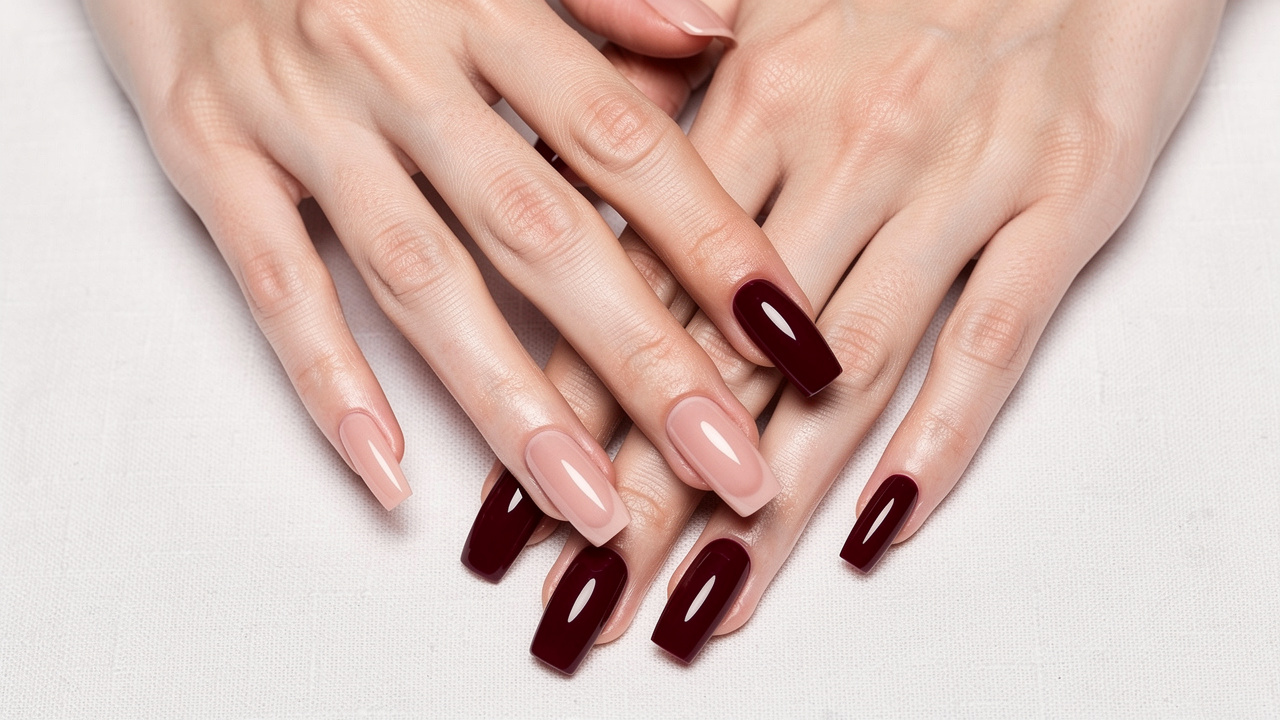
Once people understand acrylic vs gel nails difference in structure, feel, and cost, the next question is simple: what fits this lifestyle and taste? It helps to treat this as a match‑making process instead of a fight about acrylic nails vs gel nails which is better in general.
Gel nails suit some needs very well. Gel feels light and flexible on the hand, so people who dislike the stiff feel of acrylic often prefer it. The high‑gloss finish and thin profile give a “my nails but better” look that works in many work settings. Because soft‑gel systems and Gel‑X tips soak off and go on as whole sets, they shine for clients who like a new shape, fresh art style, or color at every visit. Gel services also have little to no smell, which makes the salon visit more pleasant for people who feel sensitive to fumes.
You might lean toward gel if you:
Prefer a thin, natural look with lots of shine.
Like to change length, shape, and nail art often.
Work in an office or setting where subtle nails are easier to wear.
Are sensitive to strong odors in the salon.
Acrylic nails suit a different set of needs. The rigid structure holds up better for clients who use their hands a lot, from constant typing to hands‑on trades. Acrylic gives techs more sculpting control, so dramatic shapes like stiletto, coffin, or extreme square feel stable and secure. People who want the same long shape all year and prefer a set schedule often like fills every two to three weeks. For nail biters or people with very soft nails, acrylic creates a hard shield that protects the plate and makes biting much harder.
You might lean toward acrylic if you:
Want very long or very sharp shapes.
Use your hands heavily at work or in hobbies.
Like a strong, solid feel on the nails.
Prefer fills instead of full soak‑off removal every visit.
Soft‑gel extension systems such as Gel‑X sit between gel tips vs acrylic. Gel‑X offers the length and structure of extensions with a very light feel and full soak‑off removal each visit. For many clients, this answers the “is Gel‑X better than acrylic” question with “it depends on goals.” Those who want quick application and easy removal enjoy Gel‑X. Those who want custom sculpted shapes or extreme length still lean toward acrylic. Builder gel and hard gel also give a middle path, with more structure than regular gel polish but no monomer.
In every case, salon quality matters more than category. Careful Russian‑style prep and correct product choice at a place like Xpert Russian Manicure Salon can turn both gel manicure vs acrylic extensions into long‑lasting, healthy options for your nails.
To close
By now the picture of acrylic vs gel nails looks much clearer. Gel offers a glossy, flexible coat that hugs the natural nail and works very well for people who want a light feel and frequent style changes. Acrylic offers a firm, sculpted structure that handles bold shapes and heavy daily use.
The main lesson is that product choice is only half of the story. Preparation, product quality, and removal habits decide how long nails last and how healthy the plate stays. With good prep, a balanced apex, and gentle removal, both acrylic and gel can support strong, smooth nails under the color.
Cost, lifestyle, work rules, and personal style should guide the choice. Someone who wants subtle office‑friendly nails may pick gel, while someone who loves long, sharp tips may stay loyal to acrylic. A consultation with a skilled nail tech can help match your nail goals to the best option and clear up any questions about acrylic vs gel nails pros and cons in your specific case.
Xpert Russian Manicure Salon focuses on this kind of detailed matching. With Russian dry manicure, advanced gel and acrylic architecture, and strict hygiene, the team offers both systems at a high level, so clients can choose based on taste instead of fear of damage.
FAQs about gel vs acrlyic nails
What is the difference between gel and acrylic nails?
Gel uses a pre‑mixed gel polymer that hardens under a UV or LED lamp and feels light and flexible with a very glossy finish. Acrylic uses a liquid‑and‑powder mix that air‑cures into a rigid, strong layer. Both belong to the main types of fake nails, but they differ in feel, smell, application, and maintenance style.
Which lasts longer, gel or acrylic nails?
Both systems can last two to four weeks, depending on prep quality and daily habits. Acrylic often stays on one set for longer because fills refresh the structure without full removal. Gel extensions usually need a new set at each visit. With advanced dry prep such as the Russian technique, both can hold for three to five weeks without lifting.
Is Gel‑X better than acrylic?
Gel‑X suits people who want fast application, a light feel, and soak‑off removal at each visit. Acrylic suits people who want custom sculpted shapes, very long nails, or a fill‑based acrylic vs gel manicure plan. Neither one is “better” in every case. The right pick depends on length goals, job demands, and how often you want to change your nails.
Are gel nails safer than acrylic?
Gel nails are not automatically safer than acrylic, and acrylic is not automatically harsher. Safety rests on proper prep, EMA monomer for acrylic, correct lamps for gel, clean tools, and gentle removal. With a trained technician who follows these standards, acrylic nails vs gel nails which is healthier becomes more about your skin history and lifestyle than the product itself.