

Russian Manicure Hard Gel for Longer-Lasting Nails
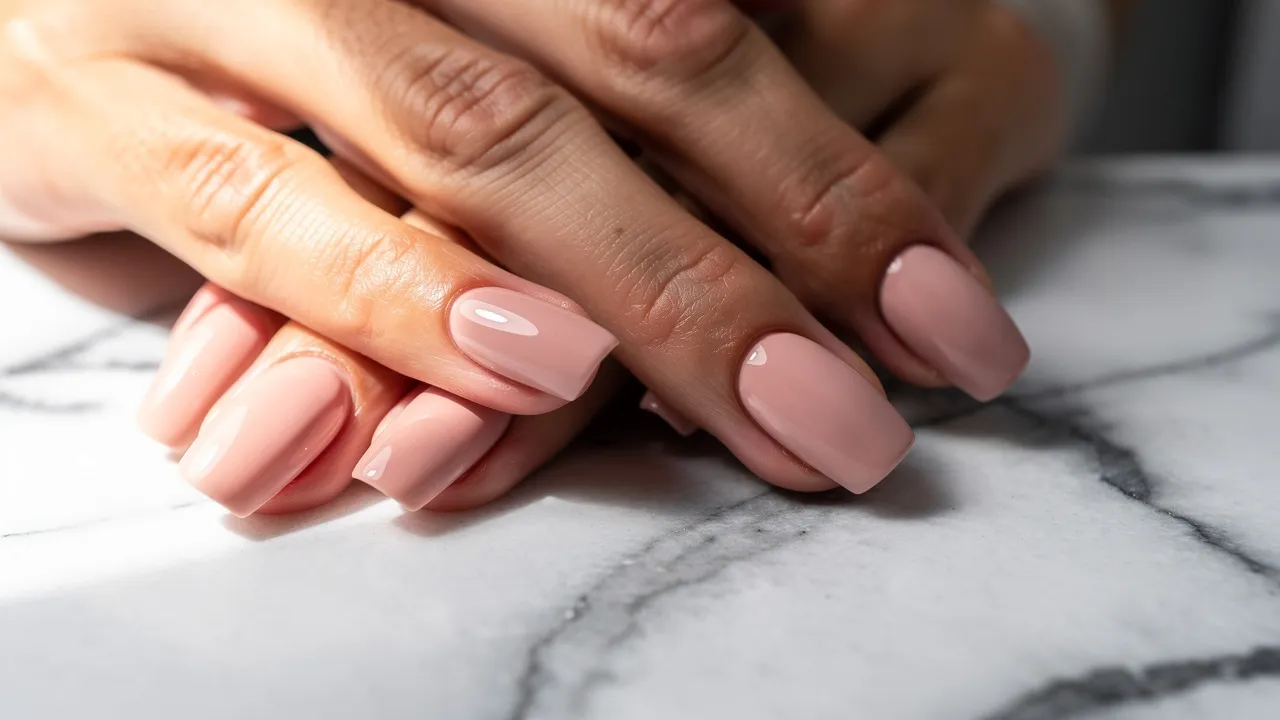
Short answer: Russian manicure hard gel combines dry nail preparation with hard (builder) gel for structure and adhesion. Wear time varies with the product, application and nail growth, so treat quoted figures as typical, not guaranteed.
Spending an hour at the salon, loving a shiny new gel set, then spotting chips and lifting by day five can feel discouraging. That is usually the moment many people start searching for something better and come across Russian manicure hard gel. It sounds technical, but the results speak for themselves, especially for anyone who needs a long‑lasting gel manicure that still looks polished at work and at dinner.
Russian manicure gel nails are not just regular gel with a fancy name. They use a dry, machine‑based prep method and a different type of product, called hard gel or builder gel. Together, these steps focus on structure and adhesion, so your nail gel can last weeks instead of days.
In this article, you see what can affect how long Russian manicure hard gel wears, and why product, preparation and maintenance matter more than the label alone. You learn how dry prep, detailed cuticle work, nail “architecture,” and aftercare all play a part. You also get clear questions you can use when you book with any salon, including specialists such as Xpert Russian Manicure Salon, so you can feel confident you are choosing a technique that is built to last.
What makes Russian manicure different from a regular gel manicure?
A Russian manicure, sometimes called a dry or e‑file manicure, keeps water away from the process. Your hands are not soaked. Instead, the technician uses a professional electric file with tiny diamond bits to refine the cuticle area and clean the nail plate. This Russian nail technique creates a perfectly smooth, dry surface for the product.
A regular gel manicure usually starts with a soak to soften skin and cuticles. The nail plate swells slightly with water, cuticles are trimmed more quickly, and soft gel polish is brushed on in thin layers. Removal happens in acetone wraps, which break down the soft gel. The focus is more on color than on structure or long‑term gel nail durability.
A simple comparison helps make the difference clear:
In a regular gel manicure, your nails are soaked in water, coated with soft gel polish, and removed with acetone wraps. The nail plate has absorbed water, so as it dries out again, the coating may be more likely to lift or chip for some clients. For many people this is fine, but anyone who is rough on their hands may see wear sooner.
In a Russian manicure hard gel service, everything stays dry from beginning to end, and the cuticle zone is cleaned with micro precision. Builder gel nails are then sculpted on this stable surface, and the product is filed off during maintenance instead of being soaked. The result can be a long-lasting nail manicure with a cleaner grow-out line, though how long it lasts still depends on the product and on maintenance.
Once you understand this difference, the contrast in Russian manicure vs regular gel wear time starts to make sense.
Why hard gel may last longer - four key factors
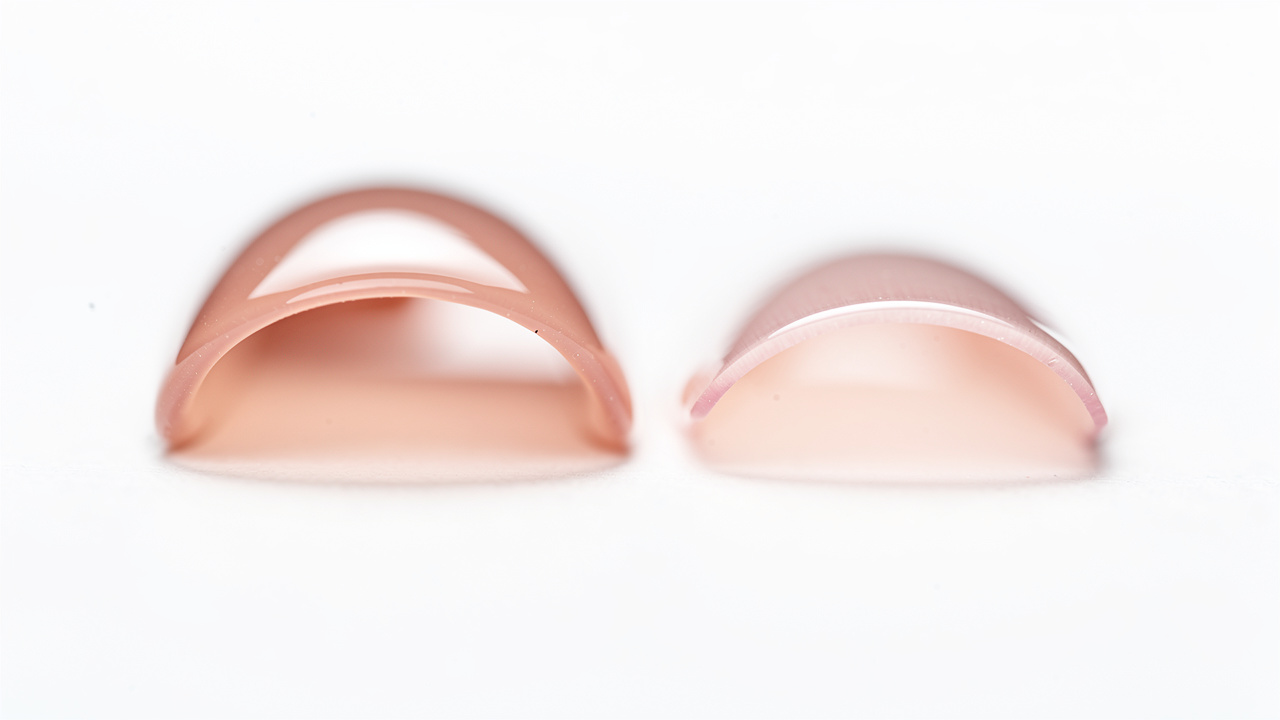
This service is not magic; it is science and skill working together. The method tackles several weak points of standard gel manicures at the same time. Dry prep keeps the nail plate stable, detailed cuticle work removes barriers, hard gel adds structure, and the way that structure is built spreads stress instead of letting it concentrate in one fragile spot.
Hard gel vs soft gel nails already show different behavior on the nail. Hard gel generally cures into a denser layer that is usually filed off during maintenance rather than soaked off, while some builder gels are soak-off formulas; the exact product instructions decide. Soft gel polish stays thinner and more flexible, which is nice for color but not as strong for length or high‑impact use. Salons that specialize in advanced services, such as Xpert Russian Manicure Salon, combine this stronger product with Russian manicure cuticle work and careful shaping to get maximum hard gel nails longevity.
The next three sections walk through the largest technical reasons this process gives a gel manicure that lasts longer. The fourth reason is the product itself: hard gel’s dense, non‑porous formula that behaves more like a clear shield than a thin layer of paint.
Careful preparation helps the product adhere as intended.
Dry preparation and the nail plate hydration problem
Your natural nail plate is full of tiny channels and spaces, so it soaks up water easily. During a classic manicure, a soak makes the nail swell a little, even if you cannot see it. If soft gel is applied on this swollen surface, the nail slowly shrinks back to normal as it dries out over the next several hours.
As the nail contracts, that once‑snug layer of gel no longer fits the same way. It starts to lift at the edges, especially near the cuticle and free edge, and chipping soon follows. The hard gel method avoids this by working on a dry, dehydrated nail plate. The technician prepares the surface with an e‑file and dehydrator so the keratin stays stable in size.
It is like painting a wall that is already dry instead of one that is still damp. Paint on a dry wall bonds more tightly and stays smooth, and Russian manicure gel nails behave the same way when prep is done dry from the beginning.
Micro-precise cuticle removal and product adhesion
In many standard manicures, a thin film of dead cuticle, called pterygium, is left behind on the nail plate. It is hard to see with the naked eye, which is why it often gets missed. Soft gel applied over this layer sticks to the dead skin rather than the nail itself, so as that tissue sheds, the gel peels with it. That is a common reason for gel nails lifting near the cuticle.
Russian manicure cuticle work uses tiny e‑file bits to lift and remove only the non‑living tissue from the nail and sidewalls. The goal is not to grind the nail, but to clean it so thoroughly that the keratin plate is fully exposed and smooth. When hard gel or builder gel nails go on top of this surface, the base coat can sit on a cleaner, more consistent surface, which may support adhesion when the product and curing method match.
Cleaner preparation can help the product adhere as intended, though hard gel is not guaranteed to outlast every soft gel service. It can support smoother regrowth and a neater look between appointments.
Architectural gel application — apex logic and structural integrity
Hard gel is not just brushed on like polish. It is built in layers to create a tiny, strong “bridge” over each nail. The highest point of that bridge, called the apex, is placed in a specific spot depending on the length and shape. For longer nails or hard gel nail extensions, the apex sits a bit further back toward the cuticle so it can carry more load.
This shape works like an arch in a building that carries weight away from a single weak point. When you tap your nails on a keyboard or accidentally catch one on a cabinet, the force travels along that curve instead of snapping the tip or cracking near the smile line. A proper lower arch keeps the profile slim, so hard gel overlay nails do not look bulky.
Creating this structure takes training and a good eye. Skilled technicians study how different nail types move and how hard gel application should change for almond, square, or coffin shapes. After you add in the dense, non‑porous nature of hard gel vs gel polish, you get a stronger structure that can resist everyday chips and breaks better than a thin layer of soft gel color alone, depending on the product and the client. All of these choices build the foundation for nail gel that lasts weeks.
The role of aftercare in extending hard gel nail longevity
Even the best hard gel set still lives in daily life with you. Over time, tiny amounts of solvent leave the cured gel, which can make it more brittle. Repeated impact from typing, lifting, and everyday chores can then cause small fractures, especially near stress points. So salon work is half of the story; home care shapes the rest of your hard gel nails longevity.
Jojoba oil is a simple tool that makes a big difference. Its molecules are small enough to travel into the top layer of cured gel, where it behaves as a plasticizer. That means it helps the gel stay slightly flexible instead of turning glass‑hard and fragile. It also supports the skin and cuticle area, which keeps the seal around your long‑lasting nail manicure more stable.
A few easy habits can extend the life of Russian manicure gel nails:
Place a small drop of pure Jojoba oil on each nail once a day, either in the morning or before bed. Massage it over the entire nail surface, along the cuticle line, and into the sidewalls. With steady use, the gel keeps a gentle bend instead of becoming stiff, which helps resist cracks from knocks and bumps.
Keep application consistent rather than random. Clients who apply oil most days often notice their hard gel vs gel polish sets stay glossy and flexible for the full wear time. Those who skip many days may see tiny chips sooner, even if the salon work is identical.
Treat your nails like polished tools, not hardware. Wearing gloves for heavy cleaning, avoiding opening cans with your nails, and not picking at labels helps your Russian manicure benefits last longer. Small choices like these pair with Jojoba oil to support gel manicure that lasts longer between fills.
Hard gel overlays vs. extensions — which lasts longer and why?
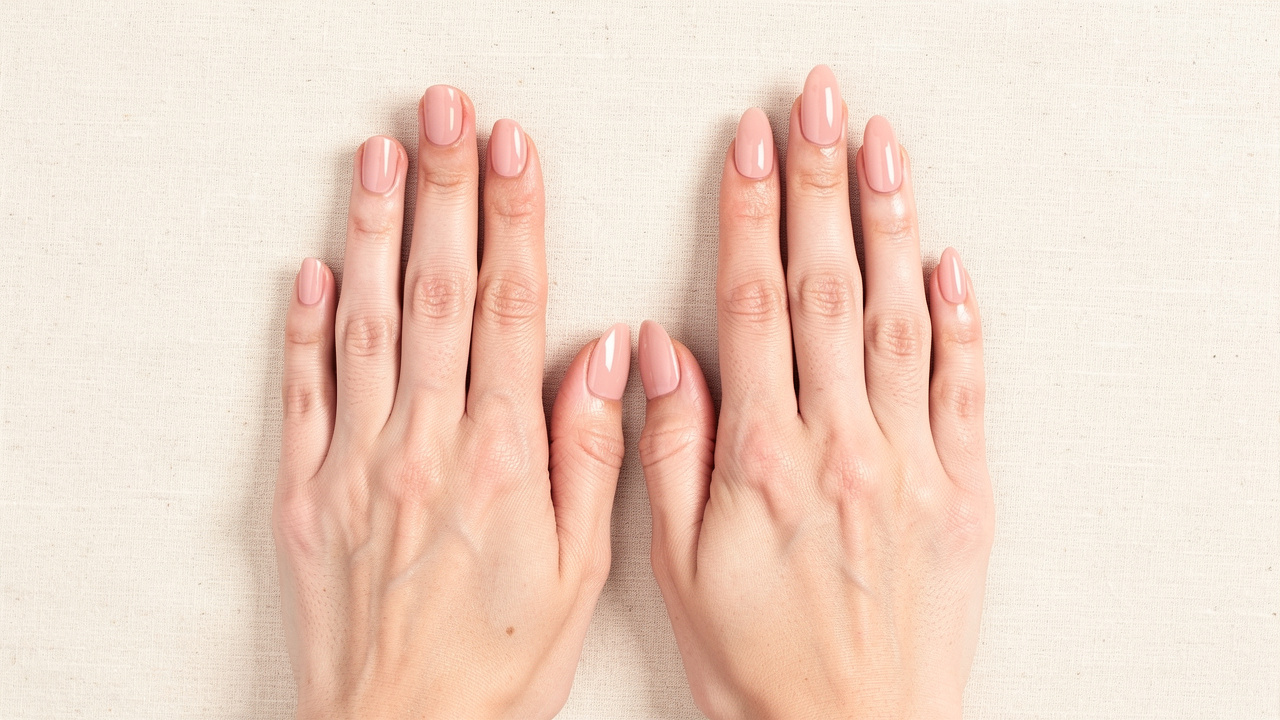
One common question is how long a hard gel overlay lasts compared with hard gel nail extensions. Both start with the same dry Russian preparation and careful product choice, so they share many strengths. The main difference is how much leverage is placed on each nail during daily tasks.
A hard gel overlay goes directly over your natural nails without adding length. Your own nail acts as a firm base, so the gel moves less and flex stress is lower. This makes overlays an excellent option for people who want a gel manicure that lasts longer without a dramatic change in length, especially for active or hands‑on jobs.
Hard gel extensions build length beyond the natural nail using a form or tip. The longer the extension, the more force is created at the stress zone if you bump the tip. With correct apex engineering and balanced sidewalls, extensions can last just as long as overlays, but they demand stronger skills from the technician. Poor structure here shows up as cracks at the smile line or full breaks.
In both services, hard gel, precise prep, and quality products are non‑negotiable foundations. Choosing overlay or extension simply adjusts how that strength is used for your style and daily routine.
What to look for in a Russian hard gel manicure service
A quick search for “Russian gel manicure near me” can bring up many options, but not every salon follows the full method. Some use the name while skipping proper dry prep or true hard gel, and that shortens wear time. Knowing what to ask helps you find a service that really delivers long‑lasting gel manicure results.
When you contact or visit a salon, consider:
Training and certification. Ask about education for the Russian nail technique. A strong answer sounds specific, with mention of advanced or specialized courses rather than only a basic license. Technicians who invest in this education are more likely to understand safe e‑file work and correct nail architecture.
Tool processing requirements depend on the tool, service, and local rules. Ask how reusable items are processed and which items are single-use, and check the relevant licensing authority for current requirements.
Consultation and removal plan. A careful technician starts by asking about your nail history, lifestyle, and desired length, then explains how fills work with filing instead of aggressive soaking. This shows they think about long‑term nail health as well as appearance.
Studios such as Xpert Russian Manicure Salon follow these standards as everyday practice, pairing Russian manicure hard gel with strict hygiene and detailed structure. You can use the same checklist to evaluate any provider and feel sure your investment in gel nails is going toward lasting results.
Hard gel, builder gel and gel polish compared
| Gel polish | Builder gel | Hard gel | |
|---|---|---|---|
| Thickness | Thin and flexible | Medium to thick, self-leveling | Thick and firm |
| Removal | Soak-off with acetone | Soak-off or file-off, depending on formula | Generally filed off |
| Strength | Low | Medium to high | High |
| Common use | Color and shine | Overlays and light structure | Structure, extensions and long, strong sets |
"Builder gel" is the broad category, and hard gel is one type of it. Check the exact product before choosing a removal method. See what builder gel nails are.
How often you will need a fill
Because nails keep growing, a hard gel set is usually refilled about every three to four weeks, and sooner if you grow quickly or work with your hands. A fill rebalances the apex and covers the grow-out gap, leaving a thin base layer of product on the nail. Waiting much longer puts extra stress on the base and raises the chance of lifting. For wear-time planning, read how long a Russian manicure lasts.
How hard gel is removed
Hard gel is generally filed off by a trained technician, not soaked off. Do not peel, pry or scrape it at home, which strips layers of the natural nail. If you cannot get to your technician, a salon can remove it safely. Some builder gels do soak off, so follow the exact product instructions. See how to remove builder gel.
When to see a doctor instead of rebooking
If a lifted edge has trapped water and the nail looks green or black beneath it, or if the nail is painful, red or swollen, see a doctor before putting product back on.
Conclusion
Russian manicure hard gel lasts longer than regular gel because each step supports strength and adhesion. Dry preparation keeps the nail plate stable instead of swelling and shrinking. Micro‑precise cuticle-area preparation can give the product a cleaner surface to sit on, which may reduce lifting for some clients.
Architectural apex placement turns each nail into a small, well‑designed arch that spreads daily impact across the surface. Consistent aftercare, especially Jojoba oil, keeps the gel slightly flexible so it resists cracking during weeks of use. Here, longevity is a technical outcome built into every layer.
Now you know what makes a Russian manicure gel nails service different, how long a Russian manicure usually lasts in real life, and which questions to ask a technician. With that knowledge, you can choose a Russian manicure vs regular gel service that gives the hard gel nails longevity you want.
FAQs
How long does a Russian manicure with hard gel actually last?
For most people, a hard gel set lasts a variable amount of time before a fill is needed, depending on the product, nail growth and daily habits. Soft gel manicures may show wear sooner, but this is not a fixed rule. Actual wear time depends on prep quality, nail length, daily habits, and how fast your nails grow. Good aftercare may help a manicure look fresher for longer, but no exact number of weeks is guaranteed.
Is hard gel the same as builder gel?
Builder gel is a broad category of thicker UV or LED cured gels used for strength, shape and sometimes length. Some are file-off (often called hard gel) and some are soak-off, so the exact product matters; both differ from thin gel polish, which is designed to soak off more easily.
Can Russian manicure hard gel damage your natural nails?
When done by a trained, careful technician, hard gel can be used without damaging the natural nail for many clients when it is applied and removed as the product instructions require. The fill process leaves a thin base layer on the nail and avoids aggressive acetone soaking, which lowers the risk of thinning. Damage usually comes from unqualified work, such as filing too hard on the nail plate or using the e‑file incorrectly around living tissue.
What is the difference between hard gel and gel polish for longevity?
Gel polish is a soft gel that stays thin and flexible, removes with acetone, and commonly lasts one to two weeks. Hard gel generally cures denser and is often filed during maintenance rather than soaked off. Exact wear time depends on the product and the client, so treat any single number as a rough guide, not a promise. Combined with Russian manicure techniques, hard gel vs gel polish gives stronger structure, better gel nail durability, and less lifting over time.
Can you soak off hard gel?
Most hard gels are designed to be filed off, not soaked. Some builder gels are soak-off, so the product matters. A professional can identify it and follow the maker's instructions.
How often do I need a fill with Russian manicure hard gel?
Commonly every three to four weeks, depending on how fast your nails grow and how hard your hands work.
Related guides
More in this topic: Russian Manicure guides.