

What to Use to Remove Acrylic Nails Safely
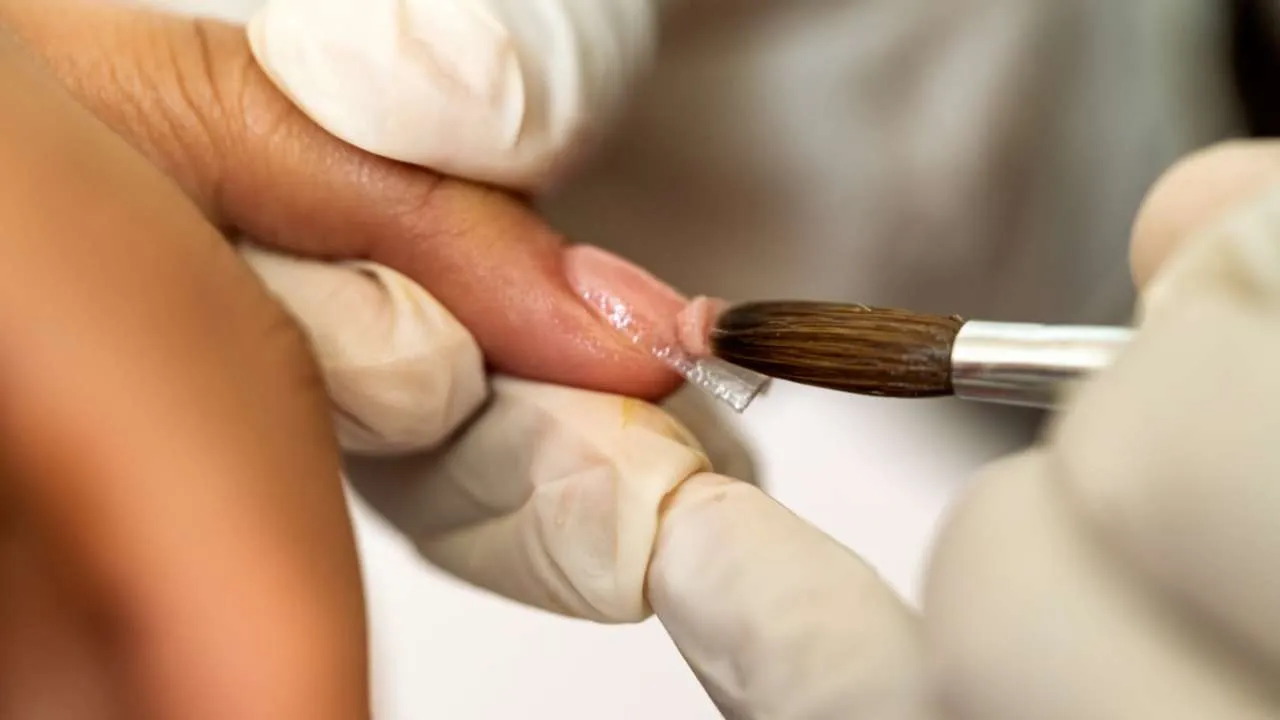
Think about the last time you tried to peel off a label from a glass jar. You probably scraped at it with your fingernail, only to end up with a sticky mess and a sore nail bed. Removing acrylic nails without the right tools works exactly the same way, except the "label" is bonded to your natural nail with industrial-strength polymer, and the damage can last for months.
The truth is, most nail damage doesn't happen during the weeks you wear acrylics. It happens in the 30 minutes you spend trying to remove them. When you force, pry, or pick at acrylic extensions, you're not just removing product, you're ripping away the top layers of your natural keratin plate. What's left behind is a thin, sensitive nail that bends like paper and takes weeks to recover.
This guide walks you through the professional-grade tools and techniques that protect your natural nails during removal. You'll learn exactly what to use to dissolve acrylic safely, how to set up a proper soaking station at home, and when to recognize that professional intervention is the smarter choice. By the end, you'll understand why patience and the right supplies make all the difference between healthy nails and a recovery period that stretches into next month.
Essential tools and materials for safe acrylic nail removal
The difference between a clean removal and a damaged nail plate comes down to having the correct supplies before you start. Using household substitutes or skipping protective steps leads to the mechanical trauma that leaves nails thin, peeling, and painful for weeks.
100% pure acetone is the only chemical strong enough to break down the cross-linked polymer chains in acrylic. Standard nail polish removers are diluted with moisturizers and conditioners that make them gentler on natural nails, but they simply don't have the solvent strength needed for acrylic dissolution. You'll find pure acetone in the paint thinner section of hardware stores or in the beauty supply aisle labeled specifically for artificial nail removal.
"The key to safe acrylic removal isn't speed, it's patience and the right solvent. Pure acetone is non-negotiable." , Jessica Miller a Certified nail tech
High-grit nail files and buffers in the 100/180 grit range are necessary to break through the shiny topcoat that seals the acrylic. This glossy layer is non-porous, which means acetone can't penetrate it. Filing away this seal is the first critical step, without it, you could soak for hours without progress. A coarse file removes this barrier quickly without excessive pressure on the natural nail underneath.
Cotton balls or pads and aluminum foil form the foundation of the wrap method. Cotton holds the acetone against the nail surface, while foil squares (cut to approximately 3x3 inches) trap your body heat and prevent the acetone from evaporating. This concentrated contact accelerates the chemical breakdown significantly compared to open-air soaking.
Protective barrier products like petroleum jelly or high-quality cuticle oil shield the skin surrounding your nails from acetone's dehydrating effects. Acetone is a powerful desiccant that strips moisture from any surface it touches. Applying a thin layer to your cuticles, sidewalls, and fingertip pads before soaking prevents the dry, cracked skin that often accompanies DIY removal.
Orange wood sticks or stainless steel cuticle pushers serve as your removal tools once the acrylic softens. These allow you to gently nudge the gummy, dissolved product away from the nail plate without applying the scraping pressure that damages the keratin layers. The key word here is nudge, if you feel resistance, the acrylic needs more soaking time.
Glass soaking bowls are essential if you're using a direct soak method rather than wraps. Acetone is a strong solvent that melts many types of plastic, including disposable cups and some food storage containers. Heavy glass bowls are chemically inert and won't degrade during the 20 to 30 minutes of contact time.
An optional electric file with a coarse carbide bit can reduce removal time significantly by shaving away 80 to 90 percent of the acrylic bulk before you begin soaking. This technique requires skill and a light touch, filing too deeply damages the natural nail. If you're not confident with an e-file, stick to hand filing the topcoat only and let acetone do the heavy lifting.
Having these professional-grade materials ready before you start prevents the common mistake of improvising mid-process. When you're 15 minutes into a soak and realize you don't have foil, the temptation to pry or force the half-softened acrylic becomes overwhelming. That's when damage happens.
What you'll need for safe removal:
100% pure acetone (not regular nail polish remover)
Coarse nail file (100/180 grit)
Cotton balls or pads
Aluminum foil squares (3x3 inches)
Petroleum jelly or cuticle oil
Orange wood stick or metal cuticle pusher
Glass soaking bowls
Acrylic nail clippers
Professional acetone soaking methods for acrylic removal
The two primary techniques for dissolving acrylic both rely on acetone, but they differ in how they apply heat to speed up the chemical reaction. Heat increases the kinetic energy of solvent molecules, allowing them to break down polymer bonds faster than cold acetone ever could.
The foil wrap method
This technique is popular for at-home removal because it allows you to move around during the soaking process rather than sitting with your hands submerged in bowls.
Start by filing away the shiny topcoat using your coarse-grit file. Work in one direction across the entire nail surface until it looks matte and dull. Next, use acrylic clippers to trim away excess length, cutting as close to your natural free edge as comfortable without nipping the skin underneath.
Before you apply acetone, protect your skin by dabbing petroleum jelly around the cuticles and along the sidewalls of each finger. This creates a moisture barrier that prevents the acetone from drying out the delicate skin surrounding the nail.
Saturate a cotton pad with 100% pure acetone, don't just dampen it; the cotton should be dripping. Place the soaked pad directly over the filed acrylic surface, then wrap the entire fingertip tightly with a square of aluminum foil. The foil should be snug enough that the cotton stays pressed against the nail without sliding around.
Allow 20 to 30 minutes for the acetone to penetrate through the acrylic layers. During this time, the foil traps your natural body heat, which warms the acetone and accelerates the breakdown process. You'll know the acrylic is ready when you unwrap the foil and see that the product has a soft, crumbly texture.
Use an orange wood stick to gently scrape away the softened material. It should slide off with minimal pressure. If you encounter any resistance or feel like you're prying, stop immediately and re-wrap that nail for another 5 to 10 minutes. Forcing removal at this stage is what causes the thin, damaged nails that take months to recover.
The double-bowl heat method
This thermal-enhanced approach reduces total removal time from an hour down to approximately 20 minutes by maintaining consistent warmth throughout the soaking process.
Fill a large bowl with warm water, not boiling, but hot enough that it's comfortable to touch. Place a smaller glass bowl containing your acetone inside the larger bowl, creating a water bath that gently heats the solvent. The acetone should feel warm but not hot when you test it with your finger.
An alternative setup uses a heavy-duty Ziploc bag. Place a paper towel soaked in acetone inside the bag, then submerge the sealed bag in the bowl of warm water. Insert your hand into the bag and rub your nails against the acetone-soaked paper towel. This friction-assisted method combines heat and mechanical action for faster results.
Critical safety warning: Acetone is highly flammable. Never microwave it, heat it on a stovetop, or use it near open flames or sparks. The warm water bath method is safe because the acetone never comes into direct contact with a heat source.
Soak your fingertips directly in the warmed acetone for 20 to 30 minutes. The increased temperature speeds up the molecular breakdown of the acrylic polymer chains, turning the hard product into a soft, gel-like consistency much faster than cold acetone could achieve. The science here is straightforward, heat provides the energy needed for the solvent molecules to work more efficiently.
When you remove your fingers from the soak, the acrylic should look swollen and feel gummy to the touch. Use your wooden stick or metal pusher to gently slide the softened material off the nail plate. If any areas remain hard or resistant, return those fingers to the warm acetone for an additional 5 to 10 minutes rather than forcing the removal.
How Xpert Russian Manicure Salon removes acrylic nails professionally
At Xpert Russian Manicure Salon, acrylic removal is treated as a precision service that protects the integrity of your natural nail while preparing it for future enhancements or a period of recovery.
The process begins with e-file bulk reduction, where our technicians use a coarse carbide or typhoon bit to carefully shave away 80 to 90 percent of the acrylic's thickness. This isn't aggressive filing, it's controlled reduction that stops as soon as the color and bulk are removed, leaving only a paper-thin layer of product on the nail. This technique requires the advanced training that comes with Russian manicure expertise, where the ability to distinguish between dead product and living nail tissue is developed through hundreds of hours of practice.
Once the bulk is reduced, we move to controlled acetone soaking. Your nails are either placed in glass bowls filled with 100% pure cosmetic acetone or wrapped individually in aluminum foil with acetone-soaked cotton pads. The soak lasts 15 to 30 minutes, depending on the thickness of the remaining product and the specific acrylic formula that was originally applied. Because we've already removed most of the material with the e-file, the acetone exposure time is significantly shorter than traditional at-home methods.
Gentle product removal follows the soak. When the remaining acrylic reaches a gummy, gel-like consistency, our technicians use a wooden manicure stick or a metal pusher to gently slide the softened material off the nail plate. There's no prying, scraping, or forcing. If any section resists, we return that nail to the acetone rather than risk damaging the natural keratin underneath.
This damage-free philosophy is central to how we approach removal. The e-file work stops before we reach the natural nail, and the acetone completes the process chemically rather than mechanically. This prevents the thinning, sensitivity, and "paper nail" effect that happens when technicians file too deeply or clients try to peel off acrylics at home.
The precision and control that defines Russian manicure technique translates directly to removal services. Our technicians can identify exactly where the acrylic ends and the natural nail begins, even when working at high speeds with an e-file. This level of accuracy means we remove only what needs to be removed, leaving your natural nail plate intact and healthy.
By filing away the majority of the product before soaking, we achieve minimized acetone exposure. Your skin and nails spend less time in contact with the drying solvent, which means less dehydration and faster recovery. This is particularly important for clients with sensitive skin or those who plan to return to enhancements within a week or two.
After removal, we offer a curated selection of post-removal nail care products including professional-grade cuticle oils rich in Vitamin E and jojoba oil. These aren't optional add-ons, they're essential tools for restoring the moisture balance that acetone temporarily disrupts. We recommend daily application for at least a week following removal to support healthy nail growth and prevent brittleness.
Our holistic nail health focus means we view removal as part of a larger care cycle, not an isolated service. Healthy natural nails are the foundation for any future enhancement, whether that's another set of acrylics, a structured gel overlay, or the precision cuticle work of a Russian manicure. Protecting your nails during removal is an investment in the quality and longevity of every service that follows.
Post-removal nail restoration and care
The 24 to 48 hours following acrylic removal are when your nails are most vulnerable. The acetone has stripped away natural oils, and the nail plate is temporarily more porous than usual. This is the critical window for restoration.
Immediate hydration therapy begins the moment you finish removal. Wash your hands thoroughly with a gentle, moisturizing soap to remove all acetone residue, then immediately apply a high-potency cuticle oil. Look for formulas containing Vitamin E, which supports cellular repair, or jojoba oil, which closely mimics the natural sebum your skin produces. Massage the oil into the nail plate, cuticles, and surrounding skin until it's fully absorbed. Repeat this process three to four times on the first day.
Keratin support treatments provide a temporary protective shield while your nails regain their natural strength. Nail strengtheners that contain hydrolyzed keratin or silk proteins create a flexible barrier that prevents bending and splitting during the recovery period. Apply these treatments as a base coat under regular polish or wear them alone for a natural look. Avoid formulas with formaldehyde or toluene, which can cause additional drying.
"Nail recovery isn't about quick fixes. It's about consistent daily care and giving your nails time to rebuild their natural strength." , Sarah Coleman, Certified Master Pedicurist
A recovery period recommendation of at least one week between removing acrylics and applying new enhancements gives your nails time to breathe and rehydrate. During this week, your nail plate firms up, the moisture balance stabilizes, and any microscopic damage from the removal process has time to grow out. Rushing back into enhancements on compromised nails leads to poor adhesion, lifting, and a cycle of damage that becomes progressively harder to break.
The most common mistake during recovery is over-buffing. When you see tiny bits of residual acrylic on the nail surface after removal, the instinct is to file them away immediately. Resist this urge. Aggressive buffing at this stage thins the already-sensitive nail plate even further. Instead, use a high-grit buffer (220 or higher) with feather-light pressure, or simply allow the microscopic residue to wear off naturally over 24 to 48 hours as you wash your hands and go about daily activities.
Daily maintenance checklist for nail recovery:
Apply cuticle oil morning and night (minimum)
Wear gloves during cleaning or dishwashing
Avoid prolonged water exposure
Use gentle, moisturizing hand soap
Apply nail strengthener with keratin or silk proteins
Avoid buffing or filing for the first week
Daily maintenance during the recovery week should include consistent cuticle oil application, morning and night at minimum, and protection from excessive water exposure. Wear gloves when washing dishes, cleaning, or doing any task that involves prolonged contact with water or harsh chemicals. Water causes the nail plate to expand and contract repeatedly, which weakens the keratin structure and leads to peeling.
This aftercare phase isn't optional if you want healthy nails long-term. The difference between nails that recover quickly and nails that remain thin and brittle for months comes down to the care you provide in this first week.
Summary
Safe acrylic removal comes down to three non-negotiables: 100% pure acetone, adequate soaking time, and the patience to let chemistry do the work instead of forcing mechanical removal. When you have the right tools, protective barriers, proper files, cotton and foil, and glass bowls, the process protects your natural nail plate rather than damaging it.
The techniques outlined here, from the foil wrap method to the thermal-enhanced double-bowl soak, work because they prioritize gentle dissolution over aggressive scraping. Proper removal technique matters just as much as proper application when it comes to maintaining nail health over the long term.
Professional removal becomes the safer choice when you're dealing with lifting that has trapped moisture, acrylics applied with MMA-based products that resist standard acetone, or natural nails that are already compromised and thin. In these situations, the precision of e-file bulk reduction combined with controlled acetone exposure minimizes further damage and sets the foundation for healthy regrowth.
For current appointment and service details at Xpert Russian Manicure Salon, contact the business directly. This article does not verify the salon’s equipment, staff credentials, or procedures.
FAQs about what to use to remove acrylic nails
Can I remove acrylic nails without acetone?
A warm soapy water soak can work as an alternative, though it requires significantly more time and patience. Mix warm water with a mild, grease-cutting dish soap and soak your nails for 30 to 40 minutes. This method loosens the adhesive bond between the acrylic and your natural nail, and it's most effective when the acrylics are already lifting at the edges. The limitation is that this technique may not work for all acrylic brands or formulas, particularly those with stronger bonding agents. If the acrylic doesn't slide off easily after soaking, never force or pry it, this causes the same damage you're trying to avoid.
How long should I soak acrylic nails in acetone?
Standard soaking time with the foil wrap method is 20 to 30 minutes. If you're using the double-bowl warm water method to heat the acetone, you can reduce this to 15 to 20 minutes. The acrylic is ready for removal when it looks swollen and feels soft or crumbly to the touch, with a consistency similar to thick gel. If you unwrap your nails and encounter resistance when trying to scrape away the product, re-wrap for an additional 5 to 10 minutes rather than forcing it. Patience during this phase prevents the nail plate damage that takes months to repair.
Will removing acrylic nails damage my natural nails?
Damage occurs from improper technique, specifically prying, forcing, or over-filing, not from the removal process itself when done correctly. Proper removal with adequate soaking time and gentle scraping preserves the integrity of your nail plate completely. Acetone does temporarily dehydrate the nail and surrounding skin, but this is a surface effect that reverses within days when you follow proper aftercare. The key is allowing the chemical dissolution to complete fully before attempting to remove any product. Post-removal hydration with cuticle oil and strengthening treatments restore natural nail health quickly, typically within a week of consistent care.
Can I reuse acetone for removing multiple sets of acrylic nails?
Acetone becomes saturated with dissolved acrylic polymer after a single use, which significantly reduces its effectiveness for future removals. Reusing weakened acetone means you'll need to soak much longer to achieve the same softening effect, which increases your skin's exposure to the drying effects of the solvent. For best results and efficient removal, use fresh 100% pure acetone for each session. After use, dispose of acetone-soaked cotton and used solvent according to your local hazardous waste regulations, many municipalities have specific guidelines for chemical disposal that prevent environmental contamination.