

Do Gel Nails Damage Your Nails?
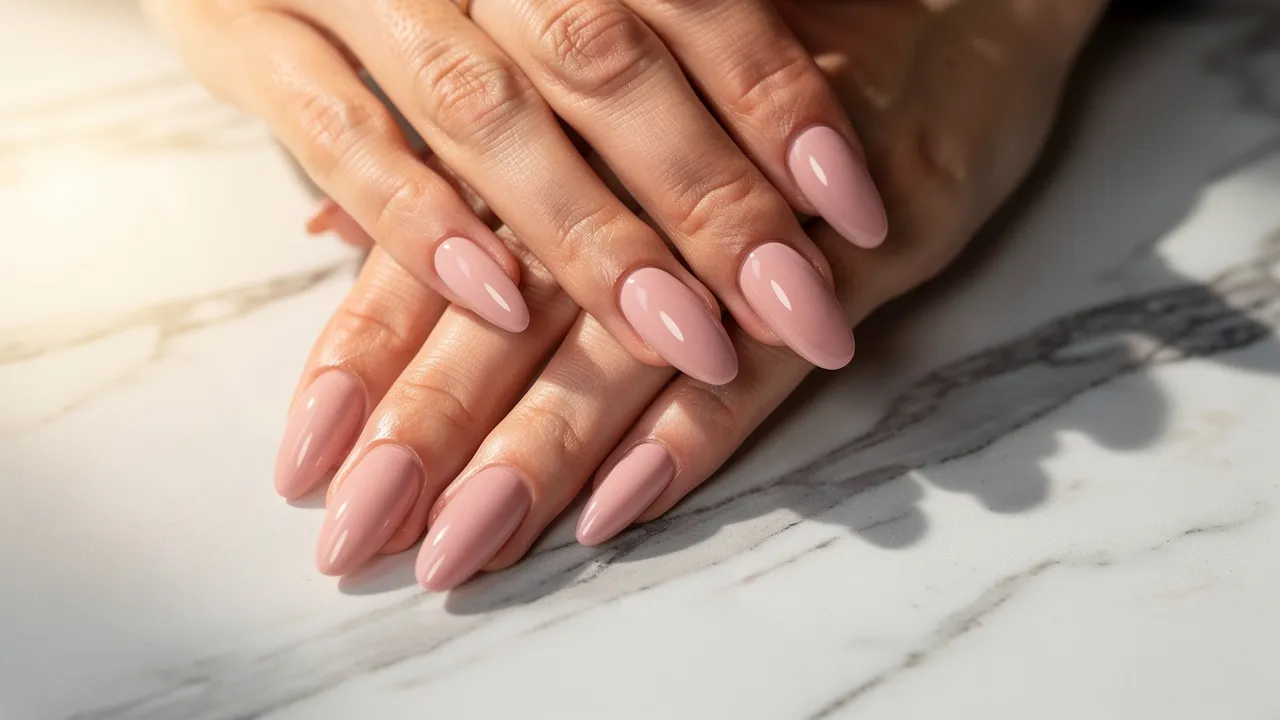
Short answer: Gel polish itself does not usually damage healthy nails. Most damage comes from peeling gel off, heavy filing, long acetone soaks and cutting live skin.
General information, not medical advice. If you have pain, swelling, redness, drainage or an ongoing skin or nail change, see a doctor or dermatologist.
Gel manicures can feel like magic: the shine stays, the color does not chip, and nails look polished for weeks. Then the polish comes off and nails can look thin, bendy or sore. Is the gel to blame?
Many people notice nails that feel thin or sore after a few cycles of gel and assume the product is the problem. That worry makes sense, especially for anyone who already has fragile nails or skin that reacts easily.
The truth sits somewhere in the middle. In professional hands, gel polish sits on top of the nail plate and can even protect it from daily bumps. Damage usually appears when application, removal, and aftercare are rushed or done with poor technique. So the real question is less whether gel damages nails and more how the gel is handled.
In this article, you will see:
what gel actually does to your nail structure
why some people feel that gel polish ruins nails
how to keep gel nails nail health strong
how the Russian manicure method at Xpert Russian Manicure Salon is built to protect natural nails while still giving long lasting color
What gel polish actually does to your nails
To judge the risk, it helps to know what is sitting on the nail. Gel polish is a special formula that cures under a UV or LED lamp. The liquid contains light‑reactive ingredients that link together under the lamp, hardening in about one minute per coat into a smooth, solid layer.
A typical gel manicure uses:
a base coat
one or two thin layers of color
a glossy top coat
Once cured, the gel forms a hard shell that grips the surface of the natural nail plate. While the gel stays on, nails often feel stronger and less likely to chip, since daily stress hits the gel instead of the bare nail. For people who ask what does gel polish do to your nails, this protective shield is the main benefit.
Under that shell sits your natural nail plate, made mostly of keratin stacked in flat layers. When a trained technician prepares the nail gently and keeps the gel layers thin, the product rests on top of those layers rather than soaking in. In that case, gel does not change the nail from the inside. Problems that make people say gel polish ruins nails usually start with:
how the surface is filed
how the product is removed
how the skin around the nail is treated
The curing lamp is another reason people worry and search what does UV gel do to your nails. Both UV and LED lamps use UVA light to set the polish. The exposure is brief, but it adds to the sunlight your hands already see during daily life. Many dermatologists describe the risk as low yet not zero. A smart habit is to apply a broad spectrum mineral sunscreen with at least SPF 30 on your hands before each gel service, or to wear fingerless UV gloves so skin stays protected.
Some people also react to certain ingredients in gel systems. Acrylates, methacrylates, and HEMA can trigger redness or itching in those with allergies. Another ingredient, TPO, has raised concerns in parts of the world, and many brands now offer HEMA free and TPO free lines. If your skin is sensitive and you worry that gel nail polish harms your nails or surrounding skin, ask for cleaner formulas that avoid these triggers and watch how your skin responds.
The real causes of gel nail damage
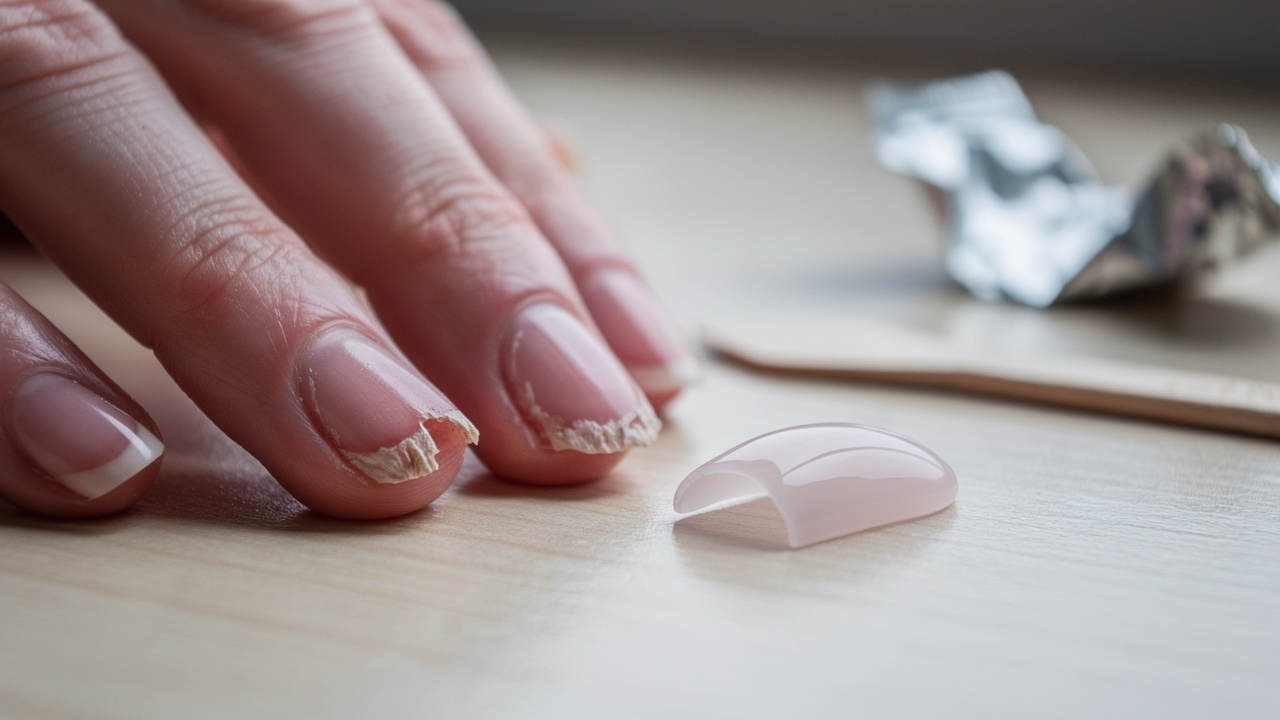
So why does gel ruin your nails for some people yet works well for others? The main reasons have less to do with the product itself and more to do with habits and technique. When people blame the gel itself, they often describe damage that comes from rough removal or rushed prep.
The most common causes of damage include:
Improper removal
Peeling or picking at gel that has started to lift feels tempting, yet it tears away layers of keratin with the color. After a few rounds of this, nails look thin, sore, and flaky, which leads many to believe that gels damage your nails by nature. In reality, the peeling habit is what hurts your nails, not the cured color alone.Heavy hand filing
Some technicians press hard with an e‑file on the natural nail plate or use very coarse files. Each pass removes more keratin and, over time, the plate becomes too thin to support product well. Clients then see more breakage and blame the gel without realizing that a softer filing style would give a very different result.Harsh acetone soaks
Acetone is the solvent that breaks down cured gel, but long soaks dry out the nail and cuticle area. Instead of soaking your fingers in a bowl, a safer at‑home method is to:Lightly rough the shiny top coatPlace acetone‑soaked cotton only on the nailWrap in foil for about ten minutesGently nudge the softened gel with a wooden stick
If it does not move, rewrap rather than scrape. This kind of care keeps acetone from drying out the nail more than it has to.
Wet prep and water soaking
Traditional manicures often soak hands in water, which makes the nail plate swell. If gel goes on while the nail is puffed up, it can lift as the nail dries and shrinks. That lifting lets water sneak under the product, which raises the risk of green stains and infection. Dry prep, which keeps the nail in its natural state, supports smoother wear and better gel nails nail health.Aggressive cuticle work
Cutting the living eponychium breaks the natural seal that protects the new nail as it grows. At the same time, leaving dead cuticle stuck to the plate prevents a tight bond and leads to pockets where moisture collects. This mix of broken skin and trapped water is a big reason some clients feel that gel polish damages nails.No breaks between sets
Constant back‑to‑back gel sets without a pause can dry the plate and skin more than necessary. A short rest period of one to two weeks between sets gives the nail plate time to rehydrate and regain strength.
How to get gel manicures without ruining your nails
For anyone who loves glossy color but worries about damage, the good news is that you can keep gels in your life with a few smart steps. Safe gel use is about choosing the right prep, the right removal, and steady at‑home care, not about swearing off gel forever.
You can think of it in three stages.
1. Before your appointment
Treat your hands the way you would treat your face. Apply a generous layer of mineral sunscreen with zinc oxide or titanium dioxide over the backs of your hands and fingers so the curing lamp adds as little extra UV as possible.
If you want even more protection, slip on fingerless UV gloves that cover most of the skin while still leaving the nails free.
In the days leading up to your visit, use a light cuticle oil so the plate stays flexible and less likely to snap once covered in gel.
2. During the service
Pay attention to how your technician works. Nails should stay dry, with no long soak in water before gel goes on.
Prep should focus on removing only the dry, non‑living cuticle that sits on the plate, not cutting live skin or pushing so hard that the skin around the nail aches.
An e‑file, in trained hands, should feel like a gentle polish rather than a drill. If you feel heat, a burning sensation, or any sharp pain, speak up, because bleeding is never a normal part of a manicure and is a sign that the process could make gel polish hurt your nails later.
3. After your appointment
After your appointment, your daily habits decide whether gel weakens your nails or not.
Keep a small bottle of jojoba oil within reach. The tiny molecules slip between keratin layers in both the nail and the gel, helping the coating stay flexible instead of brittle as time passes. Massage a drop into each nail and the surrounding skin at least once a day.
Wear gloves for cleaning, dishwashing, or gardening so harsh chemicals and long contact with water do not cause lifting.
If a corner of gel catches on hair or clothing, resist the urge to peel and book a removal visit instead.
Formula choice plays a part too. Ask your salon whether they offer HEMA free and TPO free gel lines, especially if you have ever seen redness or itching around the nails. Gentler lines that avoid common triggers often include base coats designed to support thin plates. With this mix of steps, the answer to do gel nails hurt your nails can honestly be no for most people.
A helpful rule of thumb: “Treat your gel nails like jewelry, not tools. They are there to look pretty, not to open cans or scrub pans.”
How Xpert Russian Manicure Salon approaches gel nails differently
Many clients who arrive at Xpert Russian Manicure Salon come with the same worry: does gel damage nails, or is there a safer way to enjoy long lasting color? The Russian manicure method used at the salon is built around nail health, precision, and sanitation, so beauty never comes at the cost of your natural nails.
Our work starts with a dry technique:
We do not soak hands in water before gel application, which means the nail plate stays in its true size and shape. This dry base helps the product grip tightly, so it does not lift as the nail settles back.
Careful dry preparation aims to clear the thin, non-living layer from the plate while leaving living tissue intact. This can create a cleaner surface for the gel and reduce places where moisture could collect, but it is not risk-free and depends on the technician's skill; no method can guarantee that living skin is never affected.
Structure is the next layer of protection. The team studies stress zones on each nail and builds the apex of builder gel in the right spot for that nail, not just in a generic area. That small high point supports daily impacts so the nail bends less at weak areas. As a result, clients see fewer breaks and cracks. For many, this removes the worry about ruined nails, because a balanced structure spreads pressure instead of letting it punch straight into the natural plate.
Longevity also matters for gel nails nail health. A carefully applied coating can wear well for many clients, though wear time varies with the product, preparation and daily habits rather than a fixed number of weeks. Fewer appointments mean fewer rounds of filing, acetone, and UV light exposure over the year. That lower cycle count alone makes a big difference for anyone who worries that repeated sets of gel polish ruin nails.
At the salon, the philosophy is simple: “Healthy nails first, pretty nails always.”
Normal softness or real damage?
Nails often look dull or feel softer for a few days after gel comes off, because the product has covered them for weeks and acetone dries the surface. That usually settles with cuticle oil and a short break. Real damage looks different: peeling or split layers, deep ridges or white patches from heavy filing, soreness, redness or swelling around the nail, or a nail lifting from the bed. If you see those signs, pause gel and see a dermatologist.
Lamp exposure
Gel cures under a UVA lamp, which is a separate question from nail damage. Read are UV nail lamps safe for what the research says and how to protect your hands.
Summary
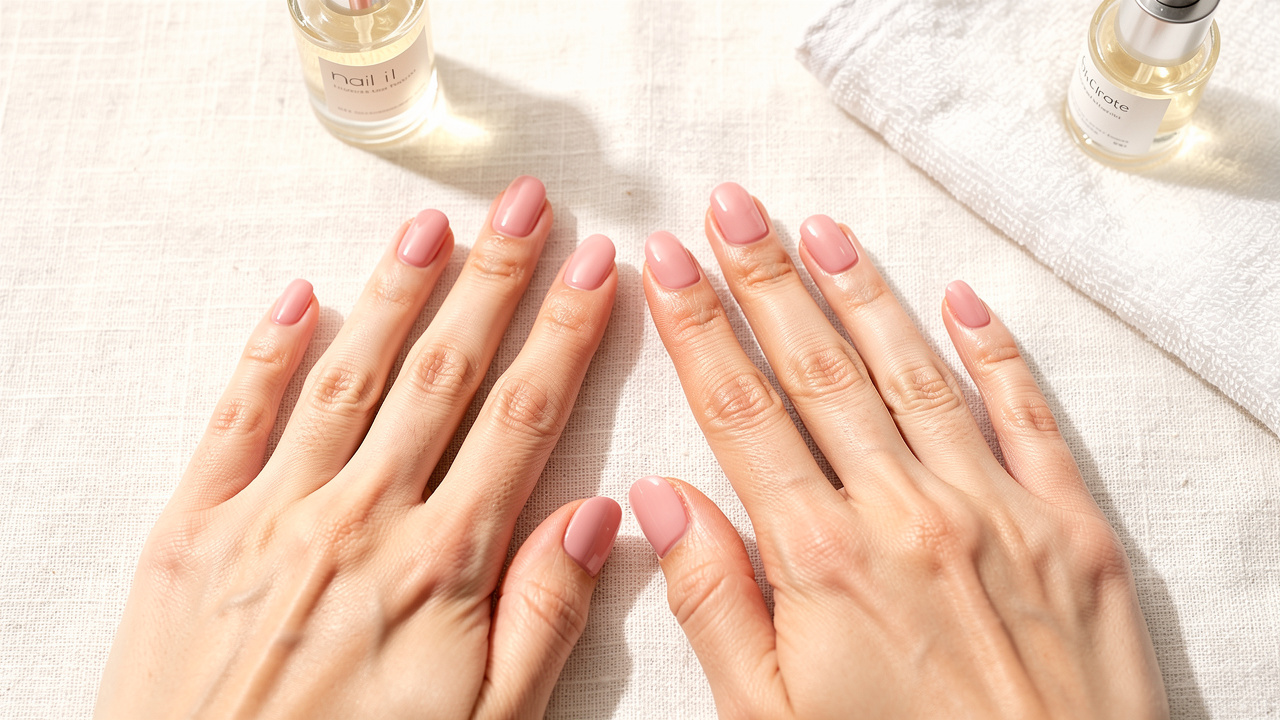
The short answer: gel polish does not have to damage your nails in the hands of a skilled technician and with smart care at home. Gel polish rests on top of the nail plate and can act like armor when prep, structure, and removal all respect the natural nail.
Damage almost always traces back to peeling product, harsh filing, long acetone soaks, or cutting live skin. With dry prep, gentle e‑file work, sunscreen on your hands, daily oil, and short breaks between sets, gel can fit into a healthy routine.
For those who want expert level care, a salon that follows the Russian manicure method, such as Xpert Russian Manicure Salon, offers a careful way to enjoy long wearing color while keeping natural nails strong, smooth, and ready for the next set.
FAQs
Does gel nail polish weaken nails over time
Gel polish itself does not weaken a healthy nail plate. Nails tend to suffer when gel is peeled off, filed too hard, or soaked in acetone for too long. With gentle removal and daily jojoba oil, nails can stay strong through many gel cycles.
How often should you take a break from gel nails
Most people do well with a short pause of one to two weeks after each removal. During that time, keep nails trimmed, apply cuticle oil and rich hand cream, and limit harsh cleaners. A Russian manicure that can last several weeks for many clients may also reduce how often you need removal.
Is gel nail polish safe for natural nails
Gel polish is safe for natural nails when the technician uses dry prep, avoids cutting live cuticle, and removes product with care. Good salons choose formulas that are free of common problem ingredients and keep e‑file pressure light. Skill and training are the key factors that protect your nails.
Does gel polish damage your nails more than regular polish
Regular polish uses air drying and simple remover, so it has fewer steps that can go wrong. Gel offers longer wear, which means you need extra care in prep, curing, and removal. With correct technique, gel does not have to damage your nails more than classic polish.
Related guides
More in this topic: Gel Polish & Shellac guides.