

What Is Russian Manicure? Technique, Safety, Results
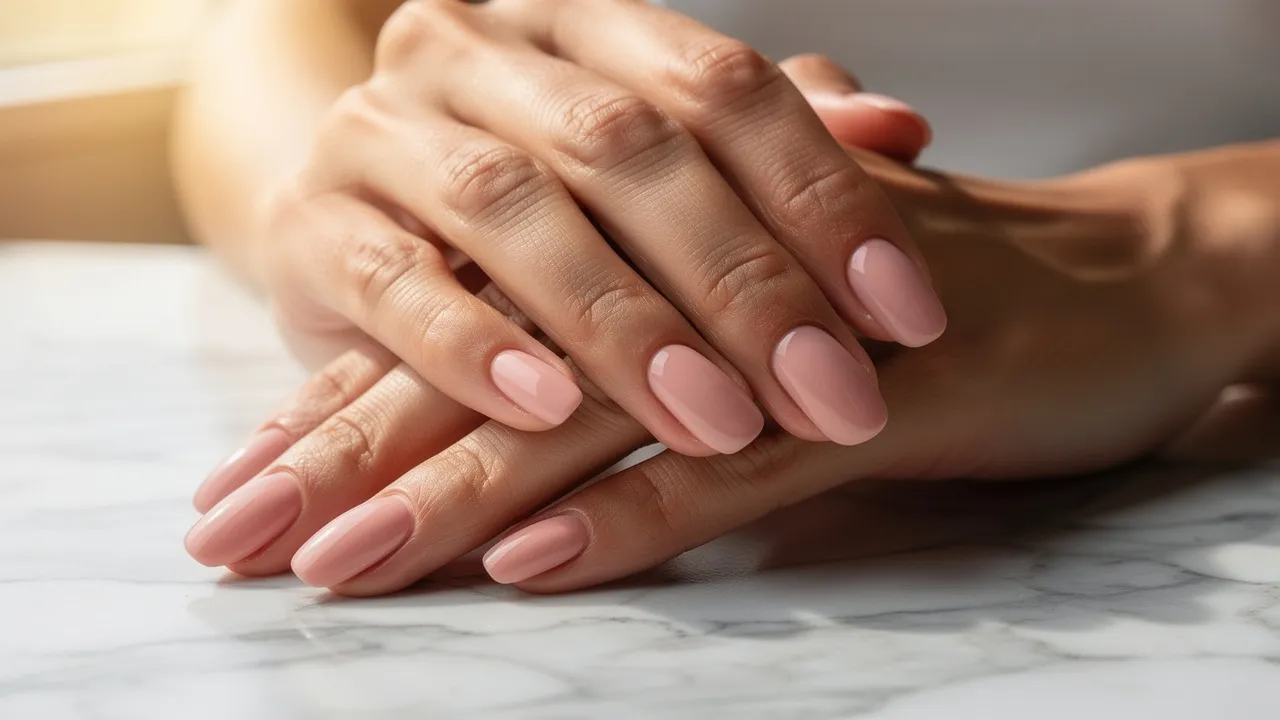
A Russian manicure is a dry nail-preparation technique that often uses an electric file (e-file) for detailed work around the nail plate and surrounding folds. The name does not describe one standardized procedure, so the exact tools and steps can vary by salon.
Unlike a conventional wet manicure, preparation is usually done without soaking. Dry work does not guarantee safer or longer-lasting results; technique, products, and the condition of the nails and skin all matter.
This guide explains the typical technique and links to separate articles about Russian manicure safety, wear time, and how it compares with a regular manicure.
Key takeaways
Before diving into the details, these quick points show why Russian style manicure has become so popular—and why choosing the right professional matters.
A Russian manicure is a dry, e‑file technique. Hands stay out of water while the technician shapes and preps the nails on dry skin, which supports precision and long wear.
The service centers on very detailed cuticle work. Dead skin is lifted from the nail plate, the surrounding skin is smoothed, and a tiny pocket is created under the fold so gel can sit extremely close to the skin.
With proper prep and aftercare, results often last four to five weeks. Because gel is tucked near the cuticle, regrowth shows more slowly and the manicure keeps a tidy, professional look.
A Russian manicure is not a standardized safety certification. It commonly describes detailed dry preparation near the nail folds, sometimes using an e-file. Ask what the service includes, how reusable tools are processed, and whether the technician is licensed under local rules.
Your most important decision is the person doing the service. A careful specialist who follows hygiene rules can give beautiful results; a rushed or untrained approach can lead to problems.
What is a Russian manicure?
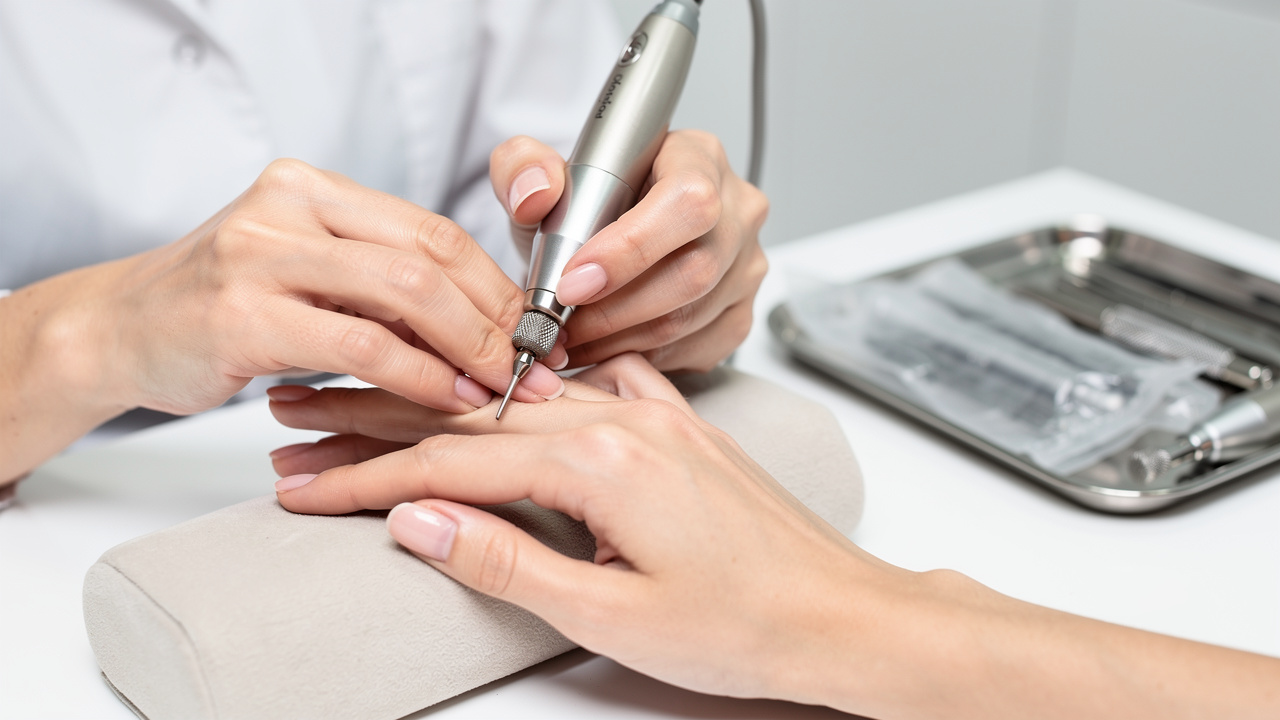
Anyone asking what is russian manicure is usually reacting to how different it looks from a regular manicure. A Russian manicure—often called a dry manicure, e‑file manicure, or combination manicure—is an advanced technique that began in Eastern Europe. The key idea is to prepare the nail and cuticle area on completely dry hands using an electric file with tiny diamond bits plus very sharp manual tools.
Because there is no soaking step, the skin stays firm instead of puffing up. That firmness lets the technician work with a high level of detail around the cuticle line. The e‑file removes dead tissue from the nail surface, cleans the side walls, and polishes the surrounding skin. Fine scissors or nippers then remove remaining non‑living skin so the nail has a clean, crisp frame.
The method also creates a small “pocket” under the skin at the base of the nail. Color gel is carefully tucked into that pocket, so the polish appears to grow straight out of the nail matrix and there is almost no visible gap at the cuticle.
Several traits define this technique in practice:
The service stays completely dry from start to finish. Hands are not soaked, which keeps the nail plate and nearby skin firm for controlled e‑file work.
Specialized diamond bits do different jobs: cleaning the nail plate, polishing the side folds, and reaching into the pocket under the proximal nail fold without scraping living tissue.
Cuticle care is very detailed. Only non‑living tissue is removed from the nail plate and eponychium, giving that smooth, “photoshopped” finish seen in many Russian manicure before and after photos.
The look almost always includes a gel overlay or structure gel. Products are chosen for the client’s nail type, then color is applied right up to the skin for long wear and a sharp line.
How is a Russian manicure done?
Many people ask how is a russian manicure done after seeing how long it lasts and how sharp the cuticle line looks. A full Russian manicure usually takes two to three hours and follows a precise series of steps. It is not a quick in‑and‑out service; it calls for steady hands and close attention.
The appointment starts with a review of nail health and any past issues such as peeling, sensitivity, or allergies. Because this is a dry manicure, hands stay out of water from the beginning so the technician can see the real condition of the nail plate and skin.
Once questions are covered and the plan is clear, the e‑file work begins:
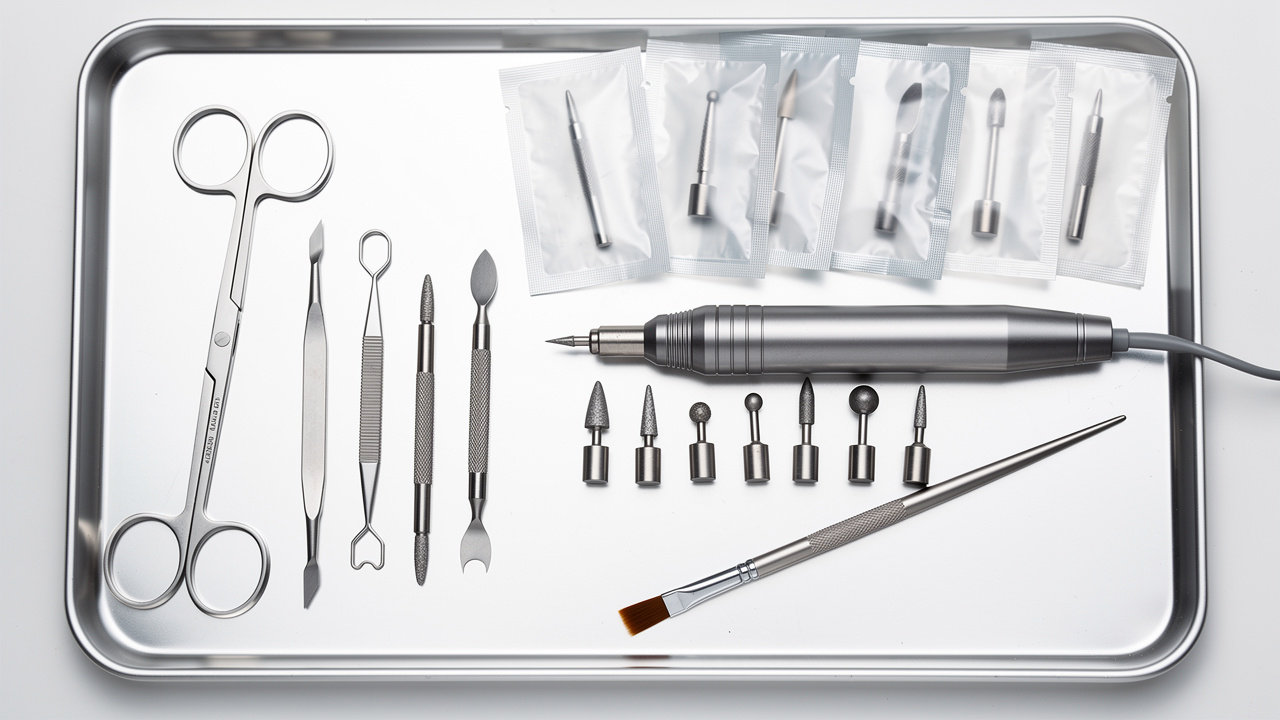
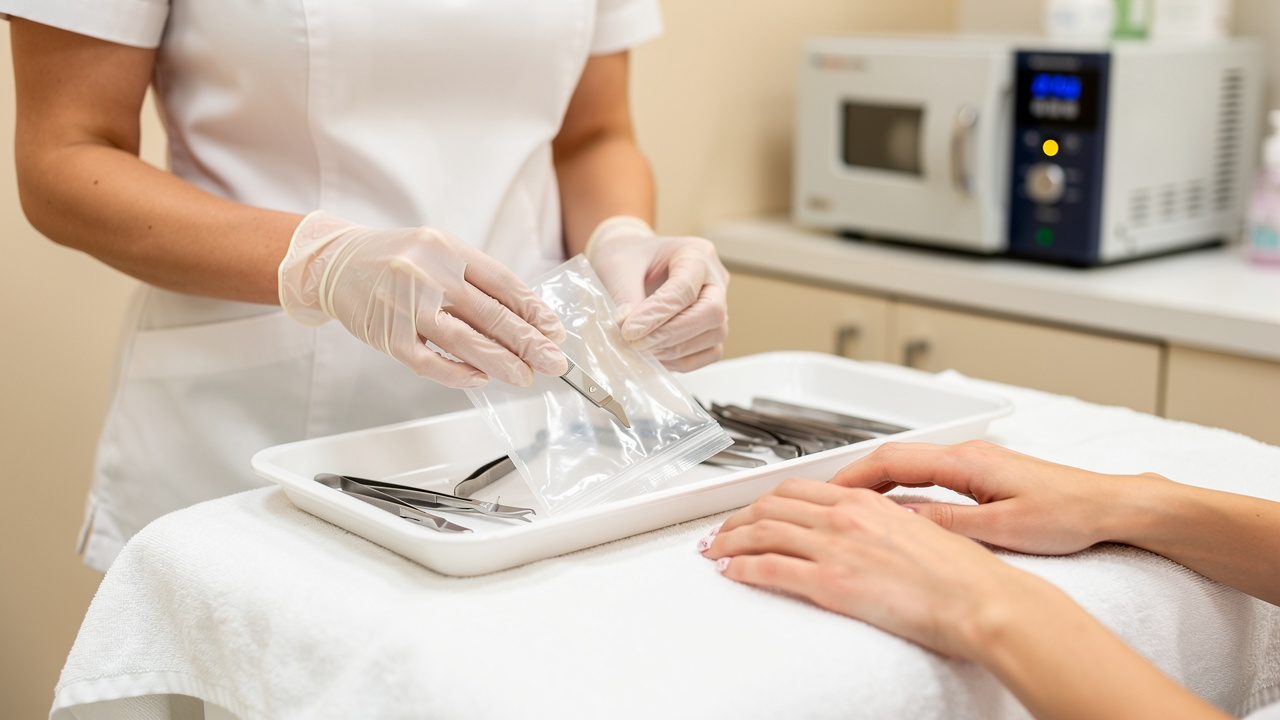
Tool handling: Ask how reusable tools are cleaned and processed between clients, and which items are single-use. Requirements vary by location and tool type, so check local licensing guidance rather than assuming a device or pouch proves compliance.
Nail preparation
Old polish or gel is removed, and the nails are shaped to the length and contour you prefer. The technician checks symmetry and strength so the final result feels comfortable for daily tasks.Opening the pocket
A slim metal pusher gently lifts the eponychium (the thin skin at the base of the nail) away from the nail plate. This motion creates a tiny pocket where dead cuticle can be removed and where gel will later sit close to the skin without flooding.E‑file cuticle exfoliation
A diamond flame bit or similar shape runs along the nail plate and side walls at a controlled speed. The tip loosens dead tissue stuck to the nail, and the body of the bit polishes the folds so the area looks smooth.Precise trimming
Fine scissors or nippers glide around the nail to remove lifted cuticle and rough edges. The focus stays on non‑living tissue so the natural skin barrier is not harmed.Nail surface polishing
Softer e‑file bits lightly pass over the nail plate to even out texture and create the right surface for gel to bond.Structured gel application
A base coat suited to the nail’s strength goes on first, sometimes with a small apex for extra support. Color is applied with a thin brush and tucked into the prepared pocket, then sealed with a glossy or matte top coat.
As many nail educators like to say, “Slow work is safe work with an e‑file,” and this method reflects that idea from start to finish.
Russian manicure vs. regular manicure
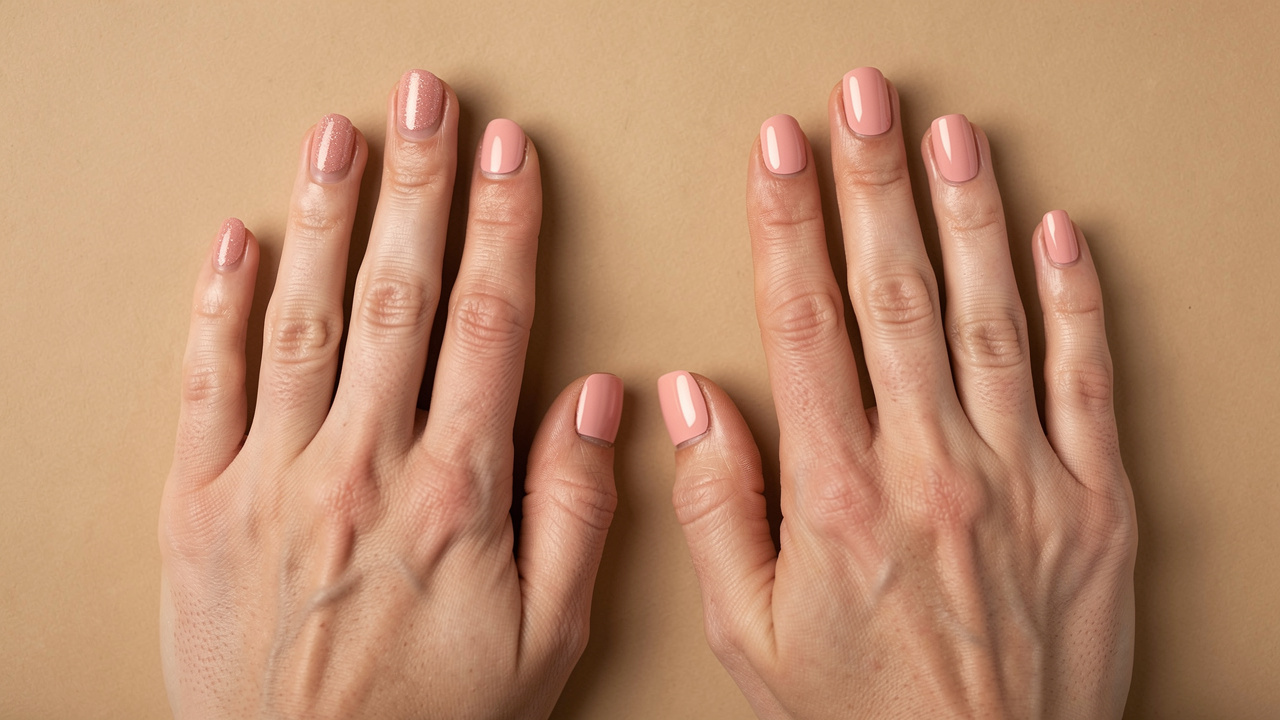
When you compare Russian manicure vs regular manicure, you notice differences in how the service feels, the tools used, and how long the results last. Both can look neat, but they reach that look in very different ways.
A traditional manicure usually begins with a warm soak. The water softens the skin, the cuticles are pushed back, and loose skin is trimmed with basic tools. Regular files shape the free edge, and either classic polish or simple gel is applied, leaving a small gap near the cuticle to avoid flooding.
A Russian manicure is completely dry and depends on e‑file work plus very sharp tools. Hands never go into water, and the focus shifts from quick grooming to detailed preparation and nail structure.
Key differences include:
Technique and tools
A regular manicure relies on manual pushers, basic files, and simple nippers. A Russian manicure uses an electric file with diamond bits, fine scissors, and structure gels to refine each nail with greater precision.Cuticle care
In a traditional service, cuticles are softened and pushed back, and only obvious hangnails are removed. In a Russian style manicure, dead tissue is lifted off the nail plate and removed completely, and the eponychium is groomed so the frame around the nail looks ultra clean.Finish and appearance
Standard manicures often show a line where polish stops short of the cuticle. With a Russian manicure, gel color sits very close to the skin, giving that “airbrushed” look.Durability
A classic gel manicure may last two to three weeks before chips and regrowth show. A Russian gel manicure often looks fresh for four to five weeks thanks to careful prep and close placement of product.Time and price
A basic manicure may take 30–60 minutes and fit a lower budget. A Russian manicure usually takes two to three hours and is priced higher, reflecting the extra time and specialist training.
Benefits, risks, and safety tips
Interest in what is russian manicure keeps growing because the method offers clear benefits but also raises safety questions.
On the plus side, wear time stands out. Careful dry prep and structure gel help gel bond closely to the nail plate. Because color is tucked near the cuticle, regrowth is slower to show and nails can look freshly done for four to five weeks, so you visit the salon less often.
Appearance is another big benefit. Detailed cuticle work and a smooth nail surface create a very clean frame for any shade. Nude tones look extra polished, while bold colors and nail art have crisp edges that photograph well.
There are risks, especially if the skin around the nail is cut or the nail plate is filed too aggressively. The American Academy of Dermatology advises leaving cuticles intact. Stop if the service causes sharp pain, burning, or bleeding, and seek medical advice if concerning symptoms develop.
As many dermatology experts explain, “Healthy, intact cuticles are your nails’ first line of defense.”
Some simple habits make the service safer:
Ask about tool processing. Ask how reusable items are processed and which are single-use. Check local licensing guidance for the rules that apply to the service.
Check the portfolio. Close‑up photos should show neat cuticles, healthy skin without cuts, and nails that are smooth, not damaged.
Confirm extra training. A dependable Russian manicure technician studies e‑file work and nail anatomy beyond a basic license.
Listen to your body. You should not feel burning or sharp pain. If something feels wrong, speak up and request a pause or stop.
FAQs
People searching for russian manicure near me often share the same questions; here are clear, quick answers.
What is a Russian pedicure?
A Russian pedicure uses the same dry, e‑file based approach on the feet. The technician works on dry skin, shapes toenails, cleans cuticles, and smooths callused areas with specialized bits. The result is clean edges and a long‑lasting finish for clients who want the same precision on their toes as on their hands.
A Russian manicure is not risk-free. It commonly involves detailed dry preparation near the nail folds, sometimes with an e-file. Cutting cuticles or aggressive filing can cause injury. If you have thin or damaged nails, skin irritation, diabetes, reduced circulation, or another health concern, ask a healthcare professional before booking.
How long does a Russian manicure last?
A well‑executed Russian manicure usually lasts about four to five weeks before chipping or regrowth appears. Longevity comes from careful prep, structure gel support, and color tucked close to the cuticle. Habits such as frequent dishwashing without gloves, harsh cleaning products, or picking at nails can shorten this time.
What tools are used in a Russian manicure?
Core Russian manicure tools include an electric file, fine diamond bits, and a slim metal cuticle pusher. Sharp, fine‑tipped scissors or nippers trim non‑living skin, and soft polishing bits smooth the nail plate. A thin artist brush helps place gel color into the pocket under the nail fold.
Making your decision about Russian manicure

By now, the question of what is russian manicure should feel much clearer. It is a dry, detail‑driven technique that combines e‑file work and sharp tools to create very clean cuticles and long‑lasting gel. For many clients, the extra time, price, and precision feel worthwhile because work, travel, and social plans call for nails that stay polished for weeks.
Because this service works close to the nail folds, ask the technician to explain the steps, the training relevant to the service, and how reusable tools are processed. Check licensing and sanitation rules with the local authority.
Before you commit, you might:
Save Russian manicure before and after photos that match your style.
Book a consultation and ask about education in Russian manicure tools and e‑file safety.
Share any nail issues, allergies, or medical concerns so the technician can suggest the safest plan—or advise against the service if needed.
An honest, well‑informed conversation makes it easier to decide if this advanced manicure style is the right choice for your hands right now.