

Is Russian Manicure Safe?
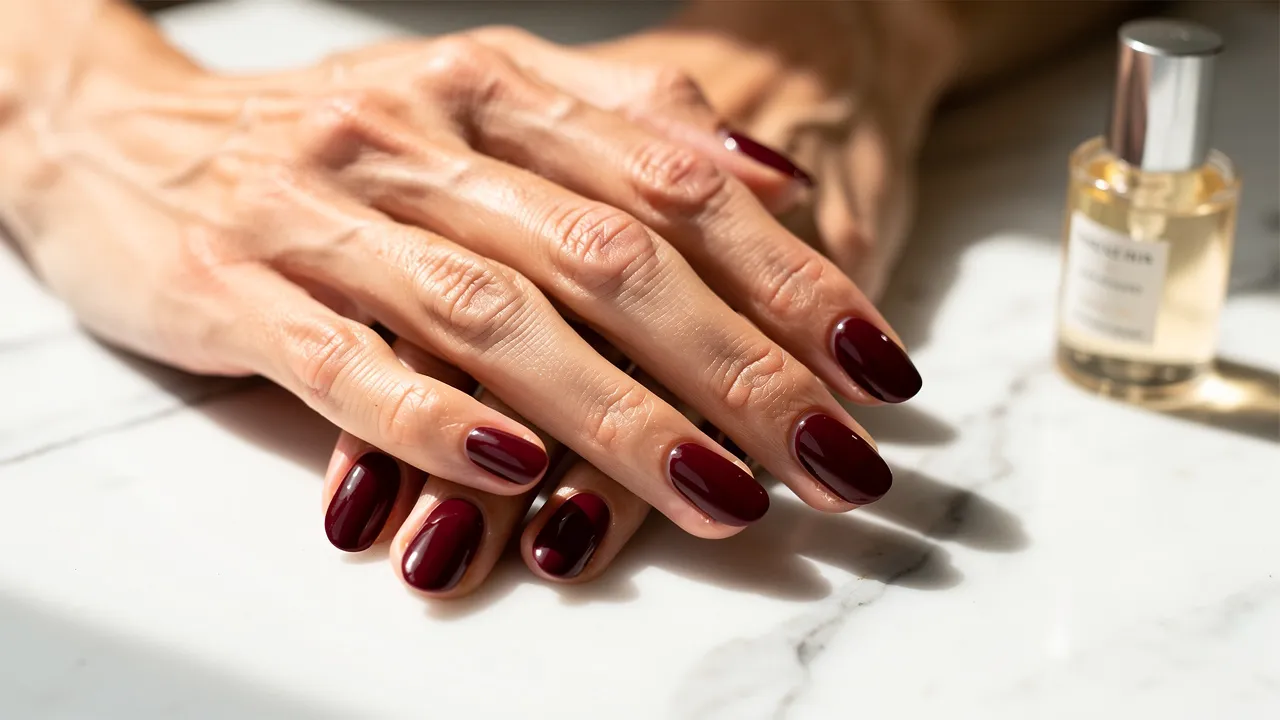
Short answer: A Russian manicure is not safe by default. A trained, licensed technician who leaves living skin alone can lower the risk, but cutting the skin around the nail, over-filing and poorly cleaned tools can cause cuts, infection or nail damage. Ask what the service includes, stop it if it hurts, and decline cuticle cutting for the lowest risk.
General information, not medical advice. If you have pain, swelling, redness, drainage or an ongoing skin or nail change, see a doctor or dermatologist.
"Is it safe?" is the right question to ask before you book a Russian manicure. From a salon's point of view the honest answer is that the label tells you very little. The name describes detailed dry nail preparation near the nail folds, usually with an electric file, but the exact steps differ from one technician to the next. Safety depends on those steps, on the technician's training and on how tools are handled.
What dermatologists warn about
The American Academy of Dermatology recommends leaving cuticles alone, because cutting or forcefully pushing them can make it easier for germs to enter. Dermatologists quoted in consumer press on Russian manicures commonly raise the same few concerns: infection through small cuts, damage to the nail plate or to the area where the nail grows, and skin irritation or allergic reactions to products.
These are reasons to be careful, not proof that every Russian manicure causes harm. They are also why a dry technique is not automatically safer: skipping the soak removes one hygiene concern, but not the risks that come from the tool and the skin contact.
Where the risk comes from
| Risk | How it happens | How to lower it |
|---|---|---|
| Cuts and infection | A bit, nipper or blade nicks the thin skin at the nail folds, giving germs a way in | Decline cuticle cutting, ask the technician to avoid living skin, stop if you are nicked |
| Thinned or sore nail plate | Heavy pressure or a coarse bit removes too much of the nail surface | Ask for light pressure and a fine bit on the natural nail |
| Damage near the nail matrix | Deep work at the base of the nail, where new nail is made, can affect growth | Choose a technician who keeps work on the nail plate and the dead tissue on it |
| Unclean tools | Reusable bits or files are not cleaned, disinfected or replaced between clients | Ask how tools are processed and which items are single-use |
| Product reactions | Gel and other products can irritate skin or trigger an allergy, sometimes after repeated use | Tell the technician about past reactions and stop if itching or redness appears |
| Friction heat | A bit held in one place can heat the nail | Ask the technician to keep the bit moving and to pause if you feel heat |
What careful practice looks like
In our view, a responsible Russian manicure shares a few features, whatever the salon:
- The technician asks about your nails, health and past reactions before starting.
- Work stays on the nail plate and the thin dead tissue on it. Living skin at the nail fold is left alone.
- Pressure is light, the bit keeps moving, and the technician checks in with you.
- Reusable bits and metal tools come from a clean, processed set, and files, buffers and sanding bands are single-use or yours alone.
- You can say "stop", skip a step, or decline cuticle cutting without any pushback.
Questions to ask before booking
- What steps are included, and will my cuticles be cut or pushed back?
- What license is required for this service here, and does the technician hold it?
- How are reusable tools cleaned and processed between clients, and which items are single-use?
- Can I decline a step or ask you to stop at any point?
Local licensing and sanitation rules vary, and some state boards restrict e-file use on the skin. Check current state or local guidance instead of relying on a salon label as proof of compliance. See how to check Russian manicure rules in the U.S. The AAD manicure and pedicure safety guidance and our checklist for spotting an unhygienic salon help too.
Warning signs during and after the service
- Sharp pain, burning, pinching or bleeding during the service: ask the technician to stop, and do not continue work over broken skin.
- Redness, swelling, warmth, increasing tenderness or drainage around a nail in the days after.
- A nail that lifts, changes shape, or develops a green or black patch beneath it.
- Itching, redness or a rash on the fingers, and sometimes the eyelids or face, which can follow product exposure.
These symptoms have several possible causes, and an article cannot diagnose them. See a doctor or dermatologist if they appear or get worse, and a doctor promptly if you have a fever.
Health situations that deserve extra thought
Check with a healthcare professional before booking if you have diabetes, reduced circulation or sensation, an immune condition, a healing or bleeding concern, eczema or psoriasis near the nails, or a current infection. The CDC explains why small skin injuries matter in diabetes and your feet. This is a prompt to get individual advice, not a list of people who may never have a manicure.
How to tell a trained technician
- They explain each step before they do it and welcome questions.
- They hold the bit lightly, keep it moving, and check how you feel.
- They are licensed where a license is required, and can tell you what additional training they have in e-file work.
- They show you where tools come from and which items are single-use.
- They do not pressure you to accept cuticle cutting or any step you declined.
If a nick or cut happens
Small cuts can happen in any manicure. Ask the technician to stop, wash the area with soap and water, and press a clean cloth on it until bleeding stops. Keep it clean and covered, and avoid more filing or product on that finger. Watch it over the next few days, and see a doctor if you notice redness spreading, warmth, swelling, pus, increasing pain or fever.
Myths and facts
| Myth | Fact |
|---|---|
| A dry service is always safer | It avoids a shared soak but adds powered tools near the skin |
| Only the cuticle is at risk | The nail plate and the skin at the nail fold can be over-filed or cut as well |
| A certificate means a safe service | A certificate shows training in something. It does not prove how a given service is done |
| Pain is the price of a clean finish | Sharp pain or burning is a signal to stop |
Lower-risk ways to get the look
You can ask for a dry preparation that stays on the nail plate, decline cuticle cutting, skip the e-file, or choose polish instead of an enhancement. A gentler service lowers some risks but not all of them: filing, product exposure and tool handling still apply.
Bottom line
No manicure can be promised safe for everyone. If you choose a Russian manicure, choose a licensed, trained technician, agree on the steps in advance, and stop the service if anything hurts. For related questions, read is it bad to remove cuticles, thin nails after a Russian manicure and what a Russian manicure is.
FAQs
Is a Russian manicure safe for natural nails?
It can be, when a trained technician uses light pressure, a suitable bit and clean tools, and leaves living skin alone. Over-filing or deep work near the base of the nail can cause damage, so ask what will be done.
Can a Russian manicure cause an infection?
Any service that breaks the skin can. Cutting the skin around the nail or using tools that are not properly processed raises the risk. Redness, swelling, warmth or drainage after a service needs medical advice.
Is it bad for your nails long term?
Repeated heavy filing can thin the nail plate, and repeated cuts to the nail fold can irritate the skin. Careful technique, breaks between sets and gentle removal reduce the strain. Persistent changes deserve a dermatologist's opinion.
Is a Russian manicure safer than a regular manicure?
Not automatically. A dry service avoids a shared soak, but it adds powered tools near the skin. A careful regular manicure that leaves cuticles alone can carry less risk than a rushed Russian manicure.
Can I do a Russian manicure at home?
Do not use an e-file on your own cuticles. A safer dry-style routine with hand tools is in how to do a Russian manicure.
Related guides
More in this topic: Russian Manicure guides.