
Have you seen the flawless, “photoshopped” look of a Russian manicure online and wondered if it’s too good to be true? Does the discussion on TikTok and Instagram leave you asking, are Russian manicures illegal in the US? You’re not alone in questioning the legality and safety of this precise nail technique. To address this directly, Russian manicures are not federally illegal in the US, but several states including California and Texas prohibit the cuticle-removal technique.
The truth is complex, as the answer isn’t a simple yes or no. This guide breaks down the details of the Russian manicure technique, explains the varying state regulations, and weighs the aesthetic benefits against the potential health risks.
We will cover the specific laws in states like California and New York, what makes this manicure controversial, and how to find a safe, high-quality service. Read on to understand everything you need to know before booking your appointment.
What exactly is the Russian manicure technique?
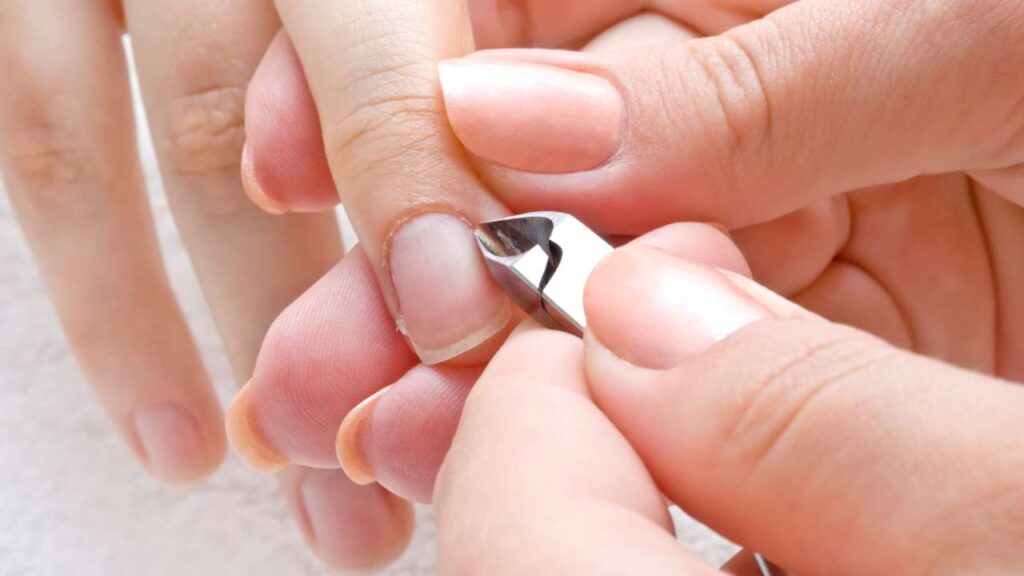
The Russian manicure technique is a specialized “dry” nail service that uses an electronic file (e-file) instead of water for cuticle work. Unlike traditional manicures that soak fingers to soften the skin, this method keeps the nail and surrounding area completely dry. This approach allows for greater precision and a cleaner finish. The core of the technique is the careful removal of the cuticle and exfoliation of excess dead skin from the nail plate.
A certified nail technician uses various specialized diamond bits attached to the e-file to gently buff away the non-living tissue. This detailed process creates a perfectly clean canvas and allows nail polish to be applied closer to the skin, right under the proximal nail fold. This careful application is what gives the Russian manicure its signature flawless and long-lasting appearance. The use of e-files in nail salons has grown significantly, with some industry reports indicating a more than 30% increase in adoption over the last five years as technicians seek more precise methods. Because there is no water involved, the polish adheres better to the natural nail, reducing the chances of lifting or chipping. The entire process, from gel removal to final color application, is performed with the e-file, demanding a high level of skill and training from the technician.
Are Russian manicures legal in the US? Understanding state regulations
The question of whether Russian manicures are illegal in the US has no single federal answer; instead, legality is determined at the state level. Cosmetology practices are regulated by individual state boards, leading to a patchwork of different rules across the country. The main point of legal friction is the Russian manicure cuticle removal process, specifically whether it involves cutting or removing living tissue. Many state boards prohibit nail technicians from cutting living skin, viewing it as a medical procedure outside their scope of practice. Currently, at least 15 states have strict regulations that either implicitly or explicitly prohibit the aggressive removal of living cuticle tissue by unlicensed personnel.
The controversy centers on the eponychium, the small band of living tissue at the base of the nail. The biological purpose of the eponychium is to protect the nail matrix from bacteria and infection. A true Russian manicure involves carefully lifting this skin to remove the non-living cuticle tissue underneath. However, if an untrained technician aggressively uses an e-file, they can easily damage this protective barrier. This distinction between removing dead cuticle tissue and cutting the living eponychium is where the legal and safety lines are often drawn.
State-by-state regulations on Russian manicures
The rules governing e-file manicure regulations vary significantly, creating confusion for both clients and nail professionals. In states like California and Texas, laws are very strict. They explicitly forbid cosmetologists from cutting any living skin, which makes performing a full Russian manicure that removes the eponychium a violation. An informal survey of state cosmetology boards found that approximately 40% of states have regulations similar to California and Texas, restricting the cutting of living skin around the nail.
New York presents a more ambiguous situation. While the state’s cosmetology board prohibits “cutting living skin,” the term “Russian manicure” is not specifically banned by name. This has created a legal gray area where many salons offer the service discreetly. In contrast, states like Massachusetts permit the procedure, provided the technician is properly trained, certified, and adheres to strict professional standards for safety and hygiene.
| State | Legality Status (Cuticle Removal) | Key Regulatory Point |
|---|---|---|
| California | Generally prohibited | Considered a medical procedure |
| Texas | Generally prohibited | Cutting living skin restricted |
| New York | Ambiguous | Prohibits “cutting living skin” |
| Massachusetts | Permitted with proper training and licensing | Focus on professional standards |
What are the safety concerns and benefits of a Russian manicure?
The primary safety concerns surrounding the Russian manicure are linked to the aggressive removal of the cuticle and the potential for improper e-file use. Medical professionals caution that removing the eponychium compromises the natural barrier that protects the nail from bacteria, and fact-checkers have examined whether gel nail polish is safe amid growing concerns about UV lights and chemical exposure.
“Removing the eponychium can open the door to bacterial and fungal infections,” explains Dr. Unnati Desai, the medical director at Skinfluencer London.
If a technician is not highly skilled, they can also cause damage to the nail plate, leading to thinning, ridges, or ridges, or soreness.
However, when performed by an expert, the benefits are significant. Aesthetically, the manicure provides an exceptionally clean and polished look that lasts for three to four weeks without chipping. Surveys indicate that clients value the longevity, with over 70% reporting their Russian manicure lasts at least a week longer than traditional gel manicures. The technique allows for polish application deep under the cuticle line, making regrowth much less noticeable. Proponents also argue that by avoiding water and acetone soaks for removal, the Russian manicure can actually improve long-term nail health, allowing natural nails to grow stronger and healthier under the protective gel overlay. The key to a positive outcome is the technician’s expertise and the salon’s hygiene protocols.
Potential risks of Russian manicures
While the results can be stunning, it’s important to understand the potential Russian manicure risks. The most serious risk is infection. When the eponychium is breached, it creates an entry point for pathogens, which can lead to a painful condition called paronychia. This is why medical-grade sterilization of all tools is absolutely non-negotiable.
Another concern is damage to the natural nail plate. An inexperienced or heavy-handed technician can easily apply too much pressure with the e-file, thinning the nail and causing it to become weak or brittle. For individuals with darker skin tones, the trauma from cutting the skin can sometimes trigger hyperpigmentation around the nail. These risks are significantly minimized when the service is performed by a certified technician with extensive training in advanced e-file manicure safety.
Here are key safety considerations to keep in mind:
Verify technician certification. Confirm the nail tech has completed specialized training in advanced e-file techniques and the dry manicure technique. A standard cosmetology license is often not sufficient for this specialized service.
Confirm sterilization practices. Ask the salon about their hygiene protocols. Reputable establishments like Xpert Russian Manicure Salon use medical-grade sterilizers, such as an autoclave, to make certain all metal instruments are completely free of bacteria.
Communicate during the service. The procedure should be comfortable and painless. If you feel any burning, pinching, or discomfort, speak up immediately so the technician can adjust their pressure or bit speed.
Request a consultation. If you have sensitive skin, diabetes, or other conditions that affect circulation or healing, discuss them with the technician before the service begins. A true professional will prioritize your health and safety.
How to ensure a safe and high-quality Russian manicure experience
To make certain of a safe and positive experience, you must prioritize the technician’s skill and the salon’s sanitation standards. A safe Russian manicure is entirely dependent on the person holding the e-file, and understanding the home beauty business legal requirements can help clients identify whether a salon meets proper licensing and insurance standards. Look for a Russian manicure licensed nail tech who can show proof of advanced certification specifically in this technique.
“Technicians in the countries where the method originated often have five to seven years of specialized training,” notes Kamola Malikova, founder of Minx Nails.
Hygiene is equally important. The salon should follow hospital-grade sterilization protocols. All metal tools, including the e-file bits and cuticle scissors, must be sterilized in an autoclave between every client. Don’t be afraid to ask the salon to show you their sterilization equipment and explain their process. A reputable salon will be transparent about their commitment to cleanliness and client safety. Choosing a salon that invests in both top-tier training and impeccable hygiene is the best way to achieve beautiful results without compromising your health.
Experience the Xpert Russian Manicure difference
At Xpert Russian Manicure Salon, our certified technicians are dedicated to providing a service that is not only beautiful but also upholds the highest standards of safety and hygiene in Boston. We focus on precision, nail health, and long-lasting results.
Value precision, prioritize safety
The legality of Russian manicures in the US is not black and white but depends on state-specific cosmetology laws regarding cuticle removal. While the flawless, long-lasting results are appealing, safety should always be the top priority.
The risks associated with this technique are almost always tied to an untrained technician or poor salon hygiene. By choosing a certified expert who works in a salon with medical-grade sterilization, you can safely enjoy the clean aesthetic and durability of a professionally done Russian manicure.
FAQ’s about Russian manicures
Is Russian manicure safe for sensitive skin?
A Russian manicure can be safe for sensitive skin when performed by a skilled professional who uses a gentle, dry technique. A pre-service consultation allows the technician to adjust the e-file speed, pressure, and products to suit your needs and prevent irritation.
How often should one get a Russian manicure?
Most clients get a Russian manicure every three to four weeks. The precise cuticle work and deep polish application allow the manicure to last much longer than traditional services, with regrowth remaining hidden for an extended period.
What is the difference between a Russian manicure and a regular manicure?
The main difference is that a Russian manicure is a dry service that uses an e-file for precise cuticle removal. A regular manicure typically involves soaking the hands in water to soften the skin and uses manual tools like pushers and nippers.
Can traditional nail polish be applied over a Russian manicure?
Yes, you can apply regular nail polish after the base and structural gel layers of a Russian manicure are complete. To protect the underlying gel, it is best to use a non-acetone remover when you decide to change the color.
Do Russian manicures require specific aftercare?
Proper aftercare helps maintain the manicure and your nail health. Regularly applying cuticle oil and hand moisturizer is recommended. You should also avoid picking at or peeling off the gel to prevent damage to your natural nails.
How does e-file usage affect nail health long-term?
When used correctly by a trained professional, an e-file can actually promote better nail health. It allows for gentle removal of old product without harsh acetone soaks and preserves the integrity of the nail plate, encouraging strong growth over time.