

Russian Pedicure Pain & Infection Risk
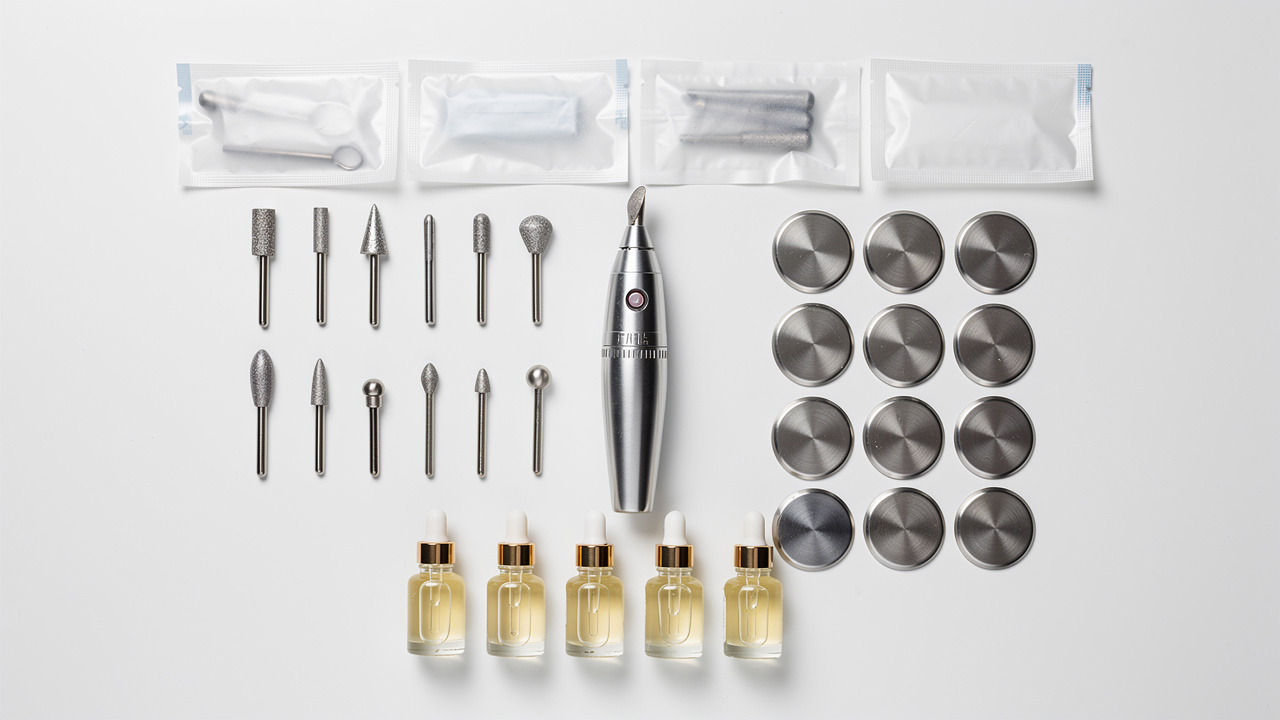
Pain or infection is possible after a Russian pedicure if skin is cut, the nail is over-filed, or tools are not properly processed. The technique is not proven to prevent infection, and a dry service is not risk-free.
This guide focuses on possible discomfort, warning signs, and when to seek clinical care. It cannot diagnose symptoms; worsening redness, swelling, drainage, increasing pain, or fever should be assessed by a healthcare professional.
What is a russian pedicure and what are its general risks?
A Russian pedicure commonly uses an e-file on dry nails and surrounding skin. Work near nail folds can cause irritation or injury, so speak up and ask the technician to stop if you feel sharp pain or burning. For broader information, see the separate Russian pedicure safety guide and AAD manicure and pedicure safety advice.
The primary difference lies in the tools and approach. A traditional pedicure uses water to soften the skin, followed by manual tools like nippers and pushers. A Russian pedicure relies on various e-file bits to gently buff away dead skin and calluses. While this method can yield beautiful results, the Russian pedicure dangers arise when it is performed by an untrained technician. Improper e-file use can cause nail plate thinning, heat sensitivity, or damage to the surrounding skin.
Skin around the nail helps protect the area from irritation and infection. Cutting or forcefully pushing that skin can cause injury. If you are unsure what a technician plans to remove, ask before the service begins and request that they avoid cutting living skin.
| Feature | Russian Pedicure | Traditional Pedicure |
|---|---|---|
| Water Usage | Completely dry (waterless) | Feet are soaked in water |
| Primary Tool | Electric file (e-file) with various bits | Manual files, pushers, and nippers |
| Cuticle Work | Precise removal of non-living tissue | Pushing back and trimming |
| Longevity | Results often last 3-5 weeks | Results typically last 2-3 weeks |
Understanding infection risks: why is cuticle removal a concern?
Cuticle work should be gentle. The American Academy of Dermatology advises leaving cuticles intact because cutting them can allow infection. Aggressive e-file work or nipping can also injure the surrounding skin; the risk depends on the service, tools, and technique. Avoid claims that any method makes infection impossible.
Redness, swelling, increasing tenderness, warmth, or drainage around a nail can be signs of a problem and should not be treated as routine post-service soreness. Do not try to diagnose or treat an infection from an article. Seek medical advice, especially if symptoms worsen or you develop a fever. For general prevention guidance, see the American Academy of Dermatology’s manicure and pedicure safety advice.
The American Academy of Dermatology recommends not cutting cuticles during manicures or pedicures. A dry service or e-file should not be described as inherently safer; avoid injury by asking what the service involves, declining cutting of living skin, and stopping if the work hurts.
What can help you make a more informed pedicure choice?
No provider can promise a pain-free or risk-free pedicure. Ask about the technician’s relevant training and the salon’s cleaning, disinfection, and sterilization process. During the service, ask the technician to stop if you feel sharp pain, burning, or unusual pressure. E-file speed and bit choice do not by themselves guarantee safety.
Instrument processing requirements depend on local rules and on whether an item is reusable or single-use. Ask the salon to explain its process for the tools used in your service, and check the relevant state or local licensing guidance if you need to confirm requirements. Avoid assuming that one device or pouch is appropriate for every tool.
Here are key things to look for when choosing a salon for a Russian pedicure:
Training and licensing: Ask about the technician’s current license where required and any additional training relevant to e-file services. Licensing rules and permitted services vary by location.
Tool handling: Ask how reusable tools are cleaned and processed between clients, and which items are single-use. You can also check your state or local board’s rules for salon sanitation.
Service setup: A dry pedicure avoids a shared foot soak, but that alone does not prevent infection. Clean equipment, appropriate tool processing, and careful work still matter.
Client Consultation: A professional technician will ask about your skin sensitivity, allergies, and any medical conditions before starting. They should explain the process thoroughly and what to expect during and after the service.
Positive Reviews and Reputation: Look for testimonials and online reviews that specifically praise the salon's cleanliness, the technician's skill, and the overall experience regarding safety and comfort.
Achieving superior and safe nail care
When comparing salons, ask how tools are processed, what training the technician has for the service, and how they respond if a client feels pain. For appointment and service details at Xpert Russian Manicure Salon, contact the salon directly; this article does not verify a particular salon’s procedures.
Making informed choices for your nail health
Before choosing a service, ask practical questions about licensing, training, tool processing, and how the technician avoids cutting living skin. Requirements differ by location, so use your local licensing authority for current rules.
FAQ's about Russian pedicure safety
Is a russian pedicure suitable for sensitive skin?
Sensitivity varies. If your skin is irritated, broken, or unusually tender, postpone the service and seek medical advice when appropriate. Tell the technician about sensitivities and ask them to stop if you feel discomfort; no technique guarantees an irritation-free result.
How long do the results of a russian pedicure last?
The results of a Russian pedicure typically last between three and five weeks. Because the technique is performed on a completely dry nail, the polish adheres better. The precise application of color very close to the cuticle line also makes regrowth less noticeable, extending the time between appointments.
Can a russian pedicure damage my natural nails?
If performed incorrectly, any nail service can cause damage. The risk with a Russian pedicure comes from an untrained technician using the e-file too aggressively, which can thin the nail plate or harm the nail bed. However, a properly trained expert understands nail anatomy and has the control to work safely, protecting your natural nails.
What should i look for in a salon offering russian pedicures?
Check current licensing requirements in your area, ask about relevant training, and ask how reusable tools are cleaned and processed between clients. Avoid relying on a certification label alone as proof of safe practice.
Are there any aftercare instructions specific to a russian pedicure?
Yes, for the first 24 hours, it is best to avoid submerging your feet in water, such as in pools or hot tubs. This allows the skin to recover fully. Daily application of a quality cuticle oil and foot cream is also recommended to keep the skin hydrated and maintain the results, helping to keep your nails looking fresh and healthy.