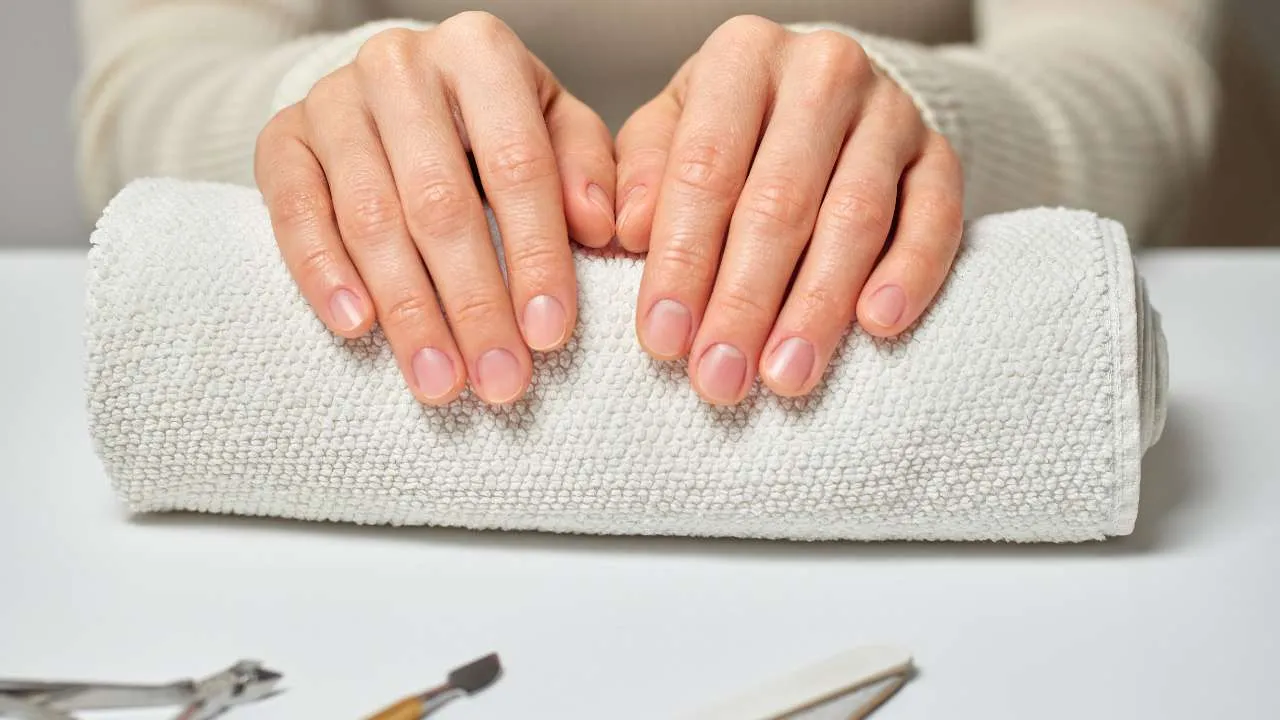
Have you ever walked out of a nail salon with perfectly polished, pristine nails, only to notice weeks later that they feel paper-thin and fragile? Are you wondering if the precision technique that promises flawless results could be causing hidden damage beneath that glossy surface?
The Russian manicure has become the gold standard for professional women who demand long-lasting, impeccable nail care. Its clean aesthetic and weeks-long durability make it a favorite among those with packed schedules and high standards. However, a growing number of clients are discovering an unsettling side effect: nails that become progressively thinner, more sensitive, and structurally compromised after just a few appointments.
Here’s the truth: nail thinning after a Russian manicure isn’t inevitable. It’s often the result of improper technique, inadequate training, or neglected aftercare. When performed correctly by certified professionals who understand nail anatomy and pressure control, the Russian manicure can actually support and protect your natural nails rather than damage them.
In this article, you’ll discover the real reasons behind nail thinning, learn to recognize warning signs before serious damage occurs, and gain practical strategies for protecting and recovering your nail health. You’ll understand why technician expertise matters more than the tools themselves, and how to choose a salon that prioritizes your long-term nail integrity alongside aesthetic perfection. By the end, you’ll know how to enjoy the stunning results of Russian manicure without sacrificing the strength and health of your natural nails.
What causes nails to become thin after Russian manicure?
The Russian manicure relies on a “dry” preparation technique that uses electric files (e-files) instead of the traditional water-soaking method. This precision approach allows for exceptional cuticle work and superior gel adhesion, but it also introduces specific risks when performed incorrectly.
The primary culprit behind nail thinning is over-filing of the nail plate. Your natural nail is composed of multiple layers of keratin, with the top dorsal layer providing the strongest protection. When a technician applies too much pressure with an e-file or uses a bit with excessively coarse grit, they inadvertently shave away these protective layers. Over multiple appointments, this cumulative removal creates a progressively thinner nail structure that loses its natural strength and flexibility.
Heat friction represents another significant threat to nail integrity. E-files generate considerable heat through rapid mechanical movement. Even when a technician doesn’t physically “drill into” the nail, the heat alone can dehydrate the nail plate, making it brittle and prone to peeling. This thermal stress compounds with each three-week appointment, creating a cycle of progressive weakening.
Understanding the difference between cuticle and eponychium is essential to grasping why damage occurs:
The cuticle is dead tissue that sits on top of the nail plate
The eponychium is the living fold of skin at the nail base
The Russian manicure aims to remove all cuticle tissue to allow polish application right up to the skin fold. However, e-files are indiscriminate tools. It’s nearly impossible to remove 100% of the cuticle with a high-speed drill without also eroding the eponychium. When this living tissue is compromised, the nail matrix (where new nail cells are born) becomes vulnerable to trauma, resulting in the production of weaker, thinner nail cells from the root.
Improper structured gel removal causes just as much damage as the initial application. Because structured gel is incredibly durable, it requires aggressive filing to remove. If a technician drills too close to the natural nail during maintenance appointments, they may accidentally nick the nail plate itself. Repeatedly filing down to the bare nail every three to four weeks is what creates the “damage cycle” that forces clients to take extended breaks from professional services.
The cumulative effect of these factors is what makes nail thinning so insidious. A single appointment might not cause noticeable damage, but repeated aggressive filing, heat exposure, and improper removal over months progressively weakens the nail structure until it becomes visibly compromised.
Xpert Russian Manicure Salon’s certified technicians receive specialized training in pressure control and nail anatomy to prevent over-filing. They employ fine diamond bits that remove only dead tissue while protecting the natural nail plate, helping clients enjoy the aesthetic benefits of Russian manicure without compromising nail health.
How to recognize if your nails are damaged from Russian manicure
Catching nail damage early allows you to take corrective action before thinning becomes severe. Your nails will communicate distress through several visible and physical signs that should never be ignored.
The most telling visual indicator is the appearance of red shadows or “rings of fire” on the nail plate. These pink or red patches indicate that the nail has been filed too thin, exposing the sensitive layers beneath. If you notice these marks immediately after an appointment, your technician has removed too much of the protective keratin layer.
Physical sensations provide equally important warnings. If you experience a stinging or “zinging” sensation under the LED lamp during curing, or if your nails feel sensitive when washing hands with warm water or applying hand sanitizer, your nail plate has been compromised. Healthy nails should not react to these routine activities with discomfort.
Structural changes become apparent as damage progresses:
Nails that bend easily when you press on the free edge
Loss of natural C-curve (the gentle arch from side to side)
Peeling at the tips, where nail layers separate like pages in a book
Delamination due to insufficient thickness to maintain structural integrity
Chronic inflammation around the cuticle line signals that the protective barriers have been breached. If the skin surrounding your nail appears permanently red, puffy, or tender to the touch, the eponychium has been damaged. This living tissue serves as a seal protecting the nail matrix from bacteria and trauma. When compromised, it cannot perform this protective function effectively.
Increased nail porosity is another red flag. If your nails seem to absorb water more quickly than before, causing gel polish to lift within days rather than weeks, the nail plate has become more porous due to thinning. Healthy nails have a relatively impermeable surface that resists water absorption.
Monitor these symptoms carefully between appointments. If you notice any of these warning signs, communicate your concerns with your technician immediately. A skilled professional will adjust their technique, reduce pressure, or recommend alternative approaches to prevent further damage.
Xpert Russian Manicure Salon conducts thorough consultations before each service, inspecting nail plate integrity and discussing any concerns you may have. Their technicians adjust techniques based on individual nail health, providing clients with sensitive or previously damaged nails appropriately gentle care that supports recovery rather than exacerbating existing issues.
How to strengthen and recover thin nails after manicure
Recovery from nail thinning requires patience, consistent care, and realistic expectations. Unlike skin, nails cannot “heal” in the traditional sense. The damaged portion must grow out completely and be replaced by healthy new growth from the nail matrix.
Understanding the timeline is essential for managing expectations. It takes approximately six months for a fingernail to grow completely from the matrix to the free edge. For severe damage caused by aggressive drilling or repeated trauma, full recovery may require up to a year. During this period, your focus should be on protecting the new growth while managing the thin, damaged tips.
Daily care essentials
Cuticle oil application is non-negotiable for nail recovery. Apply professional-grade oil (jojoba or vitamin E based) at least twice daily, focusing on the cuticle area and the entire nail plate. This keeps the remaining nail layers flexible and prevents the brittleness that leads to cracking and peeling. Think of it as moisturizer for your nails; just as dry skin cracks, dry nails split and break.
Moisture protection becomes critical when nails are thin. Damaged nails are more porous and absorb water more readily than healthy nails. This causes them to expand when wet and contract when dry, creating a cycle of stress that leads to peeling and gel lifting. Wear gloves during household chores, cleaning, or any activity involving water or harsh chemicals. This simple habit dramatically reduces the expansion-contraction cycle that weakens thin nails.
Length and structural management
Length management during recovery is equally important. Keep nails shorter than you might prefer. Long, thin nails act as levers, magnifying the mechanical stress on the nail bed. Even minor impacts can cause thin nails to crack or tear deep into the sensitive tissue. A shorter length reduces this leverage effect and minimizes the risk of painful breaks.
Properly applied structured gel or Gel X can serve as a protective “cast” for thin nails during recovery. Rather than being a source of damage, these products provide stability and absorb the impact of daily activities that would otherwise stress the fragile natural nail. The key is in the application and removal: a skilled technician will leave a thin protective base layer during fills, only removing the top color layers, rather than stripping back to the natural nail every time.
Nutrition and internal support
Dietary support provides the internal building blocks for healthy nail production. Make sure your diet includes:
Adequate protein (the foundation of keratin)
Biotin (a B vitamin that supports keratin production)
Whole food sources like eggs, nuts, salmon, and leafy greens
While supplements can help, whole food sources provide the most bioavailable nutrients.
Professional maintenance guidelines
Professional removal appointments should be scheduled before the four to five-week mark. Allowing gel or acrylic to grow out too long places excessive mechanical stress on the natural nail, increasing the risk of breaks. Additionally, overgrown product is more difficult to remove, often requiring more aggressive filing that can further damage thin nails.
Never attempt DIY removal or pick at lifted gel. This is one of the most damaging things you can do to thin nails. Picking removes layers of the natural nail along with the product, creating even more thinning and setting back your recovery timeline by weeks or months.
Xpert Russian Manicure Salon offers curated aftercare products specifically designed for nail recovery, including professional-grade cuticle oil and rich hand cream formulated to nourish and protect compromised nails. Their Gel X services provide flexible, impact-absorbing protection for thin or damaged nails, allowing natural nails to strengthen underneath while still maintaining a polished appearance. The salon’s gentle removal process minimizes harsh acetone exposure, carefully filing away most product rather than relying solely on chemical soaking that can further dry and weaken recovering nails.
Summary
Nail thinning after Russian manicure is preventable when the technique is performed correctly by skilled, certified professionals. The difference between a damaging service and a beneficial one lies entirely in technician expertise, training, and commitment to nail health over speed.
Recognizing warning signs early gives you the power to take corrective action before minor thinning becomes severe structural damage. Your nails communicate their distress through sensitivity, visible changes, and inflammation. Listen to these signals and communicate openly with your technician about any concerns.
Prioritize salons that value long-term nail integrity alongside aesthetic perfection. A truly skilled technician understands that beautiful nails and healthy nails are not mutually exclusive. They’re willing to invest the time necessary to perform the service correctly, even if it means appointments take longer.
Recovery is possible with consistent aftercare, patience, and professional support. While damaged nails must grow out completely, proper care during the recovery period protects new growth and prevents further damage.
Xpert Russian Manicure Salon represents the answer for clients seeking both flawless aesthetics and long-term nail integrity. Their commitment to precision, safety, and natural nail protection through advanced techniques and medical-grade hygiene standards means you never have to choose between beauty and health. With certified technicians trained in pressure control and nail anatomy, they deliver the stunning, long-lasting results of Russian manicure while actively protecting and strengthening your natural nails.
Beautiful nails and healthy nails are not mutually exclusive when you choose the right professionals. Your hands deserve both.
FAQs about thin nails after Russian manicure
Is Russian manicure safe for thin nails?
Yes, when performed by properly trained technicians who understand nail anatomy and practice precise pressure control. The dry technique actually prevents water-related swelling that can compromise gel adhesion and lead to lifting. The key is finding a salon that prioritizes precision and nail health over speed. Xpert Russian Manicure Salon’s medical-grade sterilization protocols and certified technicians provide safe application that protects rather than damages natural nails, even when they’re already thin or compromised.
How long does it take for nails to recover from thinning?
Complete nail regrowth takes approximately six months from the matrix to the free edge. For severe damage involving the nail matrix or surrounding tissue, full recovery may require up to a year. However, you should see improvement in new growth within the first few weeks of proper care. Consistent aftercare, including daily cuticle oil application and protective gel applications, can support healthy regrowth during this period. Professional monitoring helps track progress and adjust care strategies as needed.
Can I prevent nail thinning while getting Russian manicures?
Absolutely. Prevention comes down to proper technique and consistent aftercare. Choose salons with certified technicians who have received specialized training in pressure control and nail anatomy. Maintain regular appointments every three to five weeks to prevent overgrowth stress on the natural nail. Use cuticle oil and hand cream daily to keep nails flexible and hydrated. If your nails are already compromised, opt for hand-tool alternatives or gentler preparation methods until they’ve recovered. Xpert Russian Manicure Salon’s dry technique and precision e-file work prevent the damage cycle while delivering the long-lasting, flawless results that make Russian manicure so popular among professional women.