

What Is a Russian Pedicure? Technique, Safety & Benefits
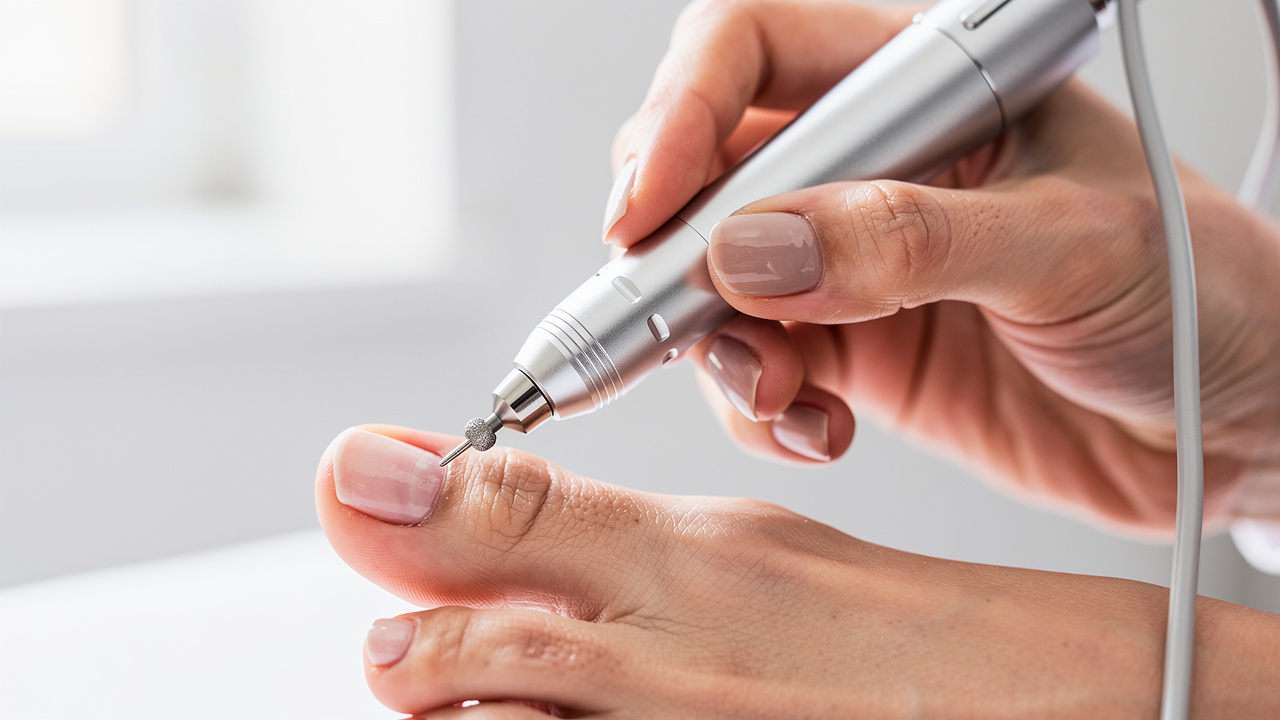
A Russian pedicure is usually a dry nail-care service that uses an e-file for detailed preparation around the toenails and may include work on surrounding skin. The name does not define one standardized procedure, so the exact steps vary among salons.
Unlike a soak-based pedicure, the service is performed without soaking the feet. A dry process does not by itself guarantee safer or longer-lasting results; technique, products, and the client’s foot health matter.
This guide explains the typical service and tools, how it differs from a traditional pedicure, and questions to ask before choosing one. For a closer look at safety considerations and when to pause for foot-health advice, see the separate guides.
What is a Russian pedicure?
At its core, a Russian pedicure is a specialized dry pedicure technique carried out on completely dry skin and nails. Instead of soaking the feet, the technician uses a professional electronic file, also called an e-file, plus a set of fine drill bits to treat cuticles, nail plates, and callused areas. By keeping everything dry, the expert can clearly see where dead tissue stops and living skin begins, which is the heart of what a Russian pedicure is and why it looks so refined.
To understand this method, it helps to clear up a common confusion. The true cuticle is the thin, non‑living tissue that sticks to the nail plate; this should be removed during any accurate cuticle removal pedicure. The eponychium is the living, protective rim of skin at the base of the nail; that seal should never be cut or drilled away. Russian nail technique training focuses heavily on reading this boundary on dry skin, then gently lifting the eponychium so only dead cuticle can be treated with the e-file.
Because of this precise way of working, the Russian pedicure often goes by other names such as dry pedicure, hardware pedicure, e-file pedicure, or waterless pedicure. All describe the same idea. The technician treats the nails and skin in their natural state, without swelling from water or chemical softeners, so every move is more controlled. This is very different from a quick nail drill pedicure done on soaked feet.
The method grew out of advanced nail education in Russia, where teachers talk about “architectural” nail work. That means:
building strong, balanced shape
creating smooth surfaces for gel polish
refining clean skin lines that frame the color
For that reason, the Russian pedicure is not only a beauty service. It is a professional pedicure method that supports long-term foot and nail health while giving a very polished finish.
How a Russian pedicure works?
A Russian pedicure session feels calm and organized rather than rushed. Most appointments take ninety minutes to two hours, depending on calluses, cuticle buildup, and the design chosen. Understanding the steps of how a Russian pedicure works can ease any nerves before trying it for the first time.
Step 1 — consultation and assessment
The service starts with a close look at the feet and nails. The technician checks nail shape, skin texture, cuticle overgrowth, and any signs of past issues such as ingrown edges or deep heel cracks. This is also the moment to discuss medical history and comfort level so the approach fits your needs. Based on this check, the expert chooses specific e-file bits and pedicure discs for your skin type.
Step 2 — nail shaping on dry nails
Next, the toenails are shortened and shaped while completely dry. Using the e-file or a precise file, the technician refines length, sidewalls, and free edge so every nail matches the overall look you want. Because there is no soaking, the nail plate stays firm, which gives sharper lines and better control of shape.
Step 3 — precise cuticle and nail plate work
This is the point where the Russian pedicure technique stands apart. Very fine diamond bits gently lift the eponychium, revealing the dead cuticle stuck to the nail plate. A different bit then removes that dead tissue and cleans the sidewalls without cutting living skin. The goal is a clean, crisp frame around each nail that no regular pedicure can match with nippers alone.
A common saying among experienced technicians is, "if the cuticle work is right, the polish will take care of itself."
Step 4 — callus and heel treatment
For the soles and heels, the technician switches to pedicure discs with single‑use abrasive stickers. Instead of scraping or shaving, the e-file polishes away dry layers in a controlled way. Softer grits work on delicate areas, while stronger grits smooth thick, hard skin. This polish‑rather‑than‑scrape approach leaves feet soft for far longer.
Step 5 — nail plate buffing and dehydration
Once skin and cuticles are tidy, the nail surface is refined. A gentle bit or buffer smooths out ridges so the nail looks even and ready for color. Then a nail dehydrator or cleanser removes dust and oils, which is key for long‑lasting gel polish or other structured product.
Step 6 — gel polish application
Because the Russian pedicure has opened space under the lifted eponychium, the technician can place product very close to the skin line. Often a strengthening base or builder layer is applied first, then color is painted in thin, even coats. This under‑cuticle placement is a big reason results look fresh for three to five weeks as they grow out.
Step 7 — finishing with aftercare products
To end the service, nourishing cuticle oil and rich foot cream are massaged into the skin. This calms any mild friction from the e-file and gives instant comfort. The technician usually explains simple home care steps so you know how to maintain the Russian pedicure results between visits.
Russian pedicure tools
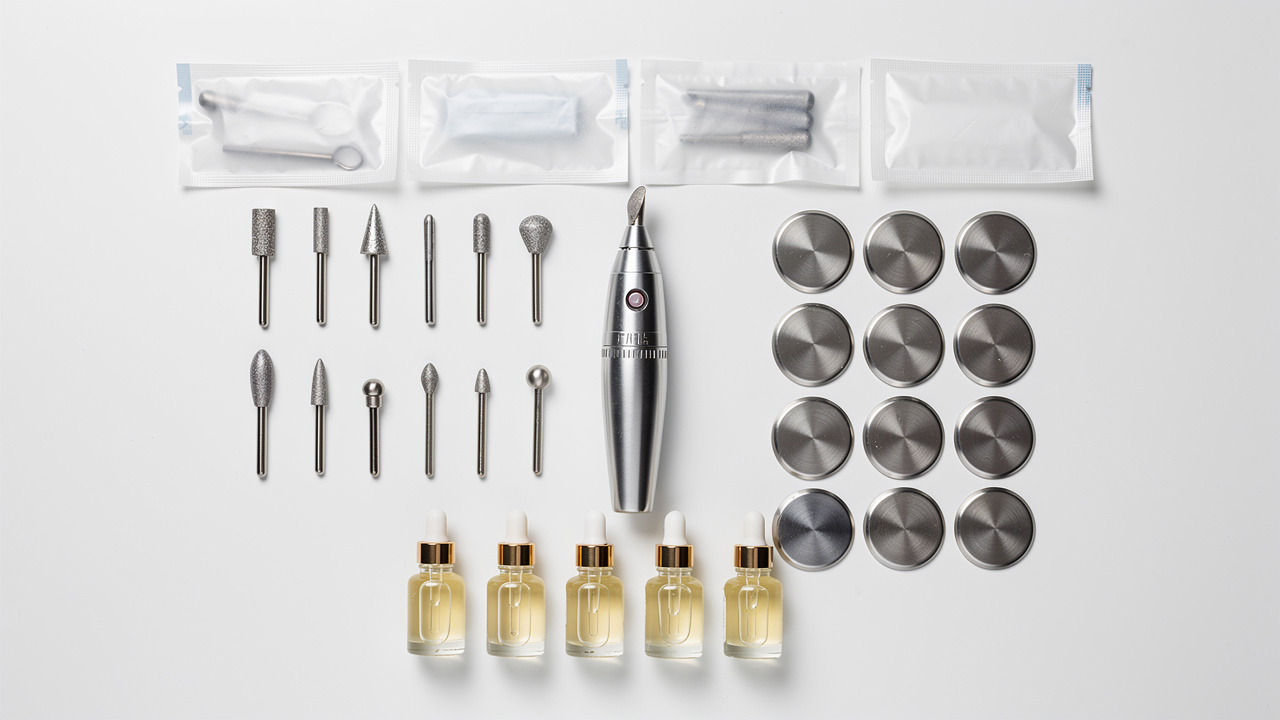
The refined look most people picture when they ask what a Russian pedicure is would not be possible with basic files and pumice stones. The effect comes from high‑grade tools used by someone who understands exactly how each one behaves on skin and nail.
The electronic file
The e-file is the heart of the service. This is a professional electric file with adjustable speed and forward or reverse options, not the low‑power devices sold for casual home use. A quality machine runs smoothly with almost no vibration, which keeps both the technician’s hand and your skin steady. That stability allows tiny adjustments in pressure that make the dry manicure technique so exact.
Specialized drill bits
On the end of the e-file, the technician attaches different bits for different tasks:
Diamond bits with very fine grit handle gentle jobs such as lifting the eponychium, cleaning along the nail folds, and brushing dead cuticle from the plate.
Ceramic bits tend to remove product without much heat, which helps protect the nail bed.
Carbide bits have sharp flutes that shave material away and are used by trained professionals for thicker gel removal or heavier skin work.
Shapes such as flame, needle, ball, barrel, and cone help the expert reach every curve safely.
Pedicure discs and hygiene standards
Some dry pedicure services use a metal disc with a disposable abrasive sticker for callus work. Ask whether single-use abrasives are discarded after each client and how reusable parts are processed. Practices vary by salon and local requirements; this description does not verify the procedures of any named business.
Russian pedicure vs. regular pedicure
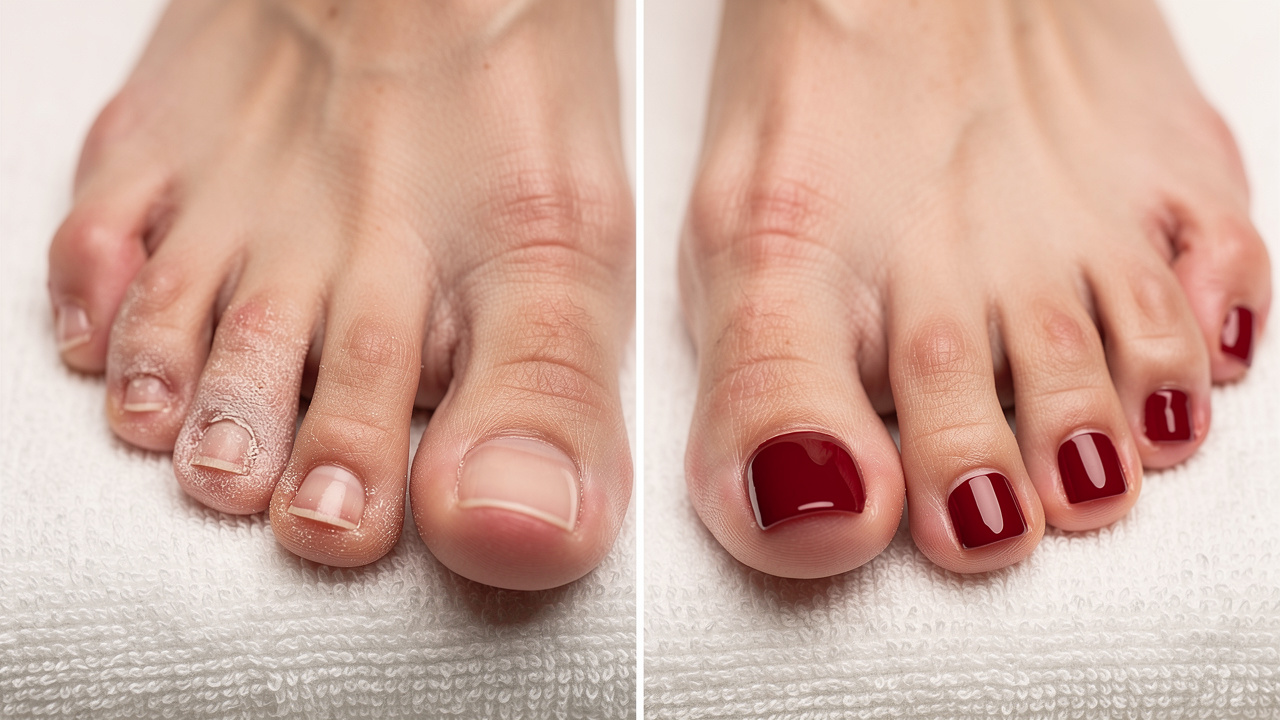
Both Russian and traditional pedicures make the feet look nicer, but they do it in very different ways. Understanding Russian pedicure vs. regular pedicure helps explain why the dry, e-file based approach has gained such a strong following.
| Feature | Russian pedicure | Traditional pedicure |
|---|---|---|
| Water use | Completely dry, no soaking | Starts with a warm foot soak |
| Cuticle care | E-file removes only dead tissue | Cuticles softened, pushed back, often nipped |
| Callus removal | Calluses polished with discs | Calluses rasped or shaved with files or blades |
| Hygiene | Tool-processing requirements vary by item and location. Ask the provider how reusable tools are processed and check current local rules. | Foot baths can spread germs if not cleaned well |
| Precision | Very high on dry skin and nails | Lower on swollen, water‑softened skin |
| Polish longevity | About three to five weeks of solid wear | Often chips within one to two weeks |
| Nail health | Eponychium preserved, nail not water‑logged | Soaking can weaken nails and rough cutting can hurt skin |
The big win for longevity comes from the dry method. Natural nails are porous and soak up water in a bath, which makes them swell. If gel or regular polish is applied on that swollen surface, it loosens once the nail shrinks back to normal size, so chipping starts sooner. A waterless pedicure keeps the nail firm from the start, so gel can bond far better to the plate.
That does not mean a regular spa pedicure has no place. A quick soak, scrub, and simple paint can feel relaxing before a vacation or event, especially if long wear is not a priority. Some clients also enjoy a traditional pedicure between more detailed Russian sessions, using it mainly as a light refresh. Still, the Russian method is a direct answer to the limits of soaking, scraping, and quick cuticle trims that fail to give long, clean wear.
Russian pedicure benefits
Once people understand what a Russian pedicure is, the next question is why so many choose it over older methods. The reasons line up well with what busy, appearance‑focused clients want from their nails and feet.
The results last far longer than with a regular pedicure, often three to five weeks before any real wear shows. Dry prep and deep under‑cuticle gel placement mean less lifting at the edges, so toes stay photo‑ready through workdays, workouts, and nights out. This suits professionals who cannot visit the salon every week.
The finish looks very clean and smooth, almost like an edited photo. Because the e-file removes every trace of dead cuticle from the plate and sidewalls, the color sits right against the skin line with no gaps. As the nail grows, that tidy frame makes regrowth less obvious, so the pedicure still looks neat even in week four.
A dry pedicure avoids a shared foot soak, but that fact alone does not establish that the service is safer. Tool handling, cleaning, disinfection or sterilization where required, and technique all matter. Ask how the salon processes each reusable item and what it uses once per client.
Nail and skin health improve over time because the method protects the living eponychium and polishes, rather than slices, calluses. This keeps the natural barrier around the nail intact so there is less risk of hangnails or infections. At the same time, gentle, layered reduction of thick skin helps prevent that hard, fast regrowth that often follows heavy scraping.
The technique works well for more complicated feet, not just perfect ones. Thick cuticles, deep sidewalls, rough heels, and slight ingrown tendencies all respond well to detailed e-file work done by a trained professional. Instead of hiding problems under polish, the service treats the cause at each visit in a safe, controlled way.
Because the finish lasts so long, clients need fewer salon visits across the year while still looking polished. A four to six week rhythm for Russian manicure and pedicure services usually keeps nails shaped, skin smooth, and color intact without feeling high maintenance.
Is a Russian pedicure safe?
What to look for in a qualified technician
Ask about the technician’s current license where required and any additional training for the service. You can ask how reusable tools are processed and whether abrasives are single-use. Local rules differ, so confirm requirements with your state or local licensing authority.
Questions to ask before your appointment
It is wise to ask direct questions before booking or at the start of the visit. Good examples include asking where the technician learned the Russian nail technique and how long they have used an e-file on clients. You can also ask how metal tools and bits are sterilized and whether pedicure disc abrasives are thrown out after every client. A confident professional will answer calmly and clearly, without becoming defensive.
Red flags during the service
During the service, the biggest red flag is pain. You should not feel sharp pinches around the nail, any burning from the e-file, or pressure that makes you pull your foot back. The nail should not look thin or red, and you should not see rings of fire on the plate. In a proper electric file pedicure the tool glides lightly and you feel only gentle vibration, so any strong discomfort is a sign to stop the service at once.
Aftercare tips to keep your Russian pedicure looking flawless
After understanding what a Russian pedicure is, the next step is learning how simple home care can stretch those results. Think of aftercare as the bridge between appointments that keeps nails and skin in the best shape.
The first 24 hours
For the first day, try to limit long, hot soaks in baths, hot tubs, or pools. Gel cures under the lamp, but letting it settle without extreme water exposure helps preserve the tight seal around the edges. Avoid scrubbing your feet with rough files or stones during this time, because the technician has already refined the skin very thoroughly.
Daily maintenance
Once the first day passes, a quick routine keeps your e-file pedicure looking new:
Apply a few drops of cuticle oil and massage it into each toenail area to keep the nail folds flexible and prevent tiny splits that can catch on shoes.
Follow with a good foot cream on heels and soles to slow down dry skin returning.
Gently pat feet dry after showers, especially between toes, to keep moisture and friction under control.
Many salons that focus on the best pedicure techniques offer professional oils and creams that match this kind of service.
Smart footwear and timing your next visit
Shoes also affect how long a Russian pedicure lasts. Breathable, well‑fitting shoes and clean socks each day keep sweat and friction in check, which helps both skin and gel color. Tight, pointed styles that squeeze the toes can press on the nail plate and shorten wear or trigger ingrown edges. For most people, booking the next Russian pedicure near me search result about every four to six weeks keeps feet in ideal shape without stressing the natural nail.
To close
By now, the idea behind what a Russian pedicure is should feel much clearer. It is a dry, waterless service built around controlled e-file work, precise cuticle care, and careful preparation of the nail plate. That mix gives a level of cleanliness, hygiene, and polish longevity that regular pedicures struggle to match.
Service names and licensing rules vary by country and region. If you are comparing salons, use local licensing guidance and ask the provider what the appointment includes. The “Russian pedicure” label alone does not establish a specific safety standard.
If glossy toes that stay perfect for weeks sound appealing, it may be time to experience this method in person. Studios that specialize in Russian nail technique, such as Xpert Russian Manicure Salon, show how powerful a careful dry approach can be. With the right expert and simple aftercare, feet can look polished and professional far beyond a single weekend.
FAQs
How long does a Russian pedicure take?
A Russian pedicure generally takes between ninety minutes and two hours. The exact timing depends on how much cuticle work, callus smoothing, and gel design the feet need. Skilled technicians do not rush, because the detailed prep is what gives the long‑lasting, clean result.
Is a Russian pedicure painful?
No, a properly performed Russian pedicure should not hurt at any stage. The e-file works only on dead cuticle and dry skin, using a light touch and the right speed. If you feel sharp pain, strong heat, or burning on the nail plate, that points to poor technique and the service should stop.
How often should you get a Russian pedicure?
Most clients schedule a Russian pedicure every four to six weeks. Gel color, nail shape, and skin smoothness usually hold up well for that length of time. Coming back in this window lets the technician maintain results without over‑filing the natural nail or letting calluses build up too much.
Can a Russian pedicure help with ingrown toenails?
A Russian pedicure can help reduce the risk of future ingrown toenails, but it is not a treatment for infected cases. Through careful cleaning of the sidewalls and removal of excess dead skin, the nail has more space to grow straight. If there is active pain, swelling, or infection, a medical professional should treat that before any pedicure.
Is a Russian pedicure good for sensitive skin?
Sensitivity and comfort vary from person to person. If you have irritated or broken skin, unusual foot symptoms, or a condition affecting sensation or healing, ask a healthcare professional before booking. Tell the technician about sensitivities and stop if the service becomes painful.
Can men get Russian mani pedi services?
Yes, of course we have many male clients who are regularly enjoying Russian manicures & pedicures. Visit our nail salon in Boston for Russian manicure and pedicure services.