

Are you wondering why your nails ache or feel sensitive after a fresh set of acrylics? Do you experience discomfort that goes beyond simple tightness, leaving you questioning the health of your nail beds? Understanding the root causes of this discomfort is the first step toward having comfortable, beautiful nail enhancements.
The discomfort from new acrylics often stems from the chemical hardening process, the technician’s application method, and the current health of your natural nails. This pressure or soreness is a common complaint, but it is not something you have to endure. With the right knowledge, you can identify the source of the pain and find effective methods. Understanding what your body tells you through these signals is very important.
This guide will explain the common reasons why your nails hurt after getting acrylics, how to tell normal tenderness from a serious problem, and what you can do to find relief. We will explore what’s happening at your fingertips to make sure your next manicure is a comfortable one.
Why your nails hurt after getting acrylics
The pain you feel after getting acrylics is often caused by the chemical reaction of the product as it hardens and tightens on your natural nail. When the liquid monomer and powder polymer are combined, they form a paste that is sculpted onto your nail. As this mixture air-dries, it undergoes a curing process where it shrinks, creating a firm bond. This contraction pulls on the surface of your natural nail, which in turn puts pressure on the delicate, nerve-rich nail bed underneath.
The nail plate itself is surprisingly delicate, protecting a rich network of nerves and blood vessels in the nail bed. Any external pressure or pulling directly affects these sensitive areas, leading to the discomfort you might feel. This feeling of tightness is a very common reason for fingernails sore after acrylics. For individuals new to enhancements or those with naturally thin nail plates, this sensation can be particularly noticeable.
Some people have naturally thinner nail plates or a lower pain threshold, making them more sensitive to this tightening feeling. The overall health of your nails before application also plays a significant role; weaker or already damaged nails are more prone to discomfort. The amount of product used also plays a part. A thicker layer of acrylic will shrink more as it cures, leading to more intense pressure.
What application mistakes cause acrylic nail pain?
Application mistakes that cause acrylic nails pain often include over-filing the natural nail, using too much product, and poor cuticle management. A highly skilled technician is trained to avoid these common errors, but a rushed or inexperienced application can lead to significant discomfort.
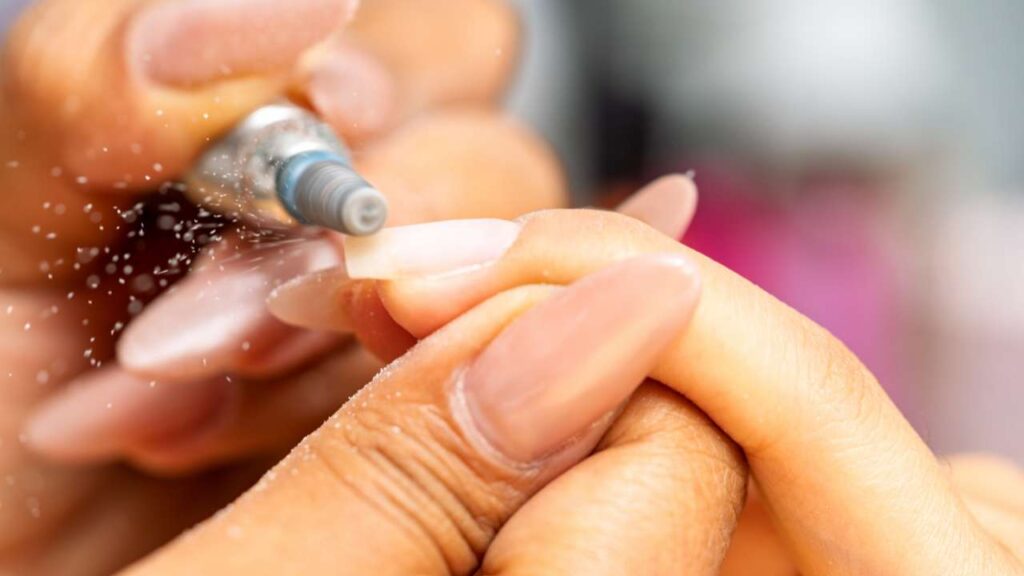
Over-filing is one of the most frequent culprits. Aggressive use of an electric file with a coarse grit or applying too much pressure can strip away protective layers of the nail plate. This thins the nail, leaving the underlying nail bed exposed and highly reactive to pressure, heat, and even minor bumps, making it hypersensitive to touch and pressure even before the acrylic is applied.
Another mistake is applying the acrylic too thickly. While it might seem like a thicker nail is stronger, the excess weight puts constant strain on your natural nail. Beyond the added tightening, excessive acrylic creates an unbalanced, heavy nail. This extra weight puts continuous mechanical stress on the nail matrix and the natural nail, especially at the stress points. This added bulk also magnifies the tightening sensation during the curing process, which can make nails throbbing after acrylic application feel much worse.
Poor cuticle work is a major source of pain. If acrylic is applied directly onto the skin or living cuticle tissue, it creates problems as the nail grows. The natural growth will slowly pull the hardened acrylic away from the skin, causing a persistent and painful tearing sensation. When acrylic touches the living skin around the nail, it can lift as the nail grows, creating painful gaps and potential entry points for bacteria. This is often called ““lifting”” and can also cause allergic reactions if the product makes prolonged contact with skin. It is important to distinguish between normal soreness and a more serious issue like an infection, which can arise from unsanitary tools or trapped moisture.
Normal tenderness versus signs of infection
| Symptom | Normal Tenderness (within 24-48 hours) | Signs of Infection (persists/worsens) |
|---|---|---|
| Pain Level | Mild, tight, or slight pressure | Intense, throbbing, or sharp |
| Duration | Resolves within 1-2 days | Lasts beyond 48 hours, or gets worse |
| Visual Cues | No redness or swelling | Redness, swelling, discoloration (green/yellow), odor |
| Feeling | Slight sensitivity to touch | Persistent itching, heat, or burning sensation |
How can you relieve and safely remove painful acrylic nails?
You can relieve mild acrylic nail pain at home with simple, effective methods like cold water soaks and proper hydration. For more severe discomfort or suspected infections, safe removal of the enhancement is the best course of action.
If your nails feel tight and sore within the first day or two, submerging your fingertips in a bowl of ice-cold water for five minutes can provide immediate comfort. The cold temperature causes vasoconstriction, which means blood vessels temporarily narrow. This can reduce inflammation and numb the nerve endings, offering quick, temporary relief.
After a cold soak, applying a high-quality cuticle oil around the nail can also help. The chemicals used during an acrylic application can dehydrate the surrounding skin, making it feel tight. Restoring moisture with oil can ease that feeling and promote flexibility. Regular application of a good cuticle oil (like jojoba or almond oil) moisturizes the nail plate and surrounding skin. This helps keep the natural nail flexible under the rigid acrylic, easing tension and preventing brittleness. According to a study published by the National Library of Medicine, maintaining skin hydration is a vital part of skin health. If the discomfort is distracting, a mild over-the-counter pain reliever, such as ibuprofen, can help manage tenderness during the initial curing period. Always follow dosage instructions and consult a doctor if pain persists.
If the pain is intense, persistent, or accompanied by the signs of infection listed above, you must remove the acrylics. Never pry, bite, or peel off an enhancement, as this can rip off layers of your natural nail and cause serious damage. If pain is severe, accompanied by throbbing, redness, swelling, pus, or a foul odor, it’s essential to visit a medical professional and have the acrylics professionally removed by a qualified nail technician. Do not attempt to self-diagnose or treat a suspected infection. A professional removal ensures the acrylic is dissolved properly without damaging your natural nail. They will use specialized products and techniques to gently lift the product, minimizing stress to your nail plate.
Safe at-home acrylic removal methods
Pure acetone foil wrap method: Start by filing the shiny topcoat off the acrylic to break the seal. Soak a cotton ball in 100% pure acetone, place it directly on the nail, and wrap the fingertip tightly with a small piece of aluminum foil. Let it sit for 20-30 minutes until the acrylic softens into a gel-like consistency that can be gently scraped away with a wooden cuticle stick.
Hot water expansion method: For those with sensitivities to acetone, this is a chemical-free option. Soak your fingertips in a bowl of very warm (not scalding) water for 20-30 minutes. The heat and moisture will cause the acrylic to expand slightly and can weaken the glue bond, allowing you to gently lift the edges with a wooden stick once they loosen.
Cuticle oil saturation technique: If your acrylics are already lifting at the edges, this method can help. Apply a generous amount of cuticle oil into the gaps between the acrylic and your natural nail. The oil helps to break down the adhesive while conditioning your nail, making removal easier.
Avoiding future acrylic nail discomfort
To avoid future pain from acrylics, it is important to choose a skilled technician who uses gentle techniques and maintains high sanitation standards. Prevention begins with selecting the right salon and professional.
Choosing a professional: Always research salons and technicians thoroughly. Look for those who prioritize sanitation, use high-quality, reputable products, and have a clear understanding of nail anatomy and health. Certifications, positive client reviews, and a clean, organized workspace are good indicators of a professional establishment. Ask about their sterilization protocols; tools should be sterilized or single-use.
Communication during your appointment: If you feel any pain, burning, or uncomfortable pressure while the technician is filing or applying the product, speak up immediately. A true professional will adjust their technique to make sure your comfort. Never feel shy about speaking up if something feels wrong.
Considering length and shape: The length and shape of your enhancements can also prevent discomfort. Extra-long or sharply pointed nails act as levers, and every accidental bump sends pressure straight to the nail bed, causing nail bed pain after acrylics. Shorter, more rounded or squoval shapes often experience less accidental trauma, which directly translates to less stress on the nail bed, making them more comfortable for daily activities.
Proper aftercare: This is essential for maintaining pain-free nails. Applying cuticle oil daily keeps your natural nails flexible under the rigid acrylic. Beyond daily cuticle oil, protect your hands with gloves when doing household chores or gardening. Avoid using your nails as tools. You must also commit to regular fills every two to three weeks. Fills rebalance the nail’s structure as it grows, preventing stress fractures and lifting that can lead to pain and infections. Consider taking a biotin supplement to support general nail health, though always consult a healthcare provider first.
Prioritizing your nail health and comfort with professional care
For a consistently pain-free experience, consider services that focus on preserving the health of your natural nails. Advanced techniques, such as those offered at Xpert Russian Manicure Salon, provide a durable and beautiful alternative to acrylics without the associated discomfort.
At Xpert Russian Manicure Salon, the focus is on preserving the nail’s natural structure. Their skilled technicians employ precision e-file work for gentle cuticle care, avoiding the traditional clipping that can lead to hangnails and discomfort. Products like strengthening builder gels provide a protective layer that is more flexible than traditional acrylics, reducing the tightening sensation and allowing for a healthier growth environment. This thoughtful approach bypasses aggressive filing and harsh acetone soaks, which often contribute to weak, sensitive nails over time. The result is a beautiful, durable manicure that supports your nail health rather than compromising it.
FAQ’s about acrylic nails hurts
Does acrylic nail pain mean infection?
Mild tenderness is typical, but intense, throbbing pain combined with redness, swelling, or any discharge can signal an infection.
How long should nails hurt after acrylics?
Normal tightening discomfort should go away within 24 to 48 hours. Pain that continues beyond this period suggests an issue with the application.
Can tight acrylic nails cause permanent damage?
Persistent tightness and pressure can lead to nail plate separation, thinning, and potential nail bed trauma if left unaddressed.
Why do my fingernails ache when pressed after acrylics?
This usually indicates over-filing, which thins the natural nail and exposes sensitive nerve endings in the nail bed underneath.
What is the distinction between acrylics and builder gel concerning nail pain?
Acrylics undergo a chemical shrinking process that can cause tightness. Builder gels are more flexible and cure under an LED light, often with less pressure.
Can acrylic nails cause fungal infections?
Yes, if moisture becomes trapped between the acrylic and your natural nail, or if unsanitary tools are used, it can create a breeding ground for fungal infections. Proper application and maintenance are key to avoiding this.
What should I do immediately if I experience severe pain?
If the pain is severe or accompanied by signs of infection, contact your nail technician immediately to schedule a professional removal. For medical concerns, consult a doctor.
Understanding pain-free nail care
Understanding the causes of acrylic nail pain allows you to make informed choices about your nail care. By seeking out well-trained technicians, openly communicating your needs, and committing to proper maintenance, you can enjoy beautiful nail enhancements without discomfort. Prioritizing the health of your natural nails is the key to lasting beauty and comfort, making sure your hands feel as good as they look.