

How to Strengthen Nails After Gel Nails?
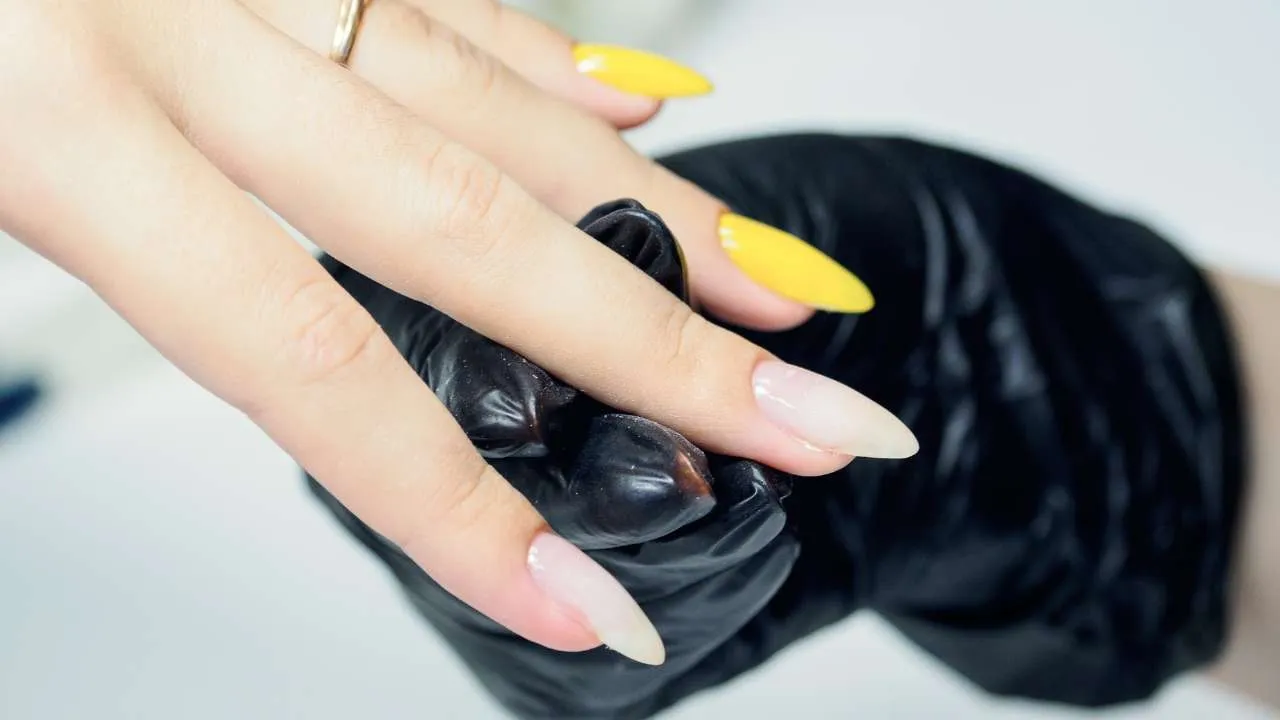
Do your nails feel thin and weak after removing gel polish? Are you tired of them peeling and breaking just when you want them to look their best? Many people struggle with nail damage after enjoying a long-lasting manicure.
This is a common frustration, but it is not a permanent state. You can restore your nails to their former strength. To effectively strengthen nails after gel, prioritize gentle removal techniques, commit to daily cuticle oil application for deep hydration, keep nails short and filed with a glass file, and consider using a quality nail strengthener alongside proper nutrition.
This guide provides expert-backed, practical steps to help you learn how to strengthen nails after gel nails. We will cover everything from safe removal and intensive hydration to protective measures that promote healthy regrowth. Let's begin the process of rebuilding your nails.
The root problem of gel-damaged nails
To prevent this damage, the recovery process must start with correct and gentle removal methods. Professional removal is the safest path to preserving the integrity of your nails. A trained technician will gently file the shiny top coat to break the seal, then use acetone-soaked cotton to dissolve the gel. This chemical breakdown allows the polish to slide off without damaging the nail underneath, setting the stage for effective nail recovery after gel removal.
Why hydration is key for nail recovery
Hydration is a core element of nail recovery because both gel polish and the acetone used for removal severely dehydrate the nail plate. This process strips away natural oils, leaving the nails dry, brittle, and fragile. Reintroducing intensive moisture is necessary to restore the nail’s natural flexibility and prevent it from snapping under daily pressure. Without proper hydration, your efforts to grow stronger nails will be less effective.
Applying cuticle oil is the most direct way to deliver restorative moisture. Consistent daily application has been shown to improve nail flexibility by up to 20% and significantly reduce instances of breakage over a two-month period. The key is to massage the oil thoroughly into the cuticle area, which covers the nail matrix. This is where new, healthy nail cells are generated, and nourishing this zone ensures that new growth is fortified from the start. Jojoba oil is particularly effective because its molecular structure closely resembles the skin's natural sebum, allowing it to penetrate more deeply than other oils. Regularly massaging the cuticles not only promotes hydration but also stimulates blood flow, further aiding in healthy nail growth.
Top ingredients for nail hydration
Jojoba oil. This oil is a top choice for nail care because it penetrates deeply into the nail plate to deliver intense moisture. Its structure is very similar to the natural oils produced by your skin, making it highly compatible and effective for restoring brittle nails after gel polish. Its ability to mimic natural sebum makes it a powerful emollient that can reach the deeper layers of the nail plate.
Avocado oil. Rich in oleic acid and essential vitamins (like Vitamin E and D), avocado oil has strong emollient properties that soften and moisturize the nail and surrounding skin. It helps repair the skin's barrier and provides deep nourishment to combat the dryness caused by gel removal, promoting overall nail health.
Apricot kernel oil. This lightweight oil is packed with essential fatty acids and Vitamin E, which help to nourish and strengthen weak nails. It absorbs quickly without leaving a greasy residue, making it a convenient option for daily application to help fix damaged nails after gel. It is known for its ability to soften the nail and improve its elasticity.
Cactus flower extract. Known for its ability to retain moisture in harsh environments, cactus flower extract is an excellent ingredient for nail serums. It helps draw moisture into the nail plate and surrounding skin, providing lasting hydration that is vital for nail repair after gel nails. This ingredient acts as a humectant, pulling moisture from the air into your nails.
Practical steps for protecting and managing recovering nails
Implementing a "mini manicure" routine every two to four days is also a great practice for structural maintenance. This involves gently filing the sidewalls and free edges to smooth out any tiny snags before they can develop into deep tears. Using the right tool is important for this task. A glass file is often recommended for recovering nails because it seals the keratin layers at the edge of the nail, preventing the shredding that can occur with traditional emery boards. This creates a smoother, more resilient edge that is less prone to catching and splitting.
Comparison of nail filing tools
| Tool Type | Benefits | Recommended Use |
|---|---|---|
| Glass file | Seals keratin layers, prevents shredding | Daily smoothing of free edge |
| Fine-grit emery board | Good for shaping and light buffing | Occasional use, avoid aggressive filing |
| E-file | Precise debulking, professional use only | Safe product removal, cuticle care |
Supporting nail health with topical treatments and internal nutrition
Supporting nail health requires a two-part approach using topical treatments for an external shield and internal nutrition to build strong nails from the inside. When leaving nails completely bare is not an option, a high-quality nail strengthener can provide a protective layer. Look for formulas with ingredients like horsetail extract, a natural source of silica, and biotin, which helps bind weak points to prevent peeling. These can be worn alone for a clean look or as a base coat under regular polish.
Biotin, or Vitamin B7, also supports the metabolic processes that build nail tissue, though it is most effective for those with a deficiency. Incorporating biotin-rich foods like wild-caught salmon, avocados, sweet potatoes, and nuts into your diet provides a natural way to support nail health. Consider supplements only after consulting a healthcare professional to determine if a deficiency exists.
How Xpert Russian Manicure Salon supports your nail recovery
At Xpert Russian Manicure Salon, we prioritize the health and integrity of your natural nails. Our approach to nail recovery begins with exceptionally gentle product removal using specialized e-files. This technique allows us to shave down old product without harsh chemicals or abrasive filing on the natural nail, minimizing acetone exposure.
Tool-processing requirements vary by item and location. Ask the provider how reusable tools are processed and check current local rules.
Achieving healthy nails: a commitment to care
Achieving strong, healthy nails after gel manicures is a process that requires patience and a consistent commitment to informed care. It is not about a single quick fix but about adopting a routine that nurtures your nails back to health. By focusing on gentle practices, deep hydration, and protective measures, you can successfully restore their natural resilience.
Prioritizing professional techniques and a dedicated at-home routine will lead to lasting strength and beauty. Your commitment to this careful process will reward you with nails that are not only beautiful but fundamentally healthy.
FAQ's about damaged gel nails
How long does it take for nails to recover after gel?
Recovery time can vary based on the extent of the damage, but it typically takes three to six months for a completely new nail to grow out. The average human nail grows approximately 3.5 mm per month. Consistent care and following a strengthening routine can help speed up this process considerably.
Can weak nails ever be truly strong again after gel?
Yes, they can. With a dedicated routine that includes proper removal, intensive hydration, protective management, and good nutrition, your nails can fully recover their natural strength and resilience over time. Patience and consistency are key.
Is it okay to put regular polish on damaged nails?
It is best to take a short break from all polish immediately after gel removal to allow the nail plate to rehydrate and breathe. If you do want to wear polish, always use a high-quality, fortifying base coat to protect the nail surface and support its repair.
What are "rings of fire" and how can they be avoided?
"Rings of fire" are red, painful marks on the nail plate caused by aggressive or improper use of an e-file, which can damage the nail matrix. They are avoided by seeking services from a trained and certified professional who uses controlled, precise techniques. Always confirm your technician's qualifications.
Should i take biotin supplements for nail strength?
Biotin can be beneficial for nail strength, particularly if you have a documented deficiency. It is wise to consult a medical professional for bloodwork to determine if you need a high-dose supplement before starting a new regimen. Self-diagnosis and indiscriminate supplementation are not recommended.