

How to Take Off Acrylic Nails Without Acetone?
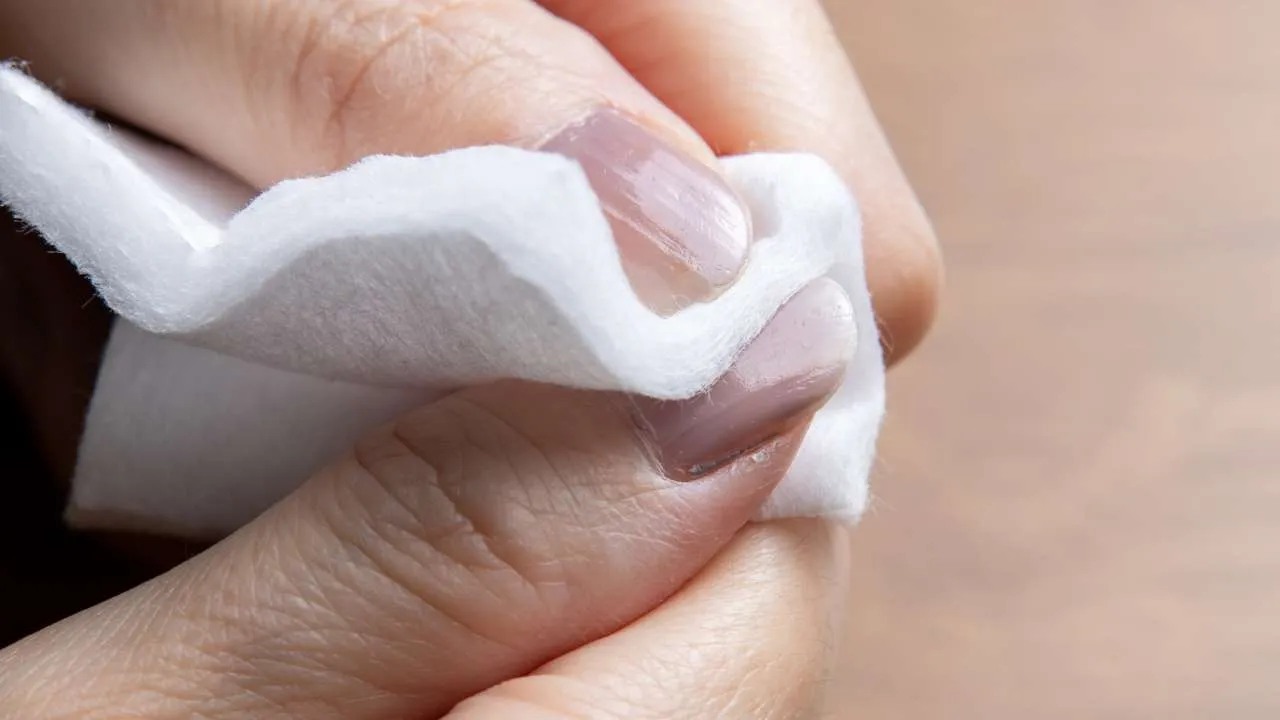
Short answer: Cured acrylic is hard to remove without acetone. The safe acetone-free options are professional filing, letting acrylic grow out with careful maintenance, or, for press-ons, the maker's release method. Warm soapy water rarely dissolves cured acrylic, and prying or picking damages the natural nail.
Cured acrylic enhancement is difficult to remove without acetone. An acetone-free option is to have a qualified professional file it down, or let it grow out with careful maintenance; do not pry, pick, or force it off. Press-on nails attached with adhesive are a different product and may release with the maker’s instructions, but stop if they resist or removal hurts. Warm water alone does not dissolve cured acrylic.
The desire for gentle removal and understanding acetone concerns
The standard method for removing acrylic nails in many salons involves soaking them in acetone, a strong solvent that dissolves the tough acrylic polymer. While effective, this common practice has several disadvantages that lead people to search for alternatives. The main concern is the impact on natural nail health. Acetone can dry or irritate surrounding skin. Repeated exposure may leave nails feeling dry, but this does not establish that acetone alone caused lasting brittleness, weakness, peeling, or breakage.
Acetone can dry or irritate surrounding skin, and filing can also affect the natural nail if it is too aggressive. The appropriate method depends on the product and nail condition; this article does not provide a universal removal protocol.
Gentle removal means matching the method to the product. Press-on nails and cured acrylic are different: adhesive press-ons may release according to their maker's directions, while cured acrylic generally requires acetone or careful filing. Do not pry either product from the natural nail.
Acetone-free acrylic removal: options and limits
For cured acrylic, acetone-free home soaks do not dissolve the product. The non-prying options are professional filing or allowing the enhancement to grow out with appropriate maintenance. Adhesive press-ons are different; follow their maker’s removal instructions.
Cured acrylic does not dissolve in water, oil, or non-acetone polish remover. Without acetone, the options are to have a qualified professional file the product down or to let it grow out with appropriate maintenance. Do not try to create a gap under lifted acrylic or file close to the natural nail at home. Adhesive press-ons are a different product; follow the maker’s removal instructions and stop if they resist or hurt.
Some press-on adhesives may respond to water or a remover specified by the maker; cured acrylic does not dissolve in warm water. Do not force either product off.
Non-acetone polish remover is not a universal way to dissolve cured acrylic. For press-ons, use only the maker’s directions and stop if there is resistance or pain.
Oil may condition surrounding skin, but it should not be presented as dissolving cured acrylic or making it safe to pry off. Do not insert tools under a lifted enhancement. Seek professional removal if it catches, hurts, or remains firmly attached.
What to know about removing acrylic nails without acetone
Cured acrylic may be filed down or softened with acetone, depending on the professional method. Acetone-free removal is not a reason to pry or pick product from the natural nail; ask a qualified nail professional about options for your set.
Aftercare and frequently asked questions
Taking off your acrylics successfully is only half the effort. Even gentle at-home methods or professional services need a specific aftercare routine to help your natural nails recover and get strong again. Good care after removal is basic to making sure your nails stay healthy and beautiful.
Essential post-removal care regimen
After removal, your nails may need time to grow out if they are thin, rough, or tender. Nails do not need a scheduled enhancement break to breathe; take a break when it improves comfort or gives you time to monitor changes. Moisturizer or cuticle oil can help condition surrounding skin. If nails remain painful or visibly damaged, seek professional or medical advice.
If the nail surface feels rough after removal, avoid aggressive buffing. Keep nails at a comfortable length and moisturize surrounding skin. A base coat may provide a temporary coating, but it does not repair or rebuild the nail plate. Seek advice for persistent pain or visible damage.
Common questions about acrylic nail removal
Here are answers to some common questions people have when considering how to remove nails without acetone.
Question: Can all types of fake nails be removed without acetone?
Press-on nails and cured enhancements are different products. Follow the press-on maker’s adhesive and removal instructions; do not apply those steps to cured acrylic, gel, or other enhancements. If a product resists or removal hurts, stop and consult a qualified professional.There is no dependable at-home soak time for removing cured acrylic without acetone. Press-on removal time varies by adhesive and product; follow its instructions and do not pull or pry.
Question: What are the signs of nail damage during or after removal?
Stop if removal hurts or the product resists. Persistent pain, visible thinning, separation, or other nail changes deserve assessment. Dryness or sensitivity after a service does not by itself identify damage or establish a required recovery routine.
Final thoughts
This article does not rely on an unverified expert quotation. Cured acrylic is difficult to remove without acetone; do not pry or pick it off.
Acetone-free options compared
| Method | Works for | Notes |
|---|---|---|
| Professional file-down | Cured acrylic | Done by a trained technician. Safest acetone-free route, and still needs care |
| Growing it out | Acrylic in good condition | Slow, and the set needs fills or trimming so it does not snag or lift |
| Warm soapy soak | Acrylic that is already lifting | Slow and often ineffective on a firmly bonded set. Never pry |
| Press-on removal per the maker | Adhesive press-ons | Different product from acrylic. Follow the label |
| Acetone foil wraps | Cured acrylic | The standard method. See acrylic nails removal to limit drying |
Reducing the drying effect of acetone
If you do use acetone, keep it on the nail only with a cotton-and-foil wrap, protect the skin with petroleum jelly or cuticle oil first, and moisturize straight afterwards. Short, supervised soaks beat long ones.
Can I use nail polish remover instead of pure acetone?
Ordinary polish remover is usually diluted and acts slowly on acrylic, which tempts people to scrape. Pure acetone works faster with less force.
Related guides
More in this topic: Acrylic Nails guides.