

Shellac vs Gel Nails: Complete Guide to Choosing Wisely
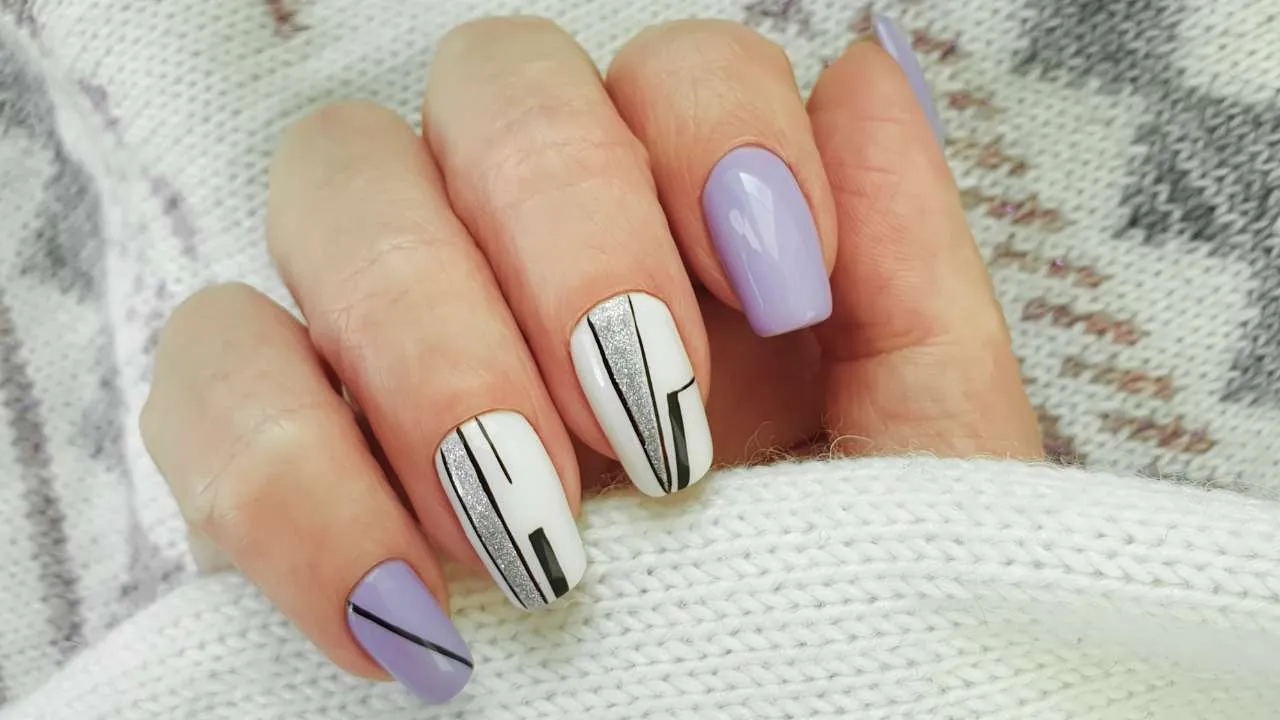
Think of your nails as the finishing touch to your professional presence, the detail that completes your handshake, frames your gestures during presentations, and speaks volumes before you say a word. For busy professionals juggling client meetings, networking events, and daily demands, maintaining polished nails shouldn't feel like a full-time job. Yet the beauty industry's terminology can feel like a foreign language, especially when you're trying to decide between two popular options: Shellac and gel.
Here's the truth: these aren't interchangeable terms, despite how often they're used that way. The difference between Shellac and gel isn't just marketing speak, it's chemistry, durability, and the health of your natural nails. One is a hybrid formula designed for a natural look and gentle wear, while the other offers maximum durability and creative versatility. Choosing the wrong option for your lifestyle can mean wasted time, money, and potentially compromised nail health.
In this guide, we'll break down exactly what sets these two manicure types apart. You'll learn about their distinct chemical compositions, how long each truly lasts in real-world conditions, what the removal process means for your nail health, and most importantly, how to match your choice to your specific lifestyle and aesthetic goals. We'll also explore how advanced application techniques, like the precision-focused Russian manicure method, can dramatically extend the life and beauty of either option. By the end, you'll have the knowledge to walk into any salon and confidently request the service that's genuinely right for you.
What is Shellac nails?
Shellac isn't just another name for gel polish, it's a specific, patented product created by Creative Nail Design (CND). This distinction matters because authentic Shellac has a distinctive chemical makeup that sets it apart from every other product on the market. The formula is a true hybrid: 50% traditional nail polish combined with 50% gel. This innovative blend allows it to apply as smoothly and thinly as your favorite regular polish while delivering the chip-resistant durability and high-gloss shine that gel products are known for.
The result is a finish that looks remarkably natural. Shellac creates a thin, flexible coating on your nails that moves with them rather than sitting on top like a rigid shell. This flexibility is key for those who prefer an understated, polished look rather than the thicker, more sculpted appearance of pure gel. The authentic CND line offers approximately 116 carefully curated shades, ranging from classic nudes and soft pinks to bold statement colors.
One of Shellac's biggest advantages is how gently it treats your natural nails during application. Unlike some gel systems that require aggressive buffing or filing of the nail surface to create "tooth" for adhesion, Shellac bonds effectively with minimal preparation. This means less trauma to your nail plate and a lower risk of thinning over time.
The application process involves the same UV or LED curing that gel requires, each layer is exposed to ultraviolet light, which activates the photoinitiators in the formula and causes instant hardening. This means you walk out of the salon with completely dry, smudge-proof nails. No waiting, no worrying about denting your fresh manicure while digging for your car keys.
What is gel polish nails?
When nail professionals talk about "gel polish," they're referring to pure gel formulas, products made entirely from acrylic monomers and oligomers that cure under UV or LED light. Popular brands include Gelish, OPI GelColor, and dozens of others, each with slightly different formulations but all sharing the same fundamental chemistry. Unlike Shellac's hybrid nature, these are 100% gel products, which gives them distinctly different properties.
The consistency of gel polish is noticeably thicker and more viscous than Shellac. This isn't a flaw, it's a feature. That extra body allows gel to do things Shellac simply can't:
Fill in minor ridges and imperfections on the nail surface, creating a smoother canvas
Add subtle structural reinforcement to weak or flexible nails
Create slight extensions or sculpted shapes in the hands of a skilled technician
The aesthetic result is equally distinct. Gel polish delivers an ultra-glossy, almost glass-like finish with deeper color saturation. The thicker application creates what many describe as a "plump" or "sculpted" look, your nails appear more perfected and polished than they do with the thinner Shellac coating. For those who love a high-impact, glamorous manicure, this is exactly what they're after.
The color options with gel polish are virtually limitless. Across various brands, you'll find 300 to 400+ shades, plus endless possibilities for nail art, ombré effects, and creative designs. This versatility makes gel the go-to choice for clients who view their nails as a form of self-expression.
For those seeking even more protection and strength, there's BIAB (Builder in a Bottle). This specialized soft-gel product is thicker than standard gel polish and is specifically formulated to act as a protective shield over natural nails. BIAB allows you to grow your nails longer without the breakage that typically occurs at a certain length, making it ideal for anyone recovering from damage or trying to achieve greater length naturally.
Durability and longevity: How long each option lasts
The wear time of your manicure isn't just about aesthetics, it's about practicality, cost-effectiveness, and how often you need to carve time out of your schedule for salon visits.
Shellac typically maintains its flawless appearance for 10 to 14 days. After that two-week mark, you may start to notice the hybrid formula beginning to break down slightly or lose its bond with the nail plate. This doesn't mean it suddenly chips everywhere, but you might see minor tip wear or slight lifting at the cuticle line. For many professionals, this timeline works perfectly, it aligns with a biweekly salon visit that feels manageable and keeps nails looking consistently fresh.
Gel polish, on the other hand, is built for the long haul. Most clients enjoy 2 to 3 weeks of pristine wear, and it's not uncommon for a professionally applied gel manicure to look salon-fresh for up to 4 weeks. The pure gel formula creates a more resilient, chip-resistant seal that stands up to daily wear and tear with remarkable staying power.
Why the difference? It comes down to molecular structure. The pure gel's tightly bonded polymer chains create a harder, more durable surface than Shellac's hybrid composition. However, both products share a common enemy: prolonged exposure to hot water. Long baths, steamy showers, or doing dishes without gloves can weaken the bond between the product and your nail. The heat causes the nail plate to expand slightly, and repeated expansion and contraction eventually compromise adhesion.
"The key to extending any manicure's lifespan is protecting your hands during water-intensive activities. Small habits make a significant difference."
To maximize the lifespan of either manicure type, protect your hands during water-intensive activities. Wear gloves for household chores, and try to keep hand-washing quick and with lukewarm rather than hot water. These small habits can add several extra days to your manicure's life. Additionally, salons that use advanced preparation techniques, like the dry method employed in Russian manicures, create optimal conditions for product adhesion, often extending wear time significantly beyond industry averages.
Removal process and nail health
Here's something most people don't realize: the removal process, not the application, poses the greatest risk to your nail health. This is where the difference between Shellac and gel becomes absolutely critical, especially if you have thin, sensitive, or previously damaged nails.
Shellac removal is designed to be gentle and efficient. The hybrid formula is engineered to "release" from the nail plate when exposed to acetone, typically within 15 to 20 minutes. The process is straightforward: your technician wraps each nail in an acetone-soaked pad, waits for the product to break down, and then gently slides it off. Because the bond isn't as intense as pure gel, there's minimal need for mechanical filing or scraping. This means virtually no risk of thinning your natural nail plate or causing dehydration and damage to the nail bed. For anyone with compromised nails or concerns about long-term nail health, this gentle removal process is a significant advantage.
Gel polish removal is more intensive. Because pure gel creates such a strong, non-porous seal, the removal process requires more time and technique:
The technician must file through the shiny top coat to break the seal
This allows the acetone to penetrate the layers beneath
The soaking process typically takes 30 to 40 minutes or longer
Some mechanical removal is usually necessary to clear away the softened gel
This is where technique becomes everything. An inexperienced or rushed technician might be tempted to pry or scrape aggressively, which can cause significant damage, thinning the nail plate, creating grooves, or even causing painful trauma to the nail bed. A skilled professional, however, will thin the product carefully with controlled filing, allow the acetone to do most of the work, and remove the softened gel with gentle pressure using a wooden stick or specialized tool.
At Xpert Russian Manicure Salon, we take removal seriously. Our technicians are trained to protect your natural nail plate at all costs, using precise e-file techniques to thin the product layer by layer and giving the acetone adequate time to break down the remaining gel. We never pry or force product off the nail, a practice that should be an absolute dealbreaker when choosing a salon. This careful approach means you can enjoy the benefits of gel without compromising the health of your natural nails over time.
How to choose the right nails option for your lifestyle
The decision between Shellac and gel isn't about which is "better", it's about which is better for you. Your ideal choice depends on several factors: your aesthetic preferences, your daily activities, your nail health, and how often you're willing to visit the salon.
Choose Shellac if:
You prefer a thin, natural-looking finish that doesn't add bulk to your nails
You have sensitive, thin, or previously damaged nails that need gentle treatment
You want a quick, low-risk removal process that won't compromise your nail health
You like to change your nail color frequently, ideally every 1 to 2 weeks
You work primarily in low-impact environments like offices, where your hands aren't subjected to constant physical stress
You value a polished but understated aesthetic that looks like "your nails, but better"
Choose gel if:
You need maximum durability and want your manicure to last 3 to 4 weeks without touch-ups
You have a hands-on job or active lifestyle that's hard on your nails, think healthcare workers, parents of young children, or anyone who uses their hands extensively throughout the day
You want access to a broader range of colors, finishes, and nail art possibilities
You're interested in slight structural reinforcement or even extensions to add length
You have strong, healthy nails that can tolerate the more intensive removal process
You prefer a thicker, more "perfected" nail appearance with maximum shine
For those who want the best of both worlds, gel's durability with added nail protection, consider asking your technician about hard gel overlays or BIAB. These options provide extra strength without dramatic length changes, making them ideal for growing out damaged nails or simply adding resilience to naturally flexible nail plates.
Summary
The choice between Shellac and gel comes down to understanding what each offers and matching that to your specific needs. Shellac is your hybrid option, a perfect middle ground that delivers better wear than traditional polish with a natural aesthetic and gentle removal. Gel is your durability champion, a pure gel formula that stands up to weeks of wear and offers creative versatility, though it requires more intensive removal care.
Both options can be safe, beautiful, and long-lasting when applied and removed by skilled professionals who prioritize your nail health. The key is finding a salon that uses advanced techniques, like the precision-focused Russian manicure method, to maximize adhesion, extend wear time, and protect your natural nails throughout the process. At Xpert Russian Manicure Salon, our dry preparation technique and careful cuticle work create the ideal foundation for either Shellac or gel, maintaining your manicure's flawless appearance for weeks while supporting long-term nail health.
Now that you understand the real differences between these two popular options, you can make an informed choice that supports your lifestyle, aesthetic goals, and nail health priorities. Your nails deserve the same level of thoughtful care you bring to every other aspect of your professional and personal presentation.
FAQs about shellac vs gel nails
Is Shellac the same as gel?
No, Shellac is not the same as gel, though they're related. Shellac is a specific brand of hybrid polish created by CND, combining 50% traditional nail polish with 50% gel. Gel polish refers to pure gel formulas made entirely from acrylic monomers and oligomers. All Shellac is a type of gel product, but not all gel products are Shellac. The distinction matters because they have different wear times, removal processes, and aesthetic results.
Which is better for weak or damaged nails?
Shellac is generally the better choice for weak, thin, or damaged nails due to its gentler removal process. Because it releases easily with acetone soaking and requires minimal filing or scraping, there's significantly less risk of further compromising fragile nails. Gel's more intensive removal process, which requires filing through the top seal and longer soaking times, can potentially cause additional thinning if not performed by a highly skilled technician. That said, a consultation with an experienced nail professional can help determine the best approach for your specific situation.
Can I switch between Shellac and gel?
Yes, you can safely switch between Shellac and gel as long as proper removal techniques are used each time. The key is making sure that the previous product is completely and gently removed without damaging your natural nail plate. If you experience any sensitivity, dryness, or thinning, consider giving your nails a brief rest between services, though this "breathing" period is more about recovery from potential removal trauma than an actual need for nails to be polish-free. Professional removal is essential when transitioning between products to prevent damage.
Do I need to let my nails "breathe" between manicures?
This is a persistent myth. Your nails are made of dead keratin cells (similar to hair) and don't actually require oxygen or "breathing" time. However, the cuticles and nail beds underneath are living tissue that need proper hydration and gentle care. Rather than taking breaks from polish, focus on using quality cuticle oils daily and making sure that every manicure is applied and removed professionally. Damage comes from improper technique, especially aggressive removal, not from continuous polish wear. If your nails feel weak or damaged, the issue is likely the removal method, not the presence of polish itself.