

What Are Builder Gel Nails?
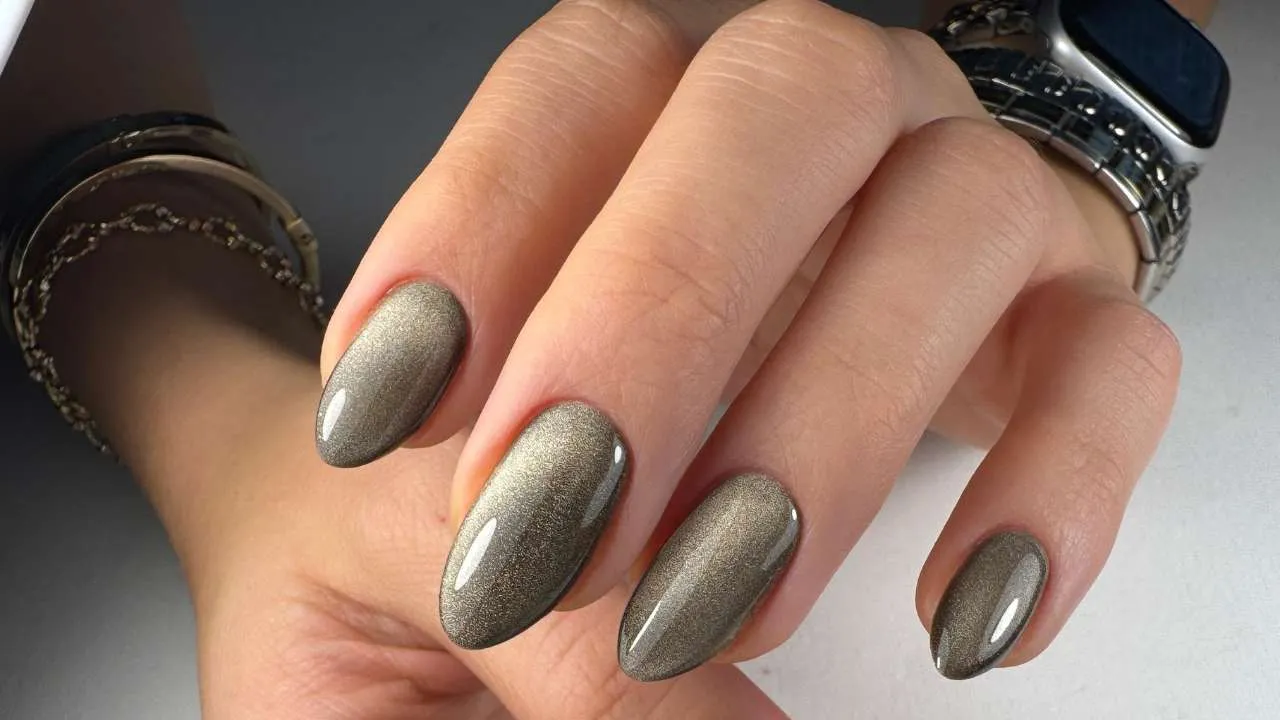
Short answer: Builder gel is a thick, lamp-cured gel used to add strength and structure to natural nails or to build extensions. Some types soak off and others, such as hard gel, are filed off. It suits people who want a protective overlay with a light feel, and it does not treat nail conditions.
Builder gel is a thicker, structure-building gel used for overlays and, depending on the product, extensions. It is cured under a UV or LED lamp. “Builder gel” does not identify one removal type: some formulas are soak-off, while hard gels are generally file-off. Check the exact product instructions before choosing a removal method.
Builder gel is one option for adding structure or length, but it does not treat brittle nails or guarantee stronger natural nails. The product and removal type vary, so identify the formula before choosing a service or removal method.
Natural nails do not breathe through the air. A gel coating does not improve nail health by allowing oxygen through it; nail condition can be affected by product use, application, wear, and removal.
This guide explains what builder gel is, how its formulas differ, and what to consider about application, maintenance, and removal. It is a cosmetic enhancement, not a treatment for nail problems.
What is builder gel and how does it work?
Builder gel nails are a specialized nail enhancement product designed to add strength, structure, and length to your natural nails. Unlike regular gel polish, which is thin and primarily used for color, builder gel has a thick, viscous consistency that allows it to be sculpted and shaped. This makes it a structural product rather than just a cosmetic one.
Builder gel is a functional product description, not one single removal class. Products marketed as builder gel can be soak-off soft gel or hard/file-off gel; some brands also use “structure gel.” Read the manufacturer’s label and instructions rather than inferring removal from the name or packaging.
When the product is cured with the specified lamp, the liquid gel hardens into a coating on the natural nail or extension. It sits on the nail surface; it does not become part of the natural nail or guarantee a protective effect.
What sets builder gel apart from regular gel polish is both its purpose and its physical properties:
Regular gel polish is designed purely for color and shine, with a thin consistency that requires multiple coats
Builder gel is formulated to add structure; viscosity and application limits vary by product.
Depending on the product, builder gel may be used for an overlay or as part of an extension service.
Builder in a Bottle (BIAB) describes a brush-on format used by some brands. Product names, formulas, and application directions vary; the label does not determine whether a gel is soak-off or file-off.
Builder gel is available in various finishes to suit different preferences and styles. Clear versions provide invisible strength, while nude, milky pink, and sheer white shades create a polished, natural look that's perfect for professional settings. These shades can be worn alone for a sophisticated appearance or used as a base for additional gel polish colors.
Why choose builder gel over other nail enhancements?
Builder gel may suit someone seeking a structured overlay or extension, depending on the formula, nail condition, and desired result. It is not inherently healthier or more comfortable for everyone.
Structure: Builder gel can create an overlay or extension, depending on the formula and application. It does not repair a damaged nail or ensure that the natural nail grows longer or stronger under the product.
Feel: How an enhancement feels depends on the formula, thickness, length, application, and individual preference. Do not assume that every builder gel is lighter, more flexible, or less likely to lift than acrylic.
Appearance: Builder gel can be finished in different colors and shapes. The result depends on the formula, application, and personal preference; it is not always thinner or less noticeable than other enhancements.
Maintenance: There is no fixed wear time for builder gel. Follow the product and provider’s maintenance guidance and seek attention if the product lifts, cracks, or causes discomfort.
Builder gel is a cosmetic enhancement, not a treatment for nail damage. Covering brittle, soft, or damaged nails may hide changes and can make some nail problems worse; consider a clinician’s advice if nail changes persist.
A gel overlay does not make a nail “breathe” or supply it with oxygen. Do not use breathability as a health benefit. Nail condition can be affected by the product, preparation, wear, and removal.
Depending on its label and the manufacturer’s directions, a builder gel may be used for an overlay or extension, for example:
An overlay that adds a layer of structure without adding length
Used with tips to create moderate extensions
Sculpted with forms to build dramatic length from scratch
Whether the product is suitable depends on the person’s nail condition and the specific formula.
Wear and maintenance depend on the specific formula, application, nail growth, and aftercare. Dry preparation does not guarantee adhesion or eliminate lifting, cracking, or breakage.
How are builder gel nails applied professionally?
Application steps depend on the formula, the nail service, and the manufacturer’s instructions. The product should be kept off surrounding skin and cured with a compatible lamp using the specified schedule. Uncured gel on the skin or incomplete curing can cause problems; ask the provider which product and lamp system they use.
Preparation, base products, structure, extension methods, and finishing steps are not identical across builder gels. An apex or other structural shaping may be used for some overlays or extensions, but its placement and shape depend on the nail and product; it cannot prevent every bend, break, crack, or lift.
Follow the exact product instructions for application, curing, and removal. Do not infer a formula’s steps or removal type from the term “builder gel.”
Maintaining and removing builder gel nails safely
Proper maintenance and safe removal are just as important as the initial application when it comes to protecting your natural nail health and maximizing the longevity of your builder gel manicure.
Maintenance: Growth creates a gap near the cuticle, but when a set needs a fill, rebalance, or removal depends on the product, nail growth, and its condition. Follow product instructions and seek professional attention if it lifts, cracks, or becomes uncomfortable.
Aftercare recommendations significantly extend the life of your builder gel manicure:
Cuticle or jojoba oil may moisturize the nail folds and surrounding skin; it does not prevent all dryness or hangnails.
Moisturizing surrounding skin can help with dryness; it does not repair a lifted enhancement or seal the product to the nail.
Gloves can reduce contact with household cleaning products; they do not guarantee that an enhancement will not weaken or lift.
Avoid using enhancements as tools; impacts and repetitive stress can contribute to cracks or chips.
Removal depends on the specific formula. Some builder gels are labeled soak-off and soften with acetone as directed; hard gels generally resist acetone and are filed down. Follow manufacturer instructions or ask a professional; do not pry or peel product off.
Removal may damage the natural nail if product is filed, scraped, or peeled too aggressively. A professional can identify the formula and choose an appropriate method, but no removal method guarantees zero damage. Do not force product off.
Do not pick or peel lifted builder gel. If the product lifts or cracks, ask a qualified nail professional whether repair or removal is appropriate for the exact formula.
Types of builder gel
- Soak-off builder gel (including builder in a bottle, or BIAB): brushed on from a bottle and removed by soaking, depending on the formula. See BIAB vs builder gel.
- Hard gel: a firmer builder that is generally filed off and used for structure and extensions. See Russian manicure hard gel.
- Poly-style gels: putty-like products that are shaped before curing. See polygel vs acrylic vs builder gel.
Builder gel vs gel polish vs acrylic
| Gel polish | Builder gel | Acrylic | |
|---|---|---|---|
| Purpose | Color and shine | Structure and overlays | Length and rigidity |
| Thickness | Thin | Thick, self-leveling | Thick, hardens in the air |
| Curing | UV or LED lamp | UV or LED lamp | Air-cures |
| Feel | Flexible | Light to medium | Firm |
| Removal | Soak-off | Soak-off or file-off, by formula | Filed or soaked in acetone |
How builder gel is applied, in outline
- The nail is cleaned and lightly prepared, and product is kept off the skin.
- A base or primer goes on, then the builder gel is placed and shaped, with slightly more product at the stress area.
- Each layer is cured under a compatible lamp, following the maker's instructions.
- The surface is refined with a file, then color and top coat are applied.
The exact steps depend on the formula. A technician follows the maker's directions for curing and removal.
Who builder gel may suit
It can suit people who want a protective overlay while growing nails out, anyone whose gel polish chips quickly, and clients who want a light feel with some structure. It does not treat nail conditions, so see a doctor for splitting, pain or ongoing nail changes. For a deeper comparison, read builder gel vs regular gel and builder gel on natural nails vs extensions.
To sum up
Builder gel is a structural enhancement available in different formulas. Its appearance, feel, maintenance, and removal depend on the product and application; it does not guarantee a fixed wear time or protection from nail damage.
Application should follow the product instructions and account for the person’s nail condition. Preparation or structure cannot guarantee that a set will not lift, crack, or break.
Builder gel is not a therapeutic treatment and does not change weak or damaged nails into healthy nails. If nail changes or pain persist, consult a qualified healthcare professional.
When considering builder gel, ask which formula will be used, how it is maintained, and how it is removed. Choose based on your goals and nail condition, and seek medical advice for persistent pain or nail changes.
FAQs about builder gel nails
How long do builder gel nails last?
Wear time varies with the product, application, nail growth, maintenance, and daily activities; three to four weeks is not guaranteed. Follow the product maker’s and technician’s advice for maintenance.
Can builder gel damage my natural nails?
Builder gel does not guarantee protection or strengthening of the natural nail. Preparation, wear, fills, and removal can affect nail condition, and results vary. Seek professional or medical advice for persistent pain, skin irritation, or nail changes.
What is the difference between builder gel and acrylic nails?
Builder gel and acrylic nails differ significantly in application method, texture, and overall feel:
Builder gel cures under a UV or LED lamp through polymerization, while acrylic air-dries through a chemical reaction between liquid monomer and powder polymer
Feel and appearance depend on the specific formula and application.
Removal varies by formula: some builder gels are soak-off and some hard gels are file-off; acrylic removal also depends on product instructions.
Finish and shine depend on the color and top coat used.
Neither builder gel nor acrylic can be described as inherently healthier for everyone. Both systems can affect natural nails through preparation, wear, and removal. Product choice should account for the specific formula, desired result, and the person’s nail condition.
Is builder gel better than gel polish?
They do different jobs. Builder gel adds structure, and gel polish adds color and shine. Many sets use a builder layer under color. Neither is better for everyone.
Related guides
More in this topic: Builder Gel guides.