

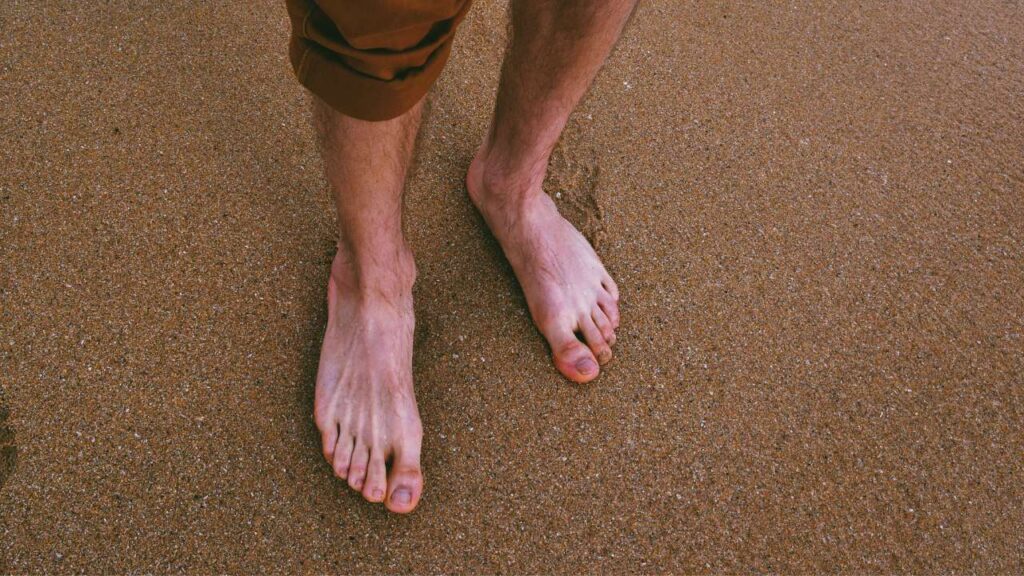
Recent industry surveys reveal a striking shift in grooming habits: nearly 35% of professional pedicure clients are now men. This isn’t a fleeting trend, it’s a fundamental change in how modern professionals approach personal care. The outdated notion that pedicures are exclusively feminine has given way to a more practical understanding: foot health is essential maintenance, not optional luxury.
Your feet carry you through approximately 10,000 steps daily. They endure the friction of dress shoes during back-to-back meetings, the impact of morning runs, and the pressure of standing presentations. Yet most men give their feet less attention than their cars receive at routine oil changes. This oversight can lead to painful ingrown nails, cracked heels that catch on socks, and calluses thick enough to affect your gait.
The question isn’t whether men should get pedicures, it’s how often. The answer depends on your activity level, the demands you place on your feet, and your professional presentation standards. This guide provides evidence-based frequency recommendations tailored to different lifestyles, from desk-bound executives to marathon runners. You’ll discover how advanced techniques like the Russian pedicure are changing the maintenance equation, delivering results that last weeks longer than traditional methods through precision dry-technique care and medical-grade hygiene standards. By the end, you’ll have a clear roadmap for incorporating professional foot care into your routine without feeling high-maintenance.
The baseline: recommended pedicure frequency for most men
For the average professional man, someone who spends most days in office settings, attends occasional social events, and maintains moderate physical activity, the gold standard is every 4 to 6 weeks. This isn’t arbitrary; it aligns with the biological reality of how your body works.
Toenails grow approximately 1 to 1.5 millimeters per month, significantly slower than fingernails. During this same timeframe, your feet shed thousands of dead skin cells daily, which accumulate into calluses on high-pressure areas like heels and the balls of your feet. Cuticles, the protective seal between your nail and skin, also regrow steadily, and when left unmanaged, they can harbor bacteria or create rough edges that snag on socks.
This 4-to-6-week window represents the sweet spot where maintenance prevents problems before they start. At the four-week mark, your nails have grown enough to benefit from professional trimming (preventing them from pressing uncomfortably against shoe toe boxes), but they haven’t reached the length where ingrown nail risk increases significantly. Calluses have formed but haven’t yet thickened to the point of cracking. Cuticles need attention but haven’t created hygiene concerns.
What makes this schedule particularly efficient is that it balances your time investment with tangible results. You’re not visiting the salon so frequently that it feels burdensome, yet you’re maintaining consistently well-groomed feet. For men who choose the Russian pedicure at Xpert Russian Manicure Salon, this timeline extends comfortably toward the 5-to-6-week range. The precision dry-method technique removes dead tissue more thoroughly than traditional soaking methods, and the meticulous e-file work on cuticles creates a cleaner foundation that stays pristine longer.
This baseline serves as your starting point. From here, you’ll adjust based on the specific demands your lifestyle places on your feet, whether that’s the constant impact of athletic training or the seasonal challenges of New England winters.
Active lifestyles demand more frequent care
If your weekly routine includes regular gym sessions, distance running, competitive sports, or a physically demanding job, your feet face exponentially more stress than the average office worker. For active men, the recommendation shifts to every 2 to 3 weeks.
The biomechanics explain why. During high-impact activities, your feet absorb forces equivalent to several times your body weight with each stride. This constant pounding creates friction between your skin and footwear, accelerating callus formation as your body attempts to protect itself. Athletic shoes, while cushioned, create warm, moist environments, ideal conditions for fungal growth. The repetitive trauma can also cause subungual hematomas, those painful dark spots under your nails where blood pools after impact.
Runners and athletes face specific concerns that shorter appointment intervals address effectively:
Keeping toenails at an optimal length, slightly shorter than sedentary individuals require, prevents them from jamming against the toe box during forward motion
Professional callus removal maintains protective benefits while preventing problematic buildup that can alter foot mechanics
Regular monitoring allows early detection of stress fractures, circulation issues, or plantar fasciitis
This single preventative measure of proper nail maintenance eliminates the majority of “runner’s toe” cases, where repeated trauma causes nails to bruise, thicken, or eventually fall off.
Beyond injury prevention, there’s a performance component. Thick, unmanaged calluses can alter your foot’s natural mechanics, creating pressure points that affect your stride efficiency. Professional removal maintains the protective benefits of calluses while preventing them from becoming problematic. Many athletes report noticeable comfort improvements after addressing foot issues they’d grown so accustomed to that they stopped registering the discomfort.
The preventative value extends to early detection. During regular appointments, trained technicians can spot warning signs, unusual swelling patterns that might indicate stress fractures, skin changes suggesting circulation issues, or the early stages of plantar fasciitis. Catching these conditions early often means addressing them with conservative treatment rather than waiting until they sideline you from training.
When to increase pedicure frequency
Certain situations demand more intensive professional intervention, temporarily or permanently shifting your schedule to every 2 to 3 weeks until issues resolve.
Recurring ingrown toenails represent one of the most common reasons men seek more frequent care. These painful conditions occur when the nail grows into the surrounding skin, causing inflammation, infection risk, and significant discomfort. Professional correction involves carefully reshaping the nail and removing the embedded portion, work that requires precision tools and expertise. During the corrective phase, bi-weekly appointments allow your technician to monitor healing and prevent recurrence by maintaining proper nail shape as it grows out.
Severely cracked heels, medically termed fissures, require similar intensive attention. When calluses become too thick, they lose elasticity and split under pressure, creating deep cracks that can bleed and become infected. The corrective approach involves professional debridement (controlled removal of thickened skin), followed by intensive moisturizing protocols. More frequent visits during the healing phase ensure the skin remains supple as it regenerates.
Men with diabetes or circulatory conditions should maintain consistent 2-to-3-week schedules as preventative healthcare. Reduced sensation in the feet means minor issues can escalate unnoticed, and compromised circulation slows healing. Regular professional monitoring becomes a critical component of overall health management.
Seasonal factors influencing frequency
Winter months bring specific challenges:
Indoor heating systems strip moisture from the air, causing skin to dry and crack at accelerated rates
Heavy boots trap moisture, creating fungal-friendly environments
Many men benefit from increasing appointment frequency from November through March
Summer considerations include:
Increased barefoot activity exposing feet to more wear
Pool and beach exposure requiring additional care
Sandal season visibility motivating more frequent maintenance
The Russian pedicure technique at Xpert Russian Manicure Salon proves particularly valuable during corrective phases. The medical-grade sterilization protocols eliminate cross-contamination risks, which is important when dealing with compromised skin. The precision e-file work allows for targeted treatment of problem areas without the over-aggressive removal that can worsen conditions.
The health benefits of pedicure for men beyond appearance
While a polished appearance certainly matters in professional settings, the clinical advantages of regular pedicures extend far beyond aesthetics. Understanding these health benefits reframes foot care from vanity to vital maintenance.
Circulation enhancement occurs through the massage component of professional pedicures. Manipulating the feet and lower legs stimulates blood flow and encourages lymphatic drainage. For men who spend hours at desks or standing in one position, this reduces the swelling and heaviness that accumulates by day’s end. Improved circulation also supports faster healing of minor cuts or abrasions and helps regulate foot temperature.
Early detection represents one of the most underappreciated benefits. Trained technicians examine your feet with professional scrutiny during each appointment. They can identify the early stages of fungal infections, often appearing as subtle discoloration or texture changes, long before they become painful or require aggressive medical treatment. They spot corns, warts, and other conditions that benefit from early intervention. For men who might not regularly inspect their own feet closely, this professional oversight serves as an important health screening.
Infection prevention stems from proper removal of dead skin, which eliminates the bacterial breeding grounds responsible for foot odor and athlete’s foot. Professional care also addresses the debris that accumulates under nail edges and in nail folds, areas difficult to clean thoroughly at home. The result is genuinely hygienic feet, not just cosmetically improved ones.
Structural foot health depends heavily on proper nail trimming technique. The leading cause of ingrown toenails is improper home clipping, cutting nails too short or rounding the corners. Professional technicians trim nails straight across at the correct length, maintaining the nail’s natural protective function while preventing painful ingrowth.
Callus management requires professional expertise to execute correctly. Calluses serve a protective purpose, and removing them entirely would leave feet vulnerable. The skill lies in controlled reduction, thinning calluses to comfortable levels while maintaining their protective benefits. This prevents the painful cracking that occurs when calluses become too thick, while avoiding the sensitivity that results from over-aggressive removal.
At Xpert Russian Manicure Salon, the commitment to medical-grade sterilization protocols ensures these health benefits are delivered safely. All metal implements undergo autoclave sterilization before each service, and the dry Russian pedicure technique eliminates the shared foot bath concerns present in traditional methods.
Summary
The modern approach to men’s foot care recognizes three distinct frequency tiers: every 4 to 6 weeks for general maintenance, every 2 to 3 weeks for active lifestyles or athletic demands, and adjusted schedules for corrective needs or seasonal challenges. Your optimal rhythm depends on honest assessment of your activity level, foot health status, and professional presentation requirements.
Viewing pedicures as essential maintenance, comparable to dental cleanings or regular haircuts, shifts the paradigm from optional indulgence to necessary self-care. Your feet are the foundation of your mobility and comfort. Neglecting them creates cascading problems that affect everything from your gait to your professional confidence.
The advantage of advanced techniques becomes clear in this context. Russian pedicures at Xpert Russian Manicure Salon deliver results lasting three to five weeks through precision dry-method care, superior hygiene standards, and meticulous attention to both aesthetics and foot health. This extended longevity means fewer annual appointments while maintaining consistently polished results, efficiency that appeals to busy professionals.
Take inventory of your lifestyle factors today. Are you training for a marathon? Adjust to bi-weekly care. Spending most days at a desk? The standard 4-to-6-week schedule serves you well. Dealing with recurring foot issues? Commit to corrective frequency until resolved. Whatever your situation, establishing a consistent schedule transforms foot health from afterthought to integrated wellness practice. Experience the difference that professional, precision-based care makes, for your comfort, your health, and your confidence.
FAQs about men pedicure frequency
Is it normal for men to get pedicures?
Absolutely. Current industry data shows that 30 to 40% of pedicure clients are male, including professional athletes, corporate executives, and health-conscious individuals across all industries. Regular foot care has become standard grooming practice for modern men, comparable to haircuts or dental cleanings. The stigma has disappeared as men recognize the practical health and comfort benefits alongside the professional presentation advantages.
How long does a men’s pedicure typically take?
A standard pedicure requires 45 to 60 minutes, while a Russian pedicure takes 60 to 75 minutes due to the precision techniques involved. The additional time investment delivers significantly extended results, three to five weeks of pristine appearance compared to one to two weeks with traditional methods. Most men find the time commitment worthwhile given the longer intervals between appointments and superior outcomes.
Do I need to do anything special to prepare for my first pedicure?
No special preparation is required. Wear comfortable, easy-to-remove footwear to your appointment. Arrive with clean feet as a courtesy to your technician. Most importantly, communicate any foot concerns, sensitivities, or health conditions (such as diabetes) during your consultation. This allows your technician to customize the service to your specific needs and ensure optimal results.
What’s the difference between a regular pedicure and a Russian pedicure for men?
Traditional pedicures use water soaking to soften skin and cuticles, followed by manual tool work. Results typically last one to two weeks. Russian pedicures employ a dry technique using specialized electric files for precision cuticle removal and dead skin debridement. This method delivers results lasting three to five weeks, offers medical-grade hygiene without shared foot baths, and produces a noticeably cleaner, more refined finish. For men seeking low-maintenance, long-lasting professional results, the Russian technique provides superior value. At Xpert Russian Manicure Salon, our specialization in this advanced method ensures you receive the precision care and extended longevity that modern professionals demand.