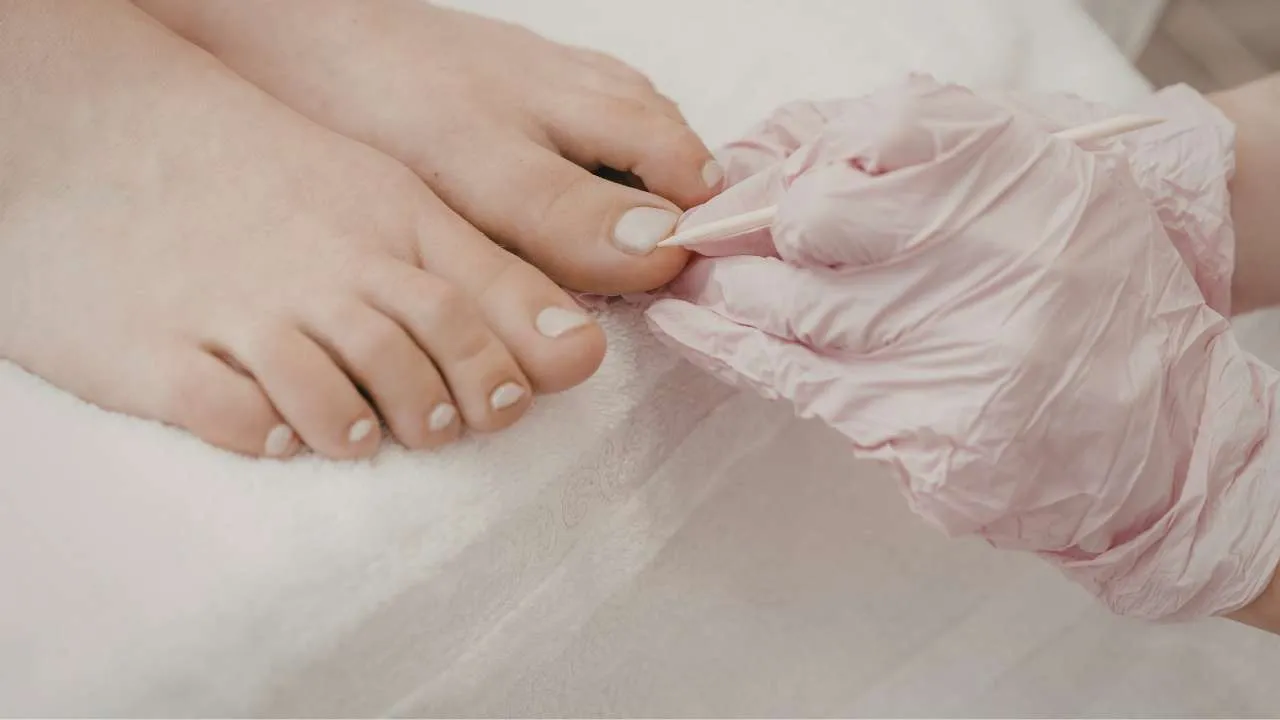
You’ve probably scrolled through Instagram and seen those impossibly clean, glass-like toenails that seem to emerge directly from the skin with zero visible cuticle line. That’s the Russian pedicure effect, and it looks deceptively simple. But here’s the truth most beauty tutorials won’t tell you upfront: while you can technically attempt a Russian pedicure at home, the safety risks are significant enough that professionals strongly advise against it.
A Russian pedicure is a dry, precision-based technique that uses high-speed electric files (e-files) equipped with specialized diamond or ceramic bits to perform micro-exfoliation on your cuticles and calluses. Unlike the relaxing foot soak you’re used to, this method works on completely dry skin and nails, allowing technicians to see exactly where dead tissue ends and living skin begins. That surgical-level precision is what creates those stunning, long-lasting results, but it’s also what makes the technique potentially dangerous in untrained hands.
The core issue isn’t whether the method works (it absolutely does), but whether the average person has access to professional-grade equipment, medical-level sterilization protocols, and months of specialized training required to execute it safely. Consumer e-files lack the consistent torque and speed control of professional machines. Home sterilization methods rarely match the autoclave standards used in certified salons. And without proper training, it’s remarkably easy to damage your nail plate permanently or cause infections that take months to resolve.
In this article, we’ll examine what makes the Russian pedicure fundamentally different from regular at-home foot care, explore the specific risks that come with DIY attempts, and help you understand when investing in professional services becomes essential for both your safety and the quality of results you’re hoping to achieve.
What makes Russian pedicure different from regular at-home foot care
The Russian pedicure represents a complete departure from traditional foot care methods, starting with its relationship to water. While conventional pedicures begin with a 10 to 15 minute soak in warm, soapy water, the Russian technique eliminates water entirely. This isn’t just a stylistic choice. When your nails and surrounding skin absorb water, they swell and expand. This expansion makes it nearly impossible to distinguish between dead tissue that needs removal and healthy, living skin that must be protected. More importantly, when you apply gel polish to an expanded nail plate, the polish bonds to that swollen surface. As your nail dries over the following hours and shrinks back to its natural size, the polish begins to lift and chip, dramatically reducing how long your pedicure lasts.
The dry technique solves this problem by working on skin and nails in their natural, unaltered state. This allows for what professionals call “surgical precision” because every detail of the cuticle structure remains visible and stable throughout the process. The technician can see the exact boundary between the pterygium (dead cuticle tissue adhered to the nail plate) and the eponychium (the living skin fold at the base of your nail). This clarity is essential for safe, effective cuticle work that improves appearance without compromising your body’s natural protective barriers.
At the heart of the Russian pedicure is the e-file system, a high-torque electric file that operates at precisely controlled speeds with zero vibration. Professional machines used in salons like Xpert Russian Manicure Salon are medical-grade devices that maintain consistent rotation regardless of pressure applied. This consistency is critical for safety. Consumer-grade battery-operated files available for home use lack this stability. They slow down when pressure increases, creating uneven results and increasing the risk of catching on skin or nail tissue.
These professional e-files work with an array of specialized bits, each designed for a specific purpose:
Flame-shaped or teardrop bits gently lift cuticle tissue from the nail plate
Ball-shaped bits with fine diamond coating exfoliate dead skin around the nail fold without cutting into living tissue
Coarser carbide bits address heavy calluses on heels
Ultra-fine polishing attachments refine the nail surface to a smooth finish
Each bit requires specific handling techniques, angle control, and pressure management that takes months of training to master.
The precision cuticle work in a Russian pedicure involves micro-exfoliation that removes only the pterygium while completely protecting the eponychium. This distinction matters because the eponychium serves as a seal that prevents bacteria and fungi from entering the nail matrix (the growth center beneath your skin). Cutting or damaging this living tissue creates an entry point for infections and can lead to chronic inflammation or permanent nail deformities. Professional technicians are trained to recognize this transition zone and work within safe boundaries that home practitioners typically cannot identify.
The real risks of DIY Russian pedicure at home
The most common and potentially permanent damage from DIY Russian pedicure attempts is what professionals call the “ring of fire.” This occurs when an e-file bit is held at an incorrect angle, moved too slowly across the nail, or pressed with too much force. The result is a literal groove burned into your natural nail plate. This isn’t surface damage that grows out quickly. Depending on severity, these grooves can cause ongoing sensitivity, create weak points where the nail cracks or splits, and may take six to twelve months to fully grow out. In some cases, damage to the nail matrix beneath the skin can result in permanent ridges or deformities in nail growth.
Infection hazards represent another serious concern that’s often underestimated in home settings. While many people assume that wiping tools with alcohol or soaking them in Barbicide provides adequate sterilization, these methods don’t kill all bacterial spores, fungi, or viruses. Professional salons use autoclaves, the same sterilization equipment found in dental offices and surgical centers, which use high-pressure steam to achieve complete sterilization. When you’re working with e-file bits that create friction and heat on skin tissue, any microscopic contamination can lead to staph infections, fungal growth, or other complications that require medical treatment.
The dry technique itself, while more hygienic when performed professionally, doesn’t automatically eliminate infection risk. The advantage comes from avoiding communal foot basins, which are notorious breeding grounds for bacteria when not properly sanitized between clients. But at home, if your tools aren’t properly sterilized or if you accidentally cut into living tissue, you’ve created an entry point for pathogens without the safety net of professional-grade hygiene protocols.
Tissue injury from cutting into the living eponychium is particularly problematic because this tissue serves a protective function. When damaged, it can become chronically inflamed, leading to painful swelling, redness, and increased vulnerability to infection. Some people develop paronychia, a bacterial or fungal infection of the skin around the nail that causes pus-filled pockets and requires antibiotic treatment. In severe cases, repeated damage to the eponychium can cause it to grow back thicker and more irregular, creating the opposite of the clean, refined look you were hoping to achieve.
Equipment limitations create a fundamental safety gap between professional and home attempts. Consumer-grade e-files typically operate at lower speeds with less consistent torque. When you apply pressure during use, these devices slow down or vibrate, making it difficult to maintain the smooth, controlled movement essential for safe cuticle work. Professional machines maintain constant speed regardless of pressure, allowing for the precise, feather-light touch that prevents damage. Additionally, the bits sold with consumer kits are often lower quality with inconsistent grit, making them either too aggressive (causing damage) or too gentle (requiring excessive pressure that leads to mistakes).
The lack of proper training cannot be overstated. Professional nail technicians who specialize in Russian technique undergo months of hands-on education. They learn to:
Recognize different tissue types by sight and touch
Understand how each bit behaves on various skin densities
Master the correct angle and pressure for each movement
Develop the muscle memory required for safe, efficient work
Online tutorials and demonstration videos cannot replicate this training. They show you what the technique looks like but cannot teach you how to recognize when you’re about to make a dangerous mistake or how to correct course when something goes wrong.
Callus management errors in DIY attempts often involve aggressive scraping with metal files or “cheese grater” style rasps. This triggers what dermatologists call the “rebound effect.” When you aggressively remove callus tissue, your body interprets this as trauma and responds by producing even thicker, harder skin to protect the area. Professional Russian pedicure uses fine-grit diamond bits to polish calluses gradually, signaling to your skin that protection isn’t needed. This results in smoother, longer-lasting results without the rough, rapid regrowth that follows aggressive scraping.
It’s worth noting that pain is a critical warning sign during any pedicure. A properly executed Russian pedicure should feel like detailed exfoliation with a light vibrating sensation. Any sharp pain, burning, or intense heat indicates that the bit is moving too slowly, being pressed too hard, or held at an incorrect angle. These are the moments when damage occurs. In a professional setting, technicians are trained to work within comfortable parameters. At home, many people push through discomfort, assuming it’s normal, and end up causing significant damage before realizing something is wrong.
Salons like Xpert Russian Manicure Salon address these safety concerns through comprehensive protocols. Their certified technicians use professional-grade e-files with adjustable speed control, maintain a complete set of sterilized bits for different stages of the service, and run all metal tools through an autoclave before each client. This medical-grade sterilization eliminates the infection risks that home setups simply cannot match, providing peace of mind alongside superior results.
When professional Russian pedicure is worth the investment
The most compelling practical advantage of professional Russian pedicure is longevity. While traditional pedicures typically look fresh for one to two weeks before visible regrowth becomes noticeable, and DIY attempts often start lifting or chipping within days, a professionally executed Russian pedicure maintains its “just-finished” appearance for four to six weeks. This extended wear time comes from the dry preparation method, which keeps the nail plate stable and allows gel polish to bond directly to the keratin structure without interference from absorbed water. For busy professionals who value their time, this means fewer salon visits overall despite the higher per-service cost.
Superior hygiene standards set professional Russian pedicure apart from both traditional services and home attempts. The elimination of communal foot basins removes a primary source of bacterial and fungal transmission. When combined with autoclave sterilization of all metal implements, the infection risk drops to near zero. This matters particularly for people with compromised immune systems, diabetes, or any condition that affects healing. At Xpert Russian Manicure Salon, every tool that touches your skin has been sterilized to medical standards, a level of safety that’s virtually impossible to replicate at home.
The precision results achieved through professional execution create a distinctly different aesthetic than traditional or DIY pedicures. Trained technicians can apply gel polish extremely close to the cuticle fold, sometimes within a millimeter of the skin, without touching it. This creates the signature “seamless” look where color appears to emerge directly from beneath the skin with no visible gap. As your nails grow, this close application means the regrowth line remains subtle and clean rather than creating an obvious demarcation that screams “time for a fill.”
Health preservation is perhaps the most important but least visible benefit of professional service. Certified technicians understand nail anatomy and work within safe parameters that protect your nail matrix and living tissue. They remove only the pterygium (dead cuticle adhered to the nail) while preserving the eponychium (living protective seal). This maintains your body’s natural defenses against infection while achieving the clean, polished appearance you want. In contrast, DIY attempts often damage these protective structures, creating ongoing problems that take months to resolve.
For time efficiency, consider that a professional Russian pedicure takes 90 minutes to two hours but lasts four to six weeks. That’s one appointment every month to six weeks. Traditional pedicures take 45 minutes but need refreshing every two weeks, meaning you’re spending more total time in the salon over the same period. For professional women managing demanding careers and social commitments, the longer interval between appointments represents significant time savings.
Professional expertise in problem areas becomes essential when dealing with ingrown toenails, unusually thick calluses, or sensitive skin conditions. Trained technicians can safely address ingrown nails by clearing the side walls of the nail plate, an area that’s difficult to reach with manual tools and dangerous to approach with an e-file without proper training. They can also assess callus formation patterns to determine whether aggressive removal is appropriate or if a gentler approach is needed to avoid the rebound effect.
The pain-free experience of a properly executed Russian pedicure stands in stark contrast to the discomfort many people experience during DIY attempts. Professional technicians maintain the correct bit speed, angle, and pressure throughout the service, creating a sensation that clients describe as detailed exfoliation rather than anything painful. This comfort level isn’t just about the immediate experience. It’s a sign that the work is being done safely, without causing micro-damage that could lead to problems later.
Professional-grade tools make a measurable difference in both safety and results. The high-torque e-files used in salons maintain consistent speed under pressure, allowing for the feather-light touch essential for safe cuticle work. The specialized bits are manufactured to precise specifications with consistent grit and shape. These tools, combined with proper technique, create results that consumer devices simply cannot replicate regardless of user skill level.
At Xpert Russian Manicure Salon, the approach integrates all these elements into a comprehensive service. Their certified technicians have undergone advanced training in Russian technique, use professional-grade equipment maintained to exacting standards, and follow strict hygiene protocols including autoclave sterilization. They also provide detailed aftercare guidance, explaining how to maintain results between visits with simple home care steps that don’t require specialized tools or risk damaging your work. This combination of expertise, equipment, and ongoing support represents the full value of professional service beyond just the immediate aesthetic results.
Summary
The question of whether Russian pedicure can be done safely at home has a clear answer: while technically possible, the risks substantially outweigh any potential benefits. The technique requires professional-grade equipment, medical-level sterilization protocols, and months of specialized training that home practitioners simply don’t possess. The potential for permanent nail damage, serious infections, and tissue injury makes DIY attempts a gamble with your health.
Professional Russian pedicure services offer tangible advantages that justify the investment: results that last four to six weeks instead of days, medical-grade hygiene that eliminates infection risks, and precision work that improves appearance while preserving nail health. For professional women and beauty-conscious individuals who value both aesthetics and safety, choosing certified technicians with proper equipment and sterilization protocols isn’t just about getting better results. It’s about protecting your health while achieving the polished, long-lasting look this advanced technique can deliver when executed correctly.
FAQs about professional vs Russian pedicure at home
Can beginners safely use e-file tools at home?
No, e-file tools require professional training to use safely. The risk of incorrect angle or pressure causing permanent nail damage is substantial. Consumer-grade devices lack the precision torque control and consistent speed of professional equipment, making safe execution even more difficult for untrained users.
How long does it take to learn Russian pedicure technique properly?
Professional certification in Russian pedicure technique requires months of specialized, hands-on training. This education includes mastering bit selection for different tissue types, speed control for various stages of the service, and tissue recognition to distinguish between dead and living structures. This is not a skill that can be acquired through online tutorials or casual practice.
What happens if I damage my nail plate during DIY Russian pedicure?
Damage to the nail plate can result in permanent grooves, thinning that creates weak points prone to cracking, increased sensitivity to pressure or temperature, or visible deformities in nail growth. Recovery time varies by severity, but damaged nails typically take six to twelve months to grow out completely. In cases where the nail matrix beneath the skin is affected, professional correction may be needed, and some damage can be permanent.
Is the dry technique more hygienic than traditional pedicures?
Yes, when performed professionally with proper sterilization protocols. The dry technique eliminates communal foot basins, which are bacterial breeding grounds even with regular cleaning. However, this hygiene advantage only applies when tools are sterilized to medical standards using an autoclave. Home attempts may not achieve proper sterilization, potentially increasing infection risk despite the dry method.