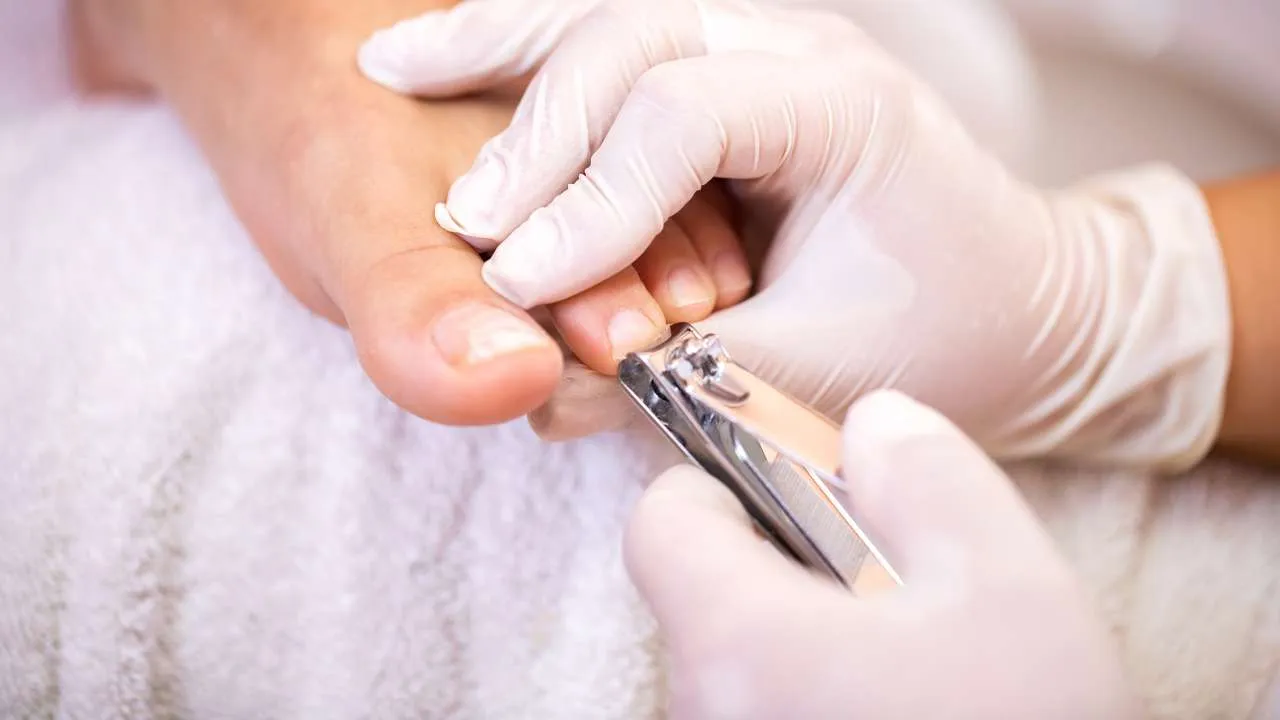
Who Should Not Get a Russian Pedicure?

Have you thought about the specifics behind achieving perfectly polished nails? Do popular beauty trends always align with long-term nail health? The Russian pedicure, a technique gaining global attention for its flawless results, might seem like an excellent choice for a lasting, clean finish. This waterless method promises a very neat look that endures for weeks. However, a Russian pedicure is not suitable for people with diabetes, compromised immune systems, thin or damaged nails, or chronic skin conditions like psoriasis.

Understanding its specific approach is important before deciding if it is suitable for you. This article will explain what a Russian pedicure involves and detail who should not get a Russian pedicure to help you make an informed choice for your nail care. Let’s look at the specifics of this well-known treatment.

What defines a Russian pedicure and its specific appeal?

A Russian pedicure, also known as a dry or e-file pedicure, is a specialized nail care technique that avoids water entirely. Unlike traditional pedicures that begin with soaking the feet, this method is performed on completely dry skin. The main tool is an electric file, or e-file, fitted with various fine diamond bits. A skilled technician uses these bits to carefully remove dead skin, exfoliate the sole, and precisely clean the nail plate. This water-free approach stops the nail plate from expanding and contracting, which helps the polish stick better and last longer. This careful preparation ensures a smoother canvas for polish, minimizing chips and extending wear.

The primary appeal of the Russian pedicure comes from its exceptionally clean and long-lasting look. The method focuses on the careful removal of the cuticle, the non-living tissue attached to the nail plate. By carefully buffing away this tissue, the technician creates a very smooth surface for polish. This allows the color to be applied closer to the skin, creating a clean finish that grows out smoothly over three to five weeks. This “high-definition” appearance has made it a popular option for those wanting a polished and enduring result.

Who should avoid a Russian pedicure and understand the contraindications?

While a Russian pedicure can deliver beautiful results, its aggressive nature makes it unsuitable for certain individuals. Understanding the Russian pedicure contraindications is very important for safety. People with specific health conditions or nail types face higher Russian pedicure risks and should choose gentler alternatives. It is important to know if this detailed technique is a safe choice for your personal health profile.

The following groups should be particularly cautious and likely avoid this service:

  • Individuals with diabetes. Foot care is a serious medical concern for people with diabetes. The condition can cause poor circulation and nerve damage (peripheral neuropathy), meaning a person might not feel the heat or a small cut from the e-file. According to the American Academy of Dermatology, even minor foot injuries can lead to serious complications for diabetics, including infections or slow-healing wounds. The CDC reports that approximately 15% of people with diabetes will develop a foot ulcer at some point in their lives, underscoring the extreme vulnerability of diabetic feet. The complete removal of the cuticle also creates an entry point for infection, which can be difficult to heal.

  • People with compromised immune systems. If you have an autoimmune disease or are undergoing treatments like chemotherapy, your body’s ability to fight infection is reduced. A Russian pedicure compromises the skin’s natural barrier around the nail. This increases the risk of developing a bacterial or fungal infection, such as paronychia, which could become severe in an immunocompromised person. Studies show that immunocompromised individuals face an infection risk up to 5 times higher than healthy individuals from minor skin breaks. The body’s ability to combat even minor skin breaks is significantly reduced.

  • Those with thin, brittle, or damaged nails. The e-file generates heat and friction that can worsen the condition of already weak nails. Over-filing the nail plate can lead to extreme sensitivity, peeling, and further structural damage. The intense buffing and shaping can thin the nail plate further, making it more prone to breakage. If your nails have been weakened by previous treatments, a Russian pedicure could cause more harm than good.

  • Clients with sensitive skin or chronic skin conditions. Conditions like psoriasis or eczema can be aggravated by the friction of an e-file. The process can cause flare-ups, leaving the skin around the nails red, inflamed, and painful. The Russian pedicure side effects for people with reactive skin can be very uncomfortable, potentially leading to prolonged irritation or skin damage.

  • Individuals on blood-thinning medications (anticoagulants). Medications like warfarin or aspirin increase the risk of bleeding. Even a minor cut from an e-file could lead to excessive bleeding and difficulty healing, posing a significant risk for those on blood thinners.

  • Clients with active nail fungus (onychomycosis) or other active infections. Performing a Russian pedicure on infected nails can spread the fungus or bacteria, worsen the existing infection, and contaminate tools, posing a risk to other clients even with proper sterilization. It’s crucial to treat any active infection before considering such a service.

  • Anyone with open wounds, cuts, or abrasions on their feet. The e-file process could irritate or reopen existing wounds, introducing bacteria and leading to severe infection. All skin on the feet should be intact and healthy before a Russian pedicure.

  • Pregnant individuals. While not a direct contraindication for the e-file itself, the stress, prolonged sitting, and potential for accidental injury or infection during pregnancy make it advisable to avoid intensive nail procedures. Hormonal changes can also make nails more brittle or prone to issues.

The risks and seeking safer nail care methods

A Russian pedicure carries inherent risks that necessitate careful consideration and a focus on safety. In untrained hands, the e-file pedicure dangers are considerable. An improperly used e-file can thin the nail plate, cause painful friction burns, or cut the surrounding living tissue. These micro-traumas can lead to serious Russian pedicure infections, as they create an opening for bacteria and fungi to enter the nail matrix. In fact, a survey of licensed nail technicians found that improper e-file usage is responsible for approximately 25% of all client complaints related to nail damage. According to medical experts like Dr. Brendan Camp, a board-certified dermatologist, compromising the cuticle removes the nail’s natural protective seal, making it vulnerable.

“Health professionals consistently remind us that ‘The cuticle acts as a natural barrier, protecting the nail matrix from infection. Any procedure that aggressively removes this barrier increases health risks.'”

Seeking safer nail care methods means prioritizing health over trends. A great alternative is a “Deep Clean” pedicure performed with manual tools by a trained professional. This method involves gently pushing back the cuticle and nipping only loose, non-living skin, which maintains the integrity of the natural barrier. Regardless of the technique, insist on medical-grade sterilization for all tools. An autoclave, a machine used in medical facilities, is the gold standard for sterilizing implements and eliminating infection risk. Always ask about a salon’s sterilization practices before starting any service.

Here is a comparison of the two main pedicure types:

FeatureTraditional PedicureRussian Pedicure
Water usageInvolves soaking in waterCompletely dry, waterless
Primary toolsClippers, pushers, pumice, filesElectric file (e-file), fine diamond bits
Cuticle approachPushing back, gentle nippingCareful removal via e-file
Risk of infection (untrained)Water-borne bacteria from bathsMicro-traumas, compromise of skin barrier
Aesthetic goalClean, polishedVery clean, “high-definition” finish
Longevity of polish1-2 weeks3-5 weeks

Improving your nail care standards

Elevating your nail care standards is crucial for both aesthetic appeal and long-term health. Choosing the right salon is the most important step in making sure you have a safe and beneficial pedicure experience. For Russian pedicures, the technician’s skill level is paramount due to the precision required. At Xpert Russian Manicure Salon, our certified technicians receive specialized training to master the precision dry technique. We prioritize your health with medical-grade hygiene and offer personalized consultations to make sure the service is perfectly suited to you. We believe in providing beautiful results without compromising your well-being.

FAQs

What is the main difference between a Russian pedicure and a traditional pedicure?

A Russian pedicure uses an electric file on dry skin to carefully remove cuticles. A traditional pedicure typically involves water soaking and manual tools to push back or gently trim cuticles.

Can a Russian pedicure cause long-term damage to my nails?

Yes, if performed improperly by an untrained technician, it can cause damage to the nail matrix. This may lead to issues like thinning, ridges, or deformed nail growth over time. Proper training is key to avoiding these problems.

Is a dry pedicure always safer than a water-based one?

A dry pedicure eliminates the risk of water-borne infections, but its safety hinges on the technician’s skill. An e-file used incorrectly can cause more severe damage than traditional methods. Both methods have risks if not done correctly.

What should I look for in a nail salon offering Russian pedicures to make sure safety?

Seek salons with certified, highly trained technicians. Verify they use medical-grade sterilization for all tools and conduct thorough pre-service consultations regarding your nail and skin health. Do not hesitate to ask about their training and hygiene practices.

How long does a Russian pedicure typically last?

A Russian pedicure can last three to five weeks. This is due to the precision of cuticle removal and polish application closer to the nail, as the dry technique improves polish adhesion.

Making informed choices for lasting nail health

The best pedicure is one that protects your long-term health while delivering a beautiful result. It is wise to prioritize your well-being over fleeting beauty trends. By understanding your own health needs and seeking out highly skilled professionals like those at Xpert Russian Manicure Salon, you can enjoy immaculate nails without compromising on safety. Making informed choices helps your nail care support both beauty and health for years to come.