
Is Russian Pedicure Safe for Your Feet?
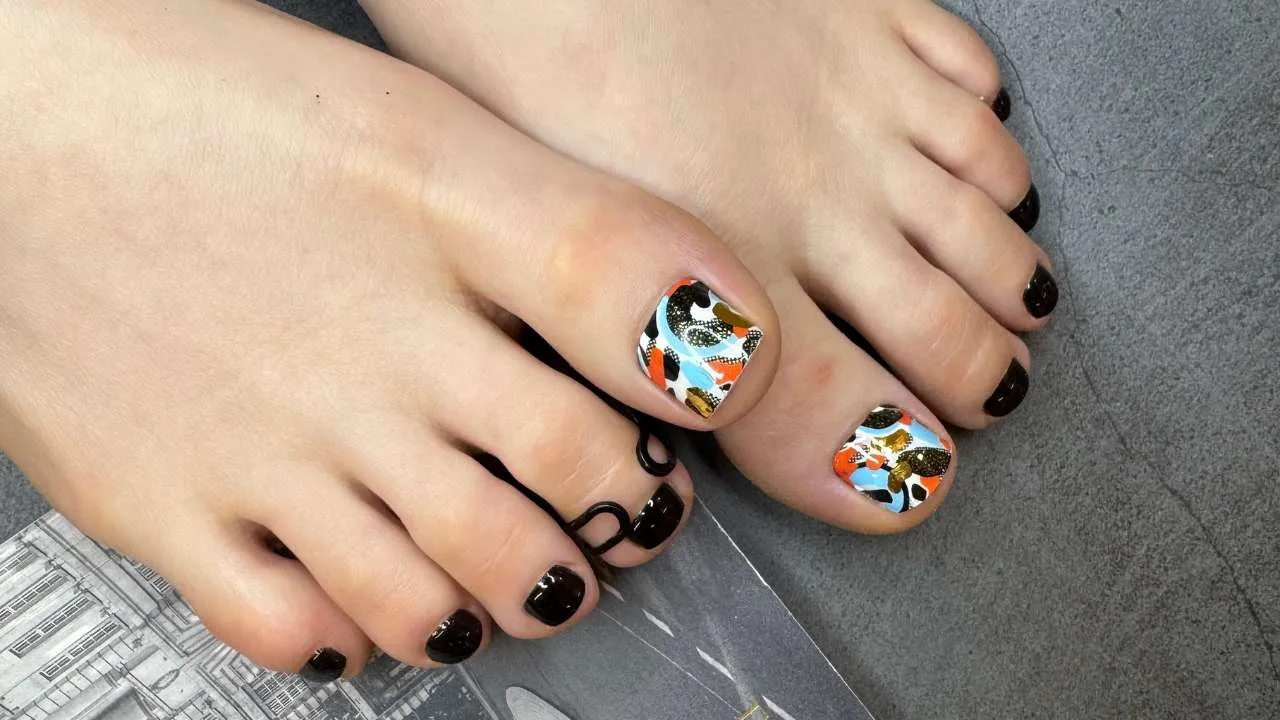
Have you ever wondered if that flawless, Instagram-worthy pedicure finish is secretly harming your feet? Can an electric file buzzing near your toenails really be safer than the traditional soak-and-scrub method you’ve trusted for years? These questions swirl through the minds of countless women as Russian pedicures surge in popularity across salons nationwide.

The confusion is understandable. When you hear “electric file” and “complete cuticle removal,” alarm bells naturally ring. Images of damaged nails, painful infections, and thinned skin might flash through your mind. After all, haven’t we been told for years to never cut our cuticles? The contradiction between what we’ve learned about nail care and what Russian pedicure technicians actually do creates genuine concern.

Here’s the truth that might surprise you: when performed by properly trained professionals using medical-grade hygiene protocols, Russian pedicures can actually be safer than traditional water-based methods. The safety doesn’t come from the tools themselves, but from the precision, training, and sterilization standards behind them. The dry technique eliminates the infection risks lurking in shared foot baths, while skilled technicians protect your living tissue with surgical-level accuracy.

In this article, you’ll discover the biological mechanics that make Russian pedicures safe, the specific risk factors to watch for, the professional standards that separate safe services from dangerous ones, and practical criteria for identifying qualified technicians. You’ll learn why the waterless approach offers advantages, how to spot red flags during your appointment, and what questions to ask before booking. By the end, you’ll have the knowledge to make informed decisions that balance your aesthetic goals with long-term foot health.

What makes Russian pedicure different from traditional methods

Russian pedicure represents a fundamentally different approach to foot care. Unlike the familiar American pedicure that begins with soaking your feet in warm, soapy water, this technique is completely dry and waterless from start to finish. Instead of softening your skin with moisture, trained technicians use specialized electric files (e-files) equipped with diamond, ceramic, or carbide bits to work on your feet in their natural, dry state.

This distinction matters more than you might think. When skin absorbs water during traditional soaking, it swells and expands, making it nearly impossible for technicians to see where dead tissue ends and living tissue begins. The Russian method’s dry approach provides crystal-clear visibility. Technicians can precisely distinguish between the cuticle (dead skin that should be removed) and the eponychium (living tissue that protects your nail matrix). This surgical-level precision prevents accidental damage that can occur when working on water-softened skin.

The technique focuses on micro-exfoliation rather than cutting or scraping. Fine diamond bits gently buff away only dead cuticle tissue and superficial dead skin around your toenails. There’s no cutting involved. The same principle applies to callus removal. Rather than aggressively scraping with metal blades (which can actually stimulate your skin to produce more calluses as a defense mechanism), technicians polish calluses with specialized discs that gradually smooth the skin.

Perhaps most importantly, the dry preparation prevents your nail plate from expanding with water absorption. When nails stay stable and dry, gel polish adheres more effectively to the surface. This creates a stronger bond that resists lifting and peeling. At Xpert Russian Manicure Salon, our technicians utilize advanced e-file techniques with fine diamond bits specifically designed for controlled, gentle exfoliation. The result? A seamless finish that lasts three to five weeks compared to the one to two weeks typical of traditional pedicures.

The elimination of shared foot baths also removes a primary infection pathway. Those warm, inviting tubs in traditional salons can harbor bacteria and fungi that spread between clients, even with sanitization attempts. By working exclusively on dry feet with sterilized tools, Russian pedicures sidestep this risk entirely.

What are the real risks and how professionals prevent them?

Let’s address the elephant in the room: your cuticle serves a biological purpose. This thin layer of skin acts as a waterproof seal protecting your nail matrix (where new nail cells form) from bacteria, fungi, and environmental irritants. When this protective barrier is compromised, several legitimate risks emerge.

Improper Russian pedicure technique can create infection pathways. Acute paronychia (bacterial infection around the nail) and onychomycosis (fungal nail infections) become possible when the protective seal is breached. If an untrained technician applies too much pressure or uses the wrong angle with the e-file, they can traumatize the nail matrix itself. This damage manifests as permanent ridges, white spots, or chronic brittleness that no amount of nail care can reverse. Repeatedly removing too much tissue can also cause chronic inflammation, leaving your nail walls raw, red, and hypersensitive to temperature changes and chemical exposure.

Here’s the critical distinction: these risks stem from poor execution by untrained individuals, not from the technique itself. A Russian pedicure performed correctly should never cause these problems. The difference lies in three non-negotiable safety pillars.

First, specialized training and certification. Mastering an e-file requires hundreds of hours of practice. Technicians must understand nail anatomy at a detailed level. They need to know exactly which RPM (rotations per minute) suits different skin types, which grit levels work for various conditions, and the precise angles that protect living tissue while removing dead skin. At Xpert Russian Manicure Salon, our certified technicians undergo advanced training specifically in this technique. They learn to distinguish cuticle from eponychium with precision, removing only what should be removed while safeguarding healthy tissue.

Second, medical-grade sterilization. Because this technique works so close to living tissue, hygiene must follow hospital standards. All metal tools at our salon undergo autoclave sterilization to medical-grade levels before every single service. An autoclave uses high-pressure steam to eliminate 100% of microbial life, including bacterial spores that survive other sanitization methods. This isn’t the blue liquid soak or UV box you might see elsewhere. This is the same sterilization standard used for surgical instruments. Tools come out of sealed, sterilized pouches opened directly in front of you.

Third, precision tool control. High-quality e-files minimize vibration that can cause micro-tears in skin. The diamond bits are replaced frequently so they exfoliate smoothly rather than tearing tissue. Technicians adjust speed and pressure based on your individual skin sensitivity. If you have thin skin, they use gentler grits and slower speeds. If you have thicker calluses, they can increase intensity while still maintaining control.

The industry guideline is simple: if it hurts, stop. A properly executed Russian pedicure should be completely pain-free. You shouldn’t feel heat, pinching, or discomfort. The careful sidewall cleaning can even help reduce future ingrown toenail risk by removing excess dead skin that might otherwise push the nail to grow incorrectly (though this isn’t a treatment for active infections and shouldn’t replace medical care if you have one).

For clients with sensitive skin, the technique often proves more comfortable than traditional methods. Technicians can customize the approach, choosing the softest grits and adjusting speed for a gentle touch. The dry method also avoids the prolonged water exposure that can irritate delicate skin.

How to identify a safe Russian pedicure service

Walking into a salon shouldn’t feel like a gamble with your foot health. You can evaluate safety standards before the first tool touches your skin by knowing what to look for and what questions to ask.

Start with observable indicators. Watch how your technician prepares for your service. Tools should come from sealed, sterilized pouches that are opened in front of you, not pulled from a drawer or cup. Ask to see the autoclave. A medical-grade autoclave looks like a small pressure cooker and should be visible in the salon. UV boxes and blue liquid soaks don’t meet the sterilization standard required for tools that work near living tissue.

Before any filing begins, a professional technician conducts a thorough consultation. They should examine your nails and skin, asking about your medical history:

  • Do you have diabetes?

  • Circulatory issues?

  • Extremely thin skin?

These conditions may require a modified approach or, in some cases, mean a full Russian pedicure isn’t appropriate for you. A technician who skips this conversation and jumps straight to filing is prioritizing speed over your safety.

During the service itself, your body provides immediate feedback. If you feel heat or a burning sensation on your nail, speak up immediately. This indicates the technician is leaving the drill in one spot too long or using excessive speed. The friction generates heat that can cause “rings of fire” (permanent thinning of your nail plate). Any pain or pinching feeling means the pressure is too high or the angle is wrong. Even minor bleeding is a red flag—it means the technician has breached living tissue. A proper Russian pedicure should feel like gentle buffing, not drilling.

Watch for rushed work or a one-size-fits-all approach. Your feet are different from everyone else’s. A professional adapts their technique to your specific needs rather than following the exact same routine for every client. They should communicate throughout the service, explaining what they’re doing and checking that you’re comfortable.

After the service, proper care continues. Your technician should apply high-quality cuticle oil and foot cream to restore your skin’s lipid barrier. The dry filing process, while precise, can be drying. Deep hydration immediately afterward helps your skin recover and maintains the health of the tissue around your nails. At Xpert Russian Manicure Salon, we prioritize this post-service care and offer complementary foot care products designed for hydration, repair, and long-term maintenance between appointments.

The results tell the final story. Your pedicure should last three to five weeks without any nail sensitivity, thinning, or soreness. If your nails feel weak or your skin feels raw after an appointment, the technique was performed incorrectly. Quality work leaves you with stronger-looking nails and smooth, healthy skin that feels comfortable, not compromised.

Trust your instincts. If something feels wrong during the appointment, you have every right to ask the technician to stop and explain what they’re doing. A professional welcomes questions and prioritizes your comfort. Choosing expertise over convenience or trendy marketing is the key to maintaining long-term nail integrity while enjoying the precision and longevity that Russian pedicures offer.

To close

Russian pedicures are safe when performed by properly trained, certified professionals who follow medical-grade hygiene protocols. The technique’s advantages—elimination of water-borne infection risks, precision that protects living tissue, and results lasting three to five weeks—make it a superior choice for foot health when executed correctly. Safety isn’t determined by the tools themselves, but by the technician’s skill and the salon’s commitment to sterilization standards. Research salons thoroughly, ask about training and autoclave sterilization practices, and prioritize your health over aesthetic trends. When you make informed choices, you can enjoy the precision and longevity of Russian pedicures while maintaining optimal foot health for years to come.

FAQs about Russian Pedicure Safety

Is Russian pedicure safe for sensitive feet?

Yes, the technique is often better suited for sensitive skin than traditional methods. Technicians can adjust e-file speed and select gentle grits for comfortable application. The dry method avoids prolonged water exposure that can irritate sensitive skin. During your consultation, inform your technician about your sensitivity so they can customize the approach to your comfort level.

Can Russian pedicure cause nail damage?

Properly executed Russian pedicures do not damage nails. Damage only occurs when technicians use excessive pressure, incorrect speed, or lack proper training. The technique should never cause thinning, sensitivity, or soreness. Choosing certified professionals with specialized training in this method eliminates this risk entirely.

How often should I get a Russian pedicure?

Most clients return every three to five weeks based on nail growth rate and polish wear. This is significantly less frequent than traditional pedicures that require visits every one to two weeks. Regular maintenance keeps nails shaped and skin smooth while reducing your total annual salon visits.

What should I do after a Russian pedicure to maintain safety?

Apply high-quality cuticle oil and foot cream regularly at home to support your skin’s natural barrier. Avoid prolonged water exposure for 24 hours after your service to allow the skin to stabilize. Monitor for any unusual redness, swelling, or discomfort, and contact your salon if concerns arise.