

How to Take Care of Acrylic Nails for Lasting Beauty
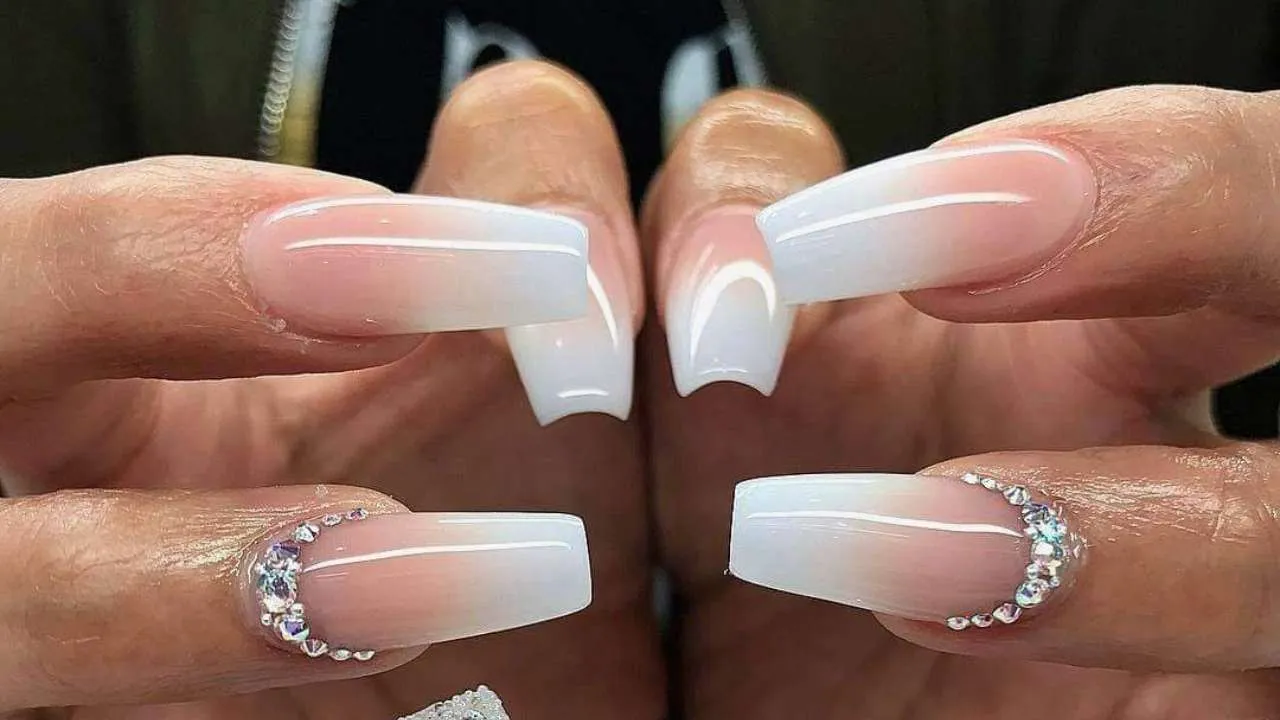
Do you often find your artificial enhancements lifting or breaking prematurely, despite your best efforts? Many individuals struggle to maintain the pristine condition of their nail enhancements between salon visits. What if there were straightforward practices you could adopt to extend the life and beauty of your manicure, confirming they always look salon-fresh?
Learning how to take care of acrylic nails involves a combination of daily habits, professional maintenance, and understanding what to avoid. This guide covers the key tips for maintaining your acrylics to help you make your manicure last longer while protecting your natural nails. From your daily cleaning routine to scheduling regular salon visits, these steps are key to optimal results.
This article details the specifics of proper acrylic nail aftercare.
Understanding acrylic nails and daily practices for longevity
To significantly extend the lifespan of your acrylic nails, implementing specific daily care practices is crucial, alongside a professional initial application. Consistent attention to these artificial enhancements can prevent common issues like lifting and breakage, preserving their integrity and appearance long after your salon visit.
Daily care for healthy acrylic nails
These artificial nails are made by combining a liquid monomer and a powder polymer to create a hard, protective layer over your natural nails. Their strength makes them a popular choice for nail applications. The longevity of these nails starts with a professional application where the natural nail is carefully prepared by cleaning, filing, and buffing. Using a nail dehydrator and an acid-free primer creates a strong bond that is the first step in learning how to keep acrylic nails from lifting. It is also crucial to ensure your salon uses ethyl methacrylate (EMA) liquid monomer, which is considered safe by the FDA and professional organizations like the Professional Beauty Association (PBA). Avoid salons using methyl methacrylate (MMA), an industrial-grade monomer that is illegal for nail use in many states due to its potential for severe nail damage and allergic reactions.
A solid acrylic nail care routine at home is just as vital. Follow these dos and don'ts to maintain your manicure.
Moisturize your cuticles and hands. To keep the acrylic flexible and prevent it from becoming brittle, apply cuticle oil two to three times a day. This practice also nourishes the skin around your nails. Follow up with a good hand cream to keep your hands soft.
Wear protective gloves. When doing household chores like washing dishes or cleaning with chemicals, always wear waterproof gloves. Harsh chemicals can weaken the acrylic material, causing it to break down.
Use non-acetone products. If you want to change your polish color at home, only use a non-acetone polish remover. Acetone is a solvent that will dissolve the acrylic material itself. Consider applying a high-quality top coat or UV-cured gel top coat every few days to add an extra layer of protection, boost shine, and further seal your polish, extending its chip-free wear.
Treat your nails gently. Avoid using your nails as tools to pry open cans, scrape off stickers, or perform other tasks. This kind of pressure can cause the acrylic to crack or break, potentially damaging your natural nail underneath. If you encounter a snag or sharp edge, gently smooth it with a fine-grit nail file (180-240 grit is ideal for natural and artificial nails) rather than picking or biting. Avoid picking at or biting your nails.
Keeping acrylic nails in top condition: professional care and common challenges
Ensuring your acrylic nails remain in top condition demands regular professional care and vigilance against common challenges. Scheduling fill-in appointments every 2-3 weeks is critical, as these visits rebalance the nail application and prevent issues like breaks and lifting, thereby extending the overall life of your manicure.
Tips to resolve the common acrylic nail issues
As your natural nails grow, a gap appears between your cuticle and the artificial overlay. Regular fill-ins, typically every two to three weeks, are needed to fill this gap and rebalance the nail's structure. During a fill-in, a technician files down the existing acrylic, applies new product to the growth area, and reshapes the nail. This process is fundamental to how to make acrylic nails last longer.
However, these enhancements cannot be filled forever. After about three to five fill-ins, the material may start to degrade. At this point, it is best to have them professionally removed and apply a fresh set. This allows a technician to inspect your natural nails and confirms the new set has a secure bond. Attempting to fix a broken or lifted nail at home is risky. Using store-bought nail glue can trap bacteria and lead to infection.
Here is a breakdown of common issues and their solutions.
| Issue | Cause | Professional Solution | Prevention |
|---|---|---|---|
| Lifting | Improper prep, moisture, trauma, overgrowth | Professional repair, reapplication, or removal | Dry prep, regular fills, avoid using nails as tools |
| Breaks/Cracks | Trauma, excessive length, unbalanced structure | Professional repair, shortening, rebalancing | Keep practical length, wear gloves, regular fills |
| Green Nail | Bacteria trapped under lifting | Professional removal, treatment, no reapplication until healed | Prompt repair of lifts, keep nails dry and clean |
| Thinning Natural Nail | Improper removal, forceful peeling | Professional removal, nail strengthening treatments | Always seek professional removal, avoid DIY peeling |
Protecting your natural nails: removal and recovery
Protecting your natural nails underneath acrylic applications requires careful attention, especially during removal and subsequent recovery. Safe, professional removal is paramount to prevent damage, while dedicated recovery practices ensure your natural nails remain strong and healthy.
Nurturing your natural nails for lasting health
Effective care for these artificial enhancements includes protecting the natural nail underneath. Professional removal is the only safe way to take off acrylics. The process typically involves soaking the nails in acetone and gently filing away the softened product. Attempting to pry or pop them off at home can strip away layers of your natural nail, causing thinning and pain. Many dermatologists suggest that natural nails can take anywhere from 3 to 6 months to fully recover from improper acrylic removal, highlighting the importance of professional services.
Giving your nails a break from acrylics every few months allows them to recover. During these rest periods, focus on how to strengthen nails after acrylics. Keep them trimmed, moisturize them daily with cuticle oil, and consider using a nail-strengthening treatment. A report from the American Academy of Dermatology Association suggests that proper care can prevent many common nail problems.
Your diet also contributes to nail health. Foods rich in certain nutrients can support stronger nails from the inside out.
Biotin (Vitamin B7) helps stimulate keratin production.
Vitamin E offers antioxidant protection for the nail matrix.
Omega-3 fatty acids help lubricate the nail bed to prevent brittleness.
Experience precision nail care with Xpert Russian Manicure Salon
For current appointment and service details at Xpert Russian Manicure Salon, contact the business directly. This article does not verify the salon’s equipment, staff credentials, or procedures.
FAQ's about acrylic nails care
How long do acrylic nails typically last?
With a quality application and proper at-home care, acrylic nails generally last two to three weeks before requiring a professional fill-in. Their total lifespan depends on your daily habits and adherence to maintenance appointments.
Can I fix a chipped or lifted acrylic nail at home?
It is not recommended to fix chipped or lifted acrylics at home. Using household glues can trap moisture and bacteria, which may lead to infections. Always seek professional repair for any damage.
What is 'green nail syndrome' and how can I avoid it?
'Green nail syndrome' is a bacterial infection caused by Pseudomonas getting trapped in moisture under a lifted nail. You can avoid it by having any lifting repaired promptly and keeping your nails clean and dry.
Is it okay to get acrylic nails if I have sensitive cuticles?
Yes, if the service is performed by a skilled technician using gentle techniques, like a dry Russian manicure. This method removes only dead tissue, which minimizes irritation and is safer for sensitive cuticles.
What is the primary difference between acrylic and gel nails?
Acrylics are made from a liquid monomer and powder polymer that air-dry to a hard finish, offering high durability. Gel nails use a premixed resin cured under a UV or LED light and typically have a more flexible finish.