

Why Do My Nails Hurt After Acrylics?
General information, not medical advice. If you have pain, swelling, redness, drainage or an ongoing skin or nail change, see a doctor or dermatologist.
Short answer: Pain after acrylics usually comes from pressure, over-filing, product on the skin, lifting or an allergic reaction. Mild tenderness can ease within a day or two. Severe, throbbing or worsening pain, swelling, redness or pus needs a doctor, and lifted acrylics should be fixed or removed.
Acrylic nails may hurt after application for several reasons, including pressure, over-filing, product that contacts skin, or an individual reaction; pain alone cannot identify the cause. Ask the technician to stop if pain starts during the service. Seek medical advice for severe or worsening pain, redness, warmth, swelling, drainage, fever, nail separation, or a rash, and do not pry or pick the acrylic off.
Application, preparation, fit, injury, or an individual product reaction may be relevant, but symptoms alone do not identify the cause. A healthcare professional can assess medical concerns; a nail professional can explain the product and service steps.
This guide will explain the common reasons why your nails hurt after getting acrylics, how to tell normal tenderness from a serious problem, and what you can do to find relief. We will explore what's happening at your fingertips to make sure your next manicure is a comfortable one.
Why your nails hurt after getting acrylics
Pain after an acrylic service can have several possible causes, such as pressure, over-filing, injury, or product contact with skin. It cannot be attributed to shrinkage or diagnosed from symptoms alone. Ask the provider to stop if pain begins during service and seek medical advice for severe or worsening symptoms.
The nail plate covers sensitive tissue, but avoid claiming that a particular sensation proves exposed nerves or injury. Persistent or severe pain should be assessed rather than explained from symptoms alone.
Nail condition and individual sensitivity may affect comfort, but neither can be assessed from pain alone. If the nail was already thin, damaged, or tender, discuss that before another service.
What application mistakes cause acrylic nail pain?
Acrylic-related pain can occur for several reasons, including pressure, over-filing, product contact with skin, or an individual reaction. A service provider can explain the process, but pain alone cannot establish an application mistake or its cause.
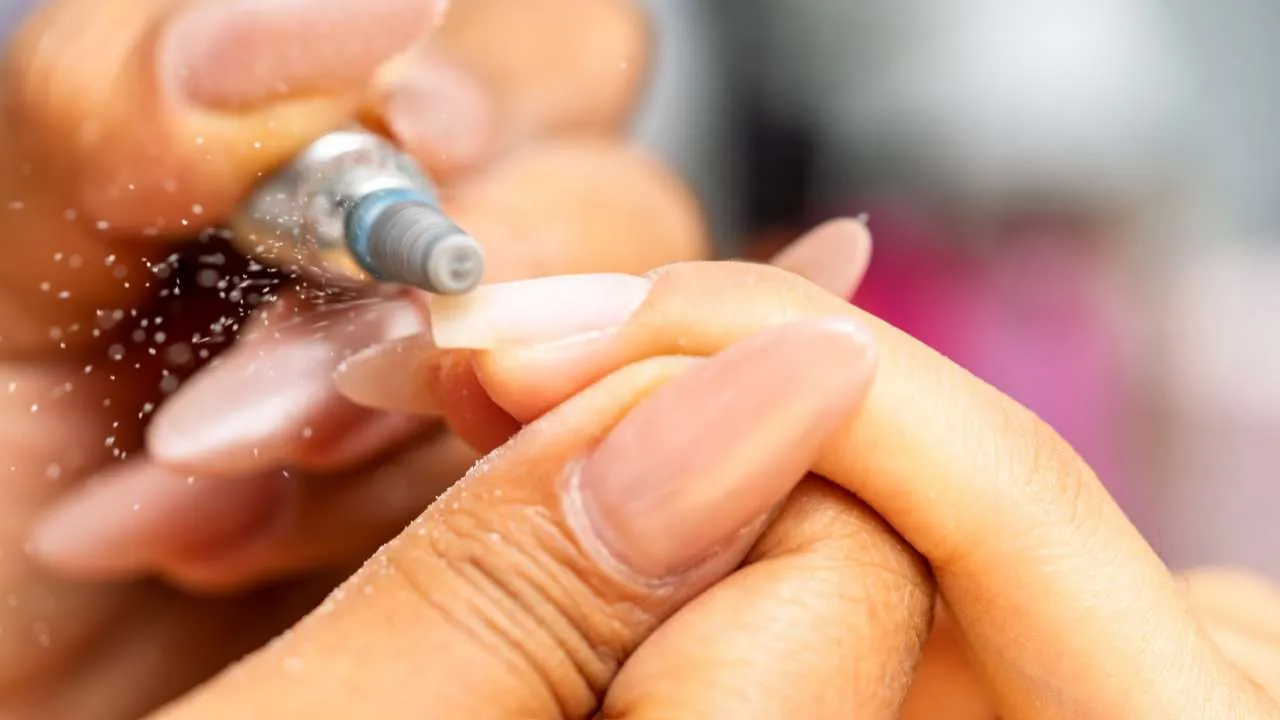
Over-filing is one possible cause of pain. Aggressive use of an electric file with a coarse grit or applying too much pressure can thin the nail plate and may contribute to sensitivity. Pain does not establish that the nail bed is exposed or identify the cause.
An enhancement that is too long, thick, or poorly balanced may be less comfortable or more vulnerable to catching and impact. These factors do not establish the cause of pain; seek assessment for severe, persistent, or worsening symptoms.
Product should not be applied to surrounding living skin. Skin contact can irritate some people or contribute to a product reaction, while lifting can have several causes. Neither lifting nor pain alone proves that bacteria are present; seek medical advice for redness, warmth, swelling, drainage, fever, or a rash.
Symptoms that deserve attention
| What you notice | What it can mean | What to do |
|---|---|---|
| Mild or brief tenderness | Has more than one possible cause; does not by itself establish injury or infection. | Pause further nail work and monitor how it changes. |
| Severe, persistent, or worsening pain | Needs individual assessment. | Seek medical advice. |
| Redness, warmth, swelling, drainage, fever, rash, or nail separation | Can have different causes and should not be diagnosed from an article. | Contact a healthcare professional promptly. |
How can you relieve and safely remove painful acrylic nails?
Do not mask severe or worsening pain with a home remedy or attempt removal as a substitute for assessment. Seek medical advice for warning signs, and do not pry, pick, or peel the enhancement.
If discomfort is mild and there are no warning signs, avoid further filing or product application and protect the nails from bumps. If pain persists, worsens, or is accompanied by redness, warmth, swelling, drainage, fever, nail separation, or rash, seek medical advice.
Do not pry, bite, or peel acrylic off. Stop the service and seek medical advice for severe or worsening pain, redness, warmth, swelling, pus or other drainage, fever, or rash. A qualified nail professional can advise on removal, but suspected infection or injury needs a healthcare professional’s assessment.
Safe at-home acrylic removal methods
If acrylic removal is being considered because a nail hurts, first get advice from a healthcare professional when there is severe pain, redness, warmth, swelling, drainage, fever, nail separation, or a rash. For other cases, ask a qualified nail professional to identify the product and follow its manufacturer-specific removal directions. Do not assume one solvent, soak time, tool, or method is appropriate for every set. Stop if removal resists or hurts; do not scrape, pry, pick, or peel the product off. Cured acrylic and adhesive press-ons are different products and require different instructions.
Avoiding future acrylic nail discomfort
Careful service and appropriate tool processing may reduce some risks but cannot guarantee a pain-free result or prevent every problem. Ask how reusable tools are processed, which items are single-use, and how the provider will respond if you report pain.
Ask how reusable tools are cleaned and processed and which items are single-use. The correct process depends on the tool, product instructions, and local requirements; do not make a legal claim that every tool must be sterilized.
Communication during your appointment: If you feel any pain, burning, or uncomfortable pressure while the technician is filing or applying the product, speak up immediately and ask the technician to adjust or pause the service. Never feel shy about speaking up if something feels wrong.
Considering length and shape: Length and shape affect how easily an enhancement catches or is bumped. Some people prefer shorter nails for daily activities, but shape alone cannot guarantee comfort or prevent injury.
Prioritizing your nail health and comfort with professional care
A service name or enhancement type does not guarantee pain-free results.
Common causes and what helps
| Cause | What helps |
|---|---|
| Tight, thick or heavy sets | Ask the technician to thin or rebalance the set |
| Over-filing the natural nail | Rest nails and moisturize. Ask for light filing next time |
| Product on the skin | Ask for the product to be kept off the skin |
| Lifting | Have it repaired or removed, and do not pick at it |
| Allergic reaction (itching, redness, rash) | Stop the product and see a doctor or dermatologist |
FAQ's about acrylic nails hurts
Does acrylic nail pain mean infection?
Tenderness is not enough to identify infection. Redness, warmth, swelling, drainage, fever, or worsening pain should be assessed by a healthcare professional.
How long should nails hurt after acrylics?
There is no universal deadline for post-service pain. If pain persists, worsens, or comes with redness, warmth, swelling, drainage, fever, nail separation, or rash, seek professional or medical advice.
Can tight acrylic nails cause permanent damage?
Persistent or worsening tightness should be assessed; pain alone cannot show whether the nail plate or surrounding tissue is damaged.
Why do my fingernails ache when pressed after acrylics?
Pain on pressure has several possible causes and does not by itself prove over-filing. Seek assessment if it persists or worsens.
What is the distinction between acrylics and builder gel concerning nail pain?
Acrylic and builder gel use different product systems, but neither guarantees a pain-free service. Pain after application has several possible causes and should be assessed if it persists or worsens.
Can acrylic nails cause fungal infections?
Lifting can trap moisture or debris, but that does not establish that a fungal infection is present. Do not cover or glue over lifting; have it assessed and seek medical advice for concerning symptoms.
What should I do immediately if I experience severe pain?
If pain is severe or there are signs such as redness, warmth, swelling, drainage, fever, or rash, seek medical advice promptly. Do not try to remove the product yourself while waiting for assessment.
Understanding pain-free nail care
Discuss your nail condition and product options with a qualified provider, and speak up if the service hurts. No enhancement or maintenance routine can guarantee a pain-free result.
When should I remove painful acrylics?
If pain is severe, worsening, or comes with swelling, redness, pus or fever, have them removed and see a doctor promptly.
Related guides
More in this topic: Acrylic Nails guides.