

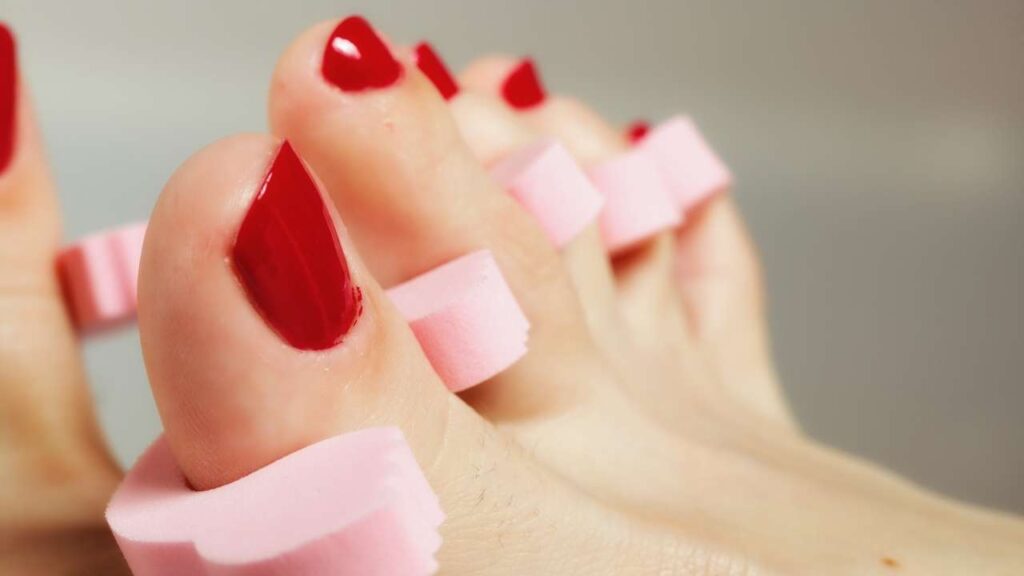
You glance down at your feet and notice it immediately, that one toenail that’s uneven, discolored, or damaged from an old injury. Maybe it’s the result of a stubbed toe that never quite healed right, or perhaps years of tight shoes have left your nails looking less than perfect. Whatever the cause, the feeling is the same: a quiet reluctance to slip into those strappy sandals or walk barefoot on the beach. You want your toes to look polished and photo-ready, but you also can’t shake the nagging worry about whether covering up the problem might create bigger issues down the road.
Enter the world of acrylic toenails, a trend that’s exploded across social media feeds and nail salons alike. Dubbed the “toe BBL” by beauty enthusiasts, this technique promises to transform misshapen or damaged nails into perfectly uniform, Instagram-worthy masterpieces that last for weeks. The appeal is undeniable: imagine never worrying about chipped polish or uneven nail shapes again. But as more people adopt this trend, legitimate questions about safety have emerged. Can something designed for fingernails really work the same way on toes? What happens when acrylic meets the dark, enclosed environment of your favorite work heels?
This article cuts through the noise to give you an honest, expert-driven look at acrylic nails on toes. We’ll explore what makes them so popular, examine the real health risks that podiatrists and nail professionals warn about, and reveal why the biology of toenails makes them fundamentally different from fingernails when it comes to enhancements. Most importantly, you’ll discover that achieving long-lasting, flawless toes doesn’t require compromising your nail health, there are advanced alternatives that deliver the same polished results without the potential pitfalls.
What are acrylic nails on toes and why are they trending?
Acrylic toenails are created by combining a liquid monomer with a powder polymer to form a durable, hard layer over your natural nail. This mixture hardens quickly once applied, creating a smooth, sturdy surface that can be shaped, filed, and painted just like a natural nail, but with significantly more strength and longevity. The technique has been used on fingernails for decades, but its application to toes represents a relatively new frontier in nail enhancement.
The primary appeal lies in correction and uniformity. If you have a toenail that’s naturally smaller than the others, grows in an awkward shape, or has been damaged by trauma, acrylic can “build out” the nail to match its neighbors perfectly. This creates a symmetrical, balanced look across all ten toes that’s nearly impossible to achieve with natural nails alone. For many people, this transformation is nothing short of confidence-boosting.
Beyond correction, acrylic toes offer remarkable durability for busy lifestyles. While traditional polish might chip within days of application, acrylic provides a rock-solid base that can hold intricate designs and vibrant colors for three to four weeks without significant wear. This extended lifespan means fewer trips to the salon and more time enjoying your polished look, a major selling point for professionals juggling demanding schedules.
The design possibilities have fueled much of the trend’s popularity:
Classic French tips remain timeless, with variations like the “deep French” (where the white tip extends further down the nail) and “double French” (featuring two colored tips) adding modern twists to a traditional favorite
Neutral and nude shades create an understated elegance perfect for professional settings
Chrome finishes in gold, silver, or iridescent purple deliver high-impact shine
Cat eye effects, created with magnetic gel polish over acrylic, produce a mesmerizing dimensional look that catches light beautifully
Custom nail art with rhinestones, delicate marble effects, and intricate designs transform toes into miniature works of art for special occasions like weddings or milestone celebrations
Social media platforms have normalized and amplified this trend exponentially. Scrolling through beauty feeds reveals countless images of flawless acrylic toes in every imaginable style, making the enhancement seem like a standard beauty practice rather than an optional luxury. The visual impact of perfectly shaped, uniformly colored toes has created aspirational content that drives demand in salons nationwide.
It’s worth noting that many nail technicians recommend applying acrylic primarily to the big toe rather than all ten toes. This focused approach allows for dramatic correction or artistic expression on the most visible nail while avoiding the potential discomfort and pressure issues that can arise from having rigid enhancements on all toes inside shoes.
Are acrylic toenails bad for your feet?
While acrylic toenails can deliver impressive aesthetic results, the biology of feet introduces safety considerations that don’t apply to fingernails. Understanding these risks is essential for making an informed decision about whether this enhancement is right for you.
Moisture trapping and infection risk
The most significant concern revolves around moisture trapping and infection risk. Acrylic is a porous material, meaning it contains microscopic spaces that can absorb and hold moisture. Your toenails spend the majority of their time in a dark, warm, enclosed environment, inside socks and shoes, where sweat accumulates naturally. If even a tiny gap exists between the acrylic enhancement and your natural nail (which can happen as the nail grows or if application isn’t perfectly precise), moisture can seep underneath and become trapped.
This creates an ideal breeding ground for:
Fungal infections that thrive in warm, moist environments
Bacterial growth, including pseudomonas bacteria, which causes the telltale green discoloration known as “greenies”
Persistent odor that develops as microorganisms multiply
Unlike fingernails, which are exposed to air and light throughout the day, toenails lack the natural ventilation that helps prevent these issues.
Rigidity and trauma concerns
The rigidity of acrylic presents another serious risk. Natural nails have a degree of flexibility that allows them to absorb minor impacts without damage. Acrylic, however, is completely inflexible. When you stub your toe or wear shoes that are even slightly too tight, the acrylic doesn’t bend or give, instead, it transfers the full force of that impact directly to your nail bed.
This can cause:
Onycholysis (the natural nail lifting away from the skin underneath), which is not only painful but also creates yet another space where moisture and bacteria can accumulate
Trauma to the nail matrix, the tissue responsible for nail growth, potentially leading to permanent changes in how your nail grows
Bruising and bleeding beneath the nail plate in severe cases
Slow growth compounds problems
The slow growth rate of toenails compared to fingernails makes these problems worse. Because toenails grow so slowly, people often leave acrylic enhancements on for extended periods, sometimes six weeks or longer. During this time, any issues developing beneath the opaque acrylic layer remain completely hidden from view. By the time you remove the enhancement and discover a fungal infection or significant lifting, the problem may have progressed considerably and require medical treatment to resolve.
Application quality matters
Many of the risks associated with acrylic toenails stem from improper technique rather than the product itself. If the nail plate isn’t properly dehydrated before application, if the acrylic touches the surrounding skin, or if gaps are left between the enhancement and the natural nail, problems become almost inevitable. Unfortunately, not all nail technicians receive thorough training in proper acrylic application for toes, and some salons prioritize speed over precision.
Removal hazards
The removal process presents its own hazards. Many people, frustrated by the time required for proper removal, attempt to peel, clip, or rip off acrylic toenails at home. This is one of the worst things you can do to your nails. Acrylic bonds strongly to the nail plate, and forcibly removing it strips away layers of your natural nail, leaving it thin, weak, and vulnerable to infection. The damage from improper removal can take months to grow out completely.
High-risk individuals
Certain individuals face heightened risks and should approach acrylic toenails with extreme caution or avoid them entirely:
People with diabetes often have compromised circulation in their feet and reduced ability to fight infections
Those with compromised immune systems face similar concerns
If you already have nail trauma, fungal infections, or chronic nail pain, adding acrylic on top can worsen these conditions rather than concealing them
Professional acrylic toenail application and safe removal
If you decide to proceed with acrylic toenails, the difference between a safe, successful experience and a damaging one comes down to professional expertise and proper technique. Understanding what constitutes quality application and removal helps you choose the right salon and protect your nail health.
Precision application standards
Proper application begins with meticulous preparation. A skilled technician will:
Thoroughly clean the nail and surrounding skin
Carefully push back and remove excess cuticle tissue to create a clean working surface
Properly dehydrate the nail plate using a specialized primer or dehydrator, this step is essential because any moisture or oils left on the nail will prevent the acrylic from bonding correctly
Apply the acrylic in thin, even layers that follow the natural contour of your nail
Never allow the acrylic to touch the surrounding skin or cuticle area
Create a seamless bond with no air pockets or spaces where moisture can accumulate
Medical-grade sanitation is non-negotiable
The salon you choose should use autoclaves, the same sterilization equipment used in hospitals and dental offices, to sterilize all metal tools and e-file bits between clients. This level of sanitation eliminates the risk of cross-contamination and infection transmission. Ask to see the autoclave and inquire about their sterilization protocols before booking your appointment. If a salon can’t clearly explain their sanitation process or doesn’t use an autoclave, walk away.
Safe removal requires patience
The removal process should never involve forceful prying or aggressive scraping:
The technician will gently file the surface of the acrylic to break the seal of the topcoat
Cotton pads soaked in pure acetone are placed on each nail and wrapped with foil
After 15 to 20 minutes, the acetone will have softened the acrylic enough that it can be gently buffed away
If the product remains hard, the soaking process must be repeated, never should metal tools be used to scrape or pry at stubborn acrylic
Red flags to watch for
Watch for these warning signs that indicate a salon doesn’t prioritize safety:
Technicians rushing through the application process
Acrylic applied so thick that your toes feel uncomfortable in shoes
Metal implements used to aggressively scrape during removal
Pain during application or removal (properly executed acrylic services should be comfortable)
Inability to clearly explain sanitation procedures
Maintenance scheduling
Even with perfect application, acrylic toenails should be professionally evaluated every three to four weeks maximum. During these appointments, the technician should check for any signs of lifting, moisture accumulation, or infection. If you notice any unusual odor, discoloration, pain, or separation between the acrylic and your natural nail between appointments, remove the enhancement immediately and consult a healthcare provider if needed.
Russian pedicure and advanced nail care at Xpert Russian Manicure Salon
For those seeking the polished, long-lasting look of enhanced toenails without the risks associated with acrylic, the Russian pedicure represents a revolutionary approach that prioritizes natural nail integrity while delivering exceptional aesthetic results. At Xpert Russian Manicure Salon, this advanced technique has become the preferred choice for clients who refuse to compromise between beauty and health.
What makes the Russian pedicure different
The Russian pedicure is fundamentally different from traditional methods. Instead of soaking feet in water and using manual tools, this precision-based technique employs a specialized electric file (e-file) equipped with fine diamond bits to gently remove dead skin and excess cuticle tissue in a completely dry environment.
This waterless approach immediately eliminates one of the primary infection risks associated with conventional pedicures, communal foot baths that can harbor bacteria and fungi despite sanitization efforts. The dry technique also allows for significantly more precise work, as the technician can see exactly what they’re removing without the distortion caused by water-softened tissue.
Health-first philosophy
The health-first philosophy extends to every aspect of the service. Xpert Russian Manicure Salon uses medical-grade autoclaves to sterilize all metal tools and e-file bits, the same hospital-level sterilization used for surgical instruments. This uncompromising approach to hygiene provides peace of mind that’s impossible to achieve in salons using lower-grade sanitization methods.
The controlled, gentle nature of the e-file work means that only dead tissue is removed, protecting the living nail matrix and surrounding skin from the nicks, cuts, and trauma that can lead to infections like paronychia.
Results that rival acrylic longevity
The results rival the longevity of acrylic enhancements without any of the associated risks. Because the Russian pedicure involves such meticulous nail preparation, cleaning the cuticle area with extreme precision and creating a perfectly smooth nail surface, gel polish can be applied much closer to the cuticle line than in traditional pedicures.
This seamless application, combined with the dry preparation technique, allows the polish to adhere exceptionally well and last three to five weeks without lifting, chipping, or peeling. Your toes remain photo-ready through workdays, workouts, and nights out, eliminating the need for frequent touch-ups or the potential damage from repeated acrylic applications and removals.
Strengthens natural nails
Rather than covering your natural nails with artificial products, the Russian pedicure actually strengthens and refines their structure. The precise e-file work smooths the nail edges and removes irregularities, promoting healthier, more uniform growth over time. Clients often notice that their natural nails become stronger and more resilient with regular Russian pedicures, as the technique addresses underlying issues rather than simply masking them.
Advanced correction for problem nails
For clients dealing with severely damaged, ingrown, or chronically problematic toenails, situations where acrylic might seem like the only cosmetic option, Xpert Russian Manicure Salon offers the Onyfix nail correction system. This advanced, non-invasive treatment uses a specialized resin to gently retrain the nail’s growth pattern, correcting issues like curling or ingrown edges without the infection risks or nail damage associated with acrylic.
The Onyfix system is completely non-porous, creating a hygienic seal that prevents moisture accumulation while gradually guiding the nail to grow in a healthier, flatter shape. It can be worn under gel polish, making it invisible while it works to restore your nail’s natural structure.
Comprehensive aftercare support
The commitment to long-term nail health extends beyond the salon visit. Xpert provides curated aftercare recommendations, including professional-grade cuticle oil and rich foot cream formulations designed to maintain the health and appearance of your nails and skin between appointments. Daily application of these products keeps cuticles soft and hydrated, prevents dryness and cracking, and helps extend the life of your pedicure even further.
The Russian pedicure delivers the sophisticated, long-lasting aesthetic that draws people to acrylic toenails, but achieves it by enhancing rather than covering your natural nails. For professionals who value both appearance and health, this approach offers the best of both worlds, flawless results that last for weeks, achieved through techniques that strengthen and protect your feet rather than putting them at risk.
FAQs about acrylic nails on toes
How long do acrylic nails on toes last?
Acrylic toenails typically last three to four weeks before requiring a fill or complete removal. However, it’s important not to leave them on longer than this timeframe, despite the temptation. Because toenails grow much slower than fingernails, people often extend wear time to six weeks or more, which significantly increases the risk of moisture accumulation beneath the enhancement and hidden damage developing unnoticed. In comparison, a Russian pedicure with gel polish offers similar longevity (three to five weeks) without any of the infection or damage risks associated with acrylic.
Can acrylic toenails cause fungus?
Acrylic material itself doesn’t cause fungal infections, but improper application or any gaps between the enhancement and your natural nail create an ideal environment for fungus to thrive. When moisture from sweat becomes trapped in the dark, warm space beneath the acrylic, fungal spores can multiply rapidly. This risk is particularly high with toenails because they spend most of their time enclosed in shoes, unlike fingernails which are exposed to air and light. The key to prevention is flawless professional application with absolutely no lifting or gaps. Alternatively, the dry, waterless technique used in Russian pedicures eliminates this moisture-trapping risk entirely, making it a safer choice for those concerned about fungal infections.
Is it safe to get acrylic nails on your toes?
Acrylic toenails can be safe when applied by a highly skilled, properly trained technician in a salon that maintains medical-grade sanitation standards. However, toenails face challenges that make enhancements riskier than on fingernails, they’re constantly enclosed in shoes where moisture accumulates, they grow slowly (making problems harder to detect), and they’re more vulnerable to impact trauma due to acrylic’s rigidity. Individuals with diabetes, compromised immune systems, poor circulation, or existing nail damage should avoid acrylic toenails entirely, as they face significantly elevated infection and complication risks. For most people, safer alternatives like the Russian pedicure with gel polish provide comparable aesthetic results with far fewer health concerns.
How much do acrylic toes cost?
The cost of acrylic toenails typically ranges from $40 to $80, depending on your location, the salon’s reputation, and the complexity of the design you choose. Prices vary based on whether acrylic is applied to all ten toes or just the big toe (which is often recommended to minimize pressure and discomfort in shoes). While this might seem like a reasonable investment for long-lasting results, consider that a high-quality Russian pedicure offers better overall value. The extended wear time (three to five weeks), superior nail health benefits, and elimination of infection risks mean you’re investing in both beauty and wellness rather than potentially compromising your foot health for aesthetics alone.