
Are Russian Manicures Illegal in the US?
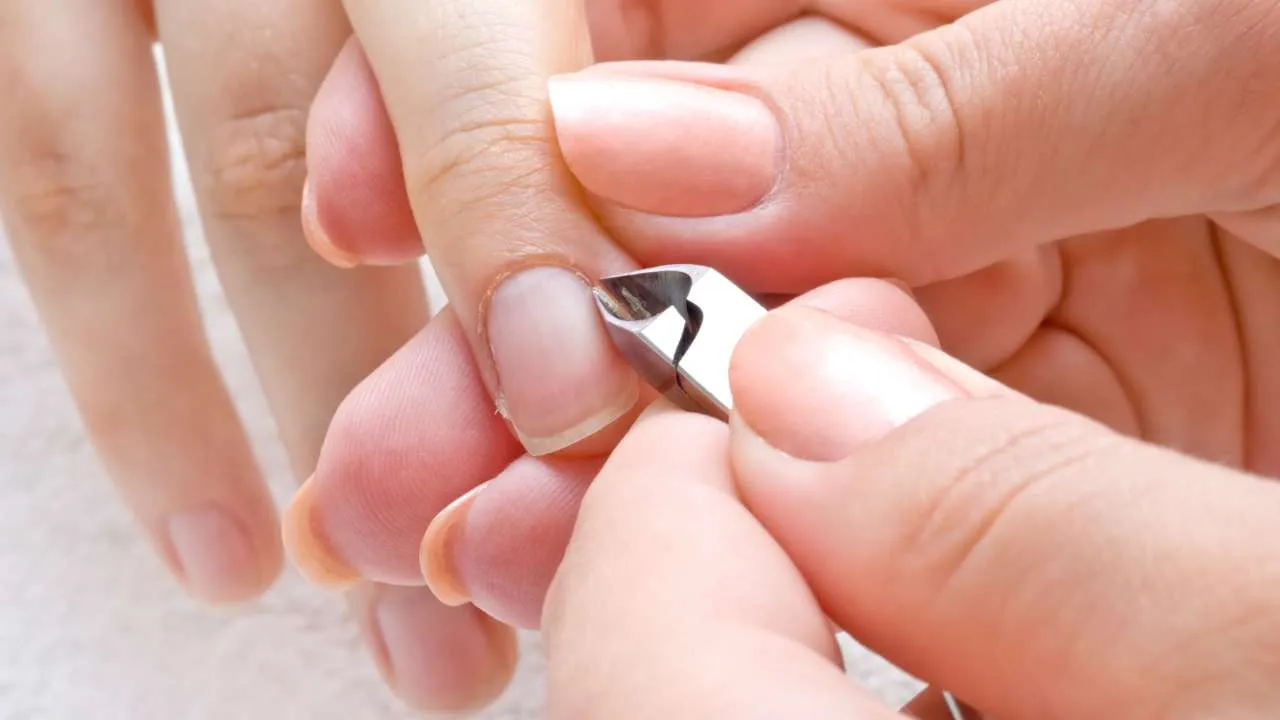
Short answer: No federal law bans Russian manicures. Rules come from state cosmetology boards, which license who may do which services and may restrict e-file use on the skin or cutting living skin. Check your own state board and ask the salon what its license covers.
“Russian manicure” is a service label, not a single federal license category. Whether a particular service is permitted depends on the work performed and the current state or local rules that apply to the technician and salon. This page offers a way to check those rules; it is not a complete 50-state legal survey or legal advice.
How to check the rules where you live
Start with your state’s cosmetology or barbering board and look for current rules on manicurist licensing, salon licensing, sanitation, and the scope of services. If the state guidance is unclear, contact the board directly. Do not assume that a service name determines whether every technique used under that name is allowed.
For Boston-area readers, Massachusetts provides a consumer fact sheet for hairdressers, manicurists, and aestheticians. Use the current state guidance for licensing and consumer questions; do not rely on this article to interpret a specific service or case.
Why the exact service matters
A manicure described as “Russian” may involve dry nail preparation, e-file work, cuticle trimming, or combinations that vary from salon to salon. Ask the provider to explain what will be done. The label alone does not confirm training, licensing, sanitation, or legal compliance.
Safety questions are separate from legal questions. The American Academy of Dermatology advises leaving cuticles intact; cutting them can increase the chance that germs enter. You can decline cuticle work or stop a service if you feel uncomfortable.
Questions to ask a salon
What steps are included in the service, including any e-file or cuticle work?
What license is required for this work in this location, and is the technician licensed?
How are reusable tools cleaned and processed, and which items are single-use?
Can I decline a step or ask the technician to stop?
If you believe a salon or technician is operating outside local rules, contact the relevant licensing authority for guidance.
Is a Russian manicure illegal in every state?
This article does not make a nationwide yes-or-no claim. Rules and service details vary and can change. Check the current board guidance in the state or city where the service will take place.
The short answer
There is no single nationwide rule that bans or permits Russian manicures as a named service. Regulation of manicuring happens mostly at the state level and sometimes at the city or county level, so the answer depends on where the service is performed and on exactly what it involves. A service can be lawful in one jurisdiction and restricted in another, and rules can change over time.
Service labels do not define legal scope
Terms like Russian manicure, dry manicure, or e-file manicure are descriptions rather than license categories. Boards regulate activities: cleaning and preparing the nail, filing, applying and removing product, and working on the skin around the nail. Two salons can advertise the same label while performing different combinations of those activities, which is why the label alone cannot tell you whether a service conforms to local rules.
What a manicurist license covers
A manicurist or nail technician license generally authorizes a defined scope of practice, meaning services to the nails and surrounding tissue that the board lists, along with required training and sanitation conditions. A cosmetology license is broader and typically covers hair, skin, and nails, and some jurisdictions issue separate licenses or expect an endorsement for certain tools or services. Whether and how an electric file may be used can also appear in board rules or in sanitation guidance.
Cuticle cutting in the rules and in health guidance
Cuticle work is where rules and marketing language often diverge. Some boards address cutting, trimming, or removing living tissue near the nail, and some restrict it to particular licensees. Separately, the AAD's manicure and pedicure safety guidance and its guidance on trimming nails advise leaving the cuticle intact, because cutting it can open the skin to germs. A permitted step is not necessarily an advisable one.
How to look up your state board
Search for the board of cosmetology, barbering, or the office that licenses nail technicians in your state, and read the current statutes and rules rather than a summary page. Look for the scope of practice, sanitation and disinfection requirements, and any language about cutting or removing skin. If the text is unclear, call or email the board and describe the specific steps in the service, not just the service name. Massachusetts readers can begin with the state consumer fact sheet for hairdressers, manicurists, and aestheticians.
Questions that get a useful answer
Which license does the technician hold, and is it current?
Which planned steps involve cutting or filing living tissue?
How are reusable tools cleaned, disinfected, or sterilized, and which items are single-use?
Is the salon licensed for this location?
Why one state's rule cannot settle the question nationally
State boards write their own rules and revise them on their own schedules, so a policy in one state says little about the rules in another, and a city health department may add requirements of its own. A single citation, complaint, or news story is not evidence of a nationwide ban either. The reliable path is to check the rules that apply where you will actually sit in the chair. For related topics, see Russian manicure safety and who should not get a Russian pedicure.
What state rules commonly cover
| Area | What a board may regulate |
|---|---|
| Licensing | Who may perform nail services, and the training required |
| E-file use | Whether e-files may be used on the nail plate only or near the skin |
| Cuticle work | Rules on cutting or removing living skin and which tools may be used |
| Sanitation | How reusable tools are cleaned, disinfected or sterilized |
| Single-use items | Which porous items must be discarded after one client |
These areas vary by state, and rules change, so use your board's current guidance rather than a summary. This page is not legal advice.
Is using an e-file on nails legal?
In general, e-files are widely used on the nail plate. Some boards limit use near living skin, so check your state board.
How can I check a technician's license?
Many state boards offer an online license lookup. Ask the salon where the license is displayed.
Related guides
More in this topic: Russian Manicure guides.