

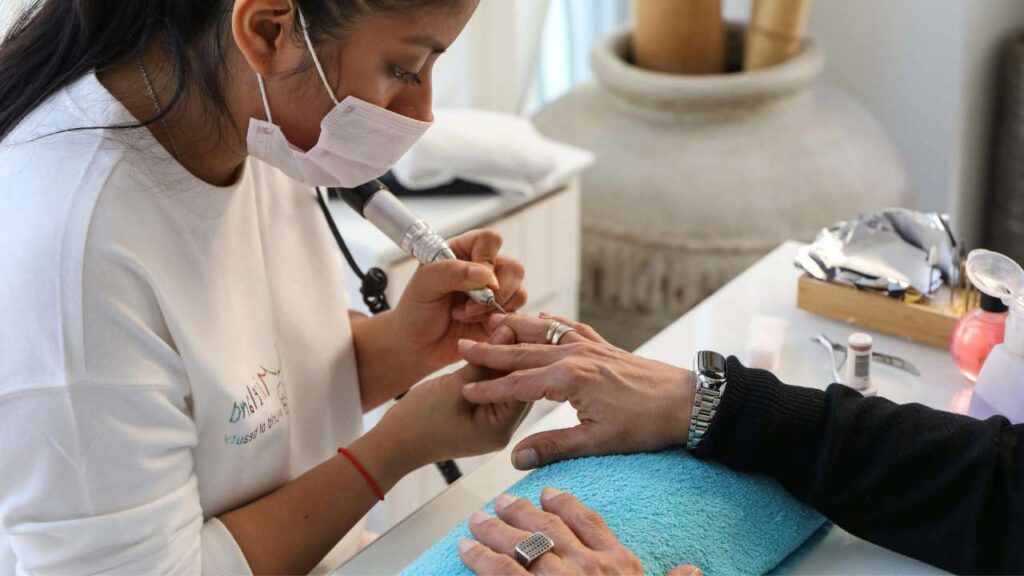
You leave the salon feeling polished and confident, admiring the flawless finish of your new Russian manicure. Three days later, you notice a chip near the edge. By day five, the polish is lifting at the cuticle. By the end of the week, your supposedly long-lasting manicure looks like it’s been through a month of wear. Sound familiar?
Here’s a fact that might surprise you: traditional manicures typically last 5-7 days before showing visible wear, while a properly executed Russian manicure should maintain its pristine appearance for 3-4 weeks. That’s not a small difference. That’s the difference between weekly salon visits and monthly maintenance appointments. So if your Russian manicure is failing within days instead of weeks, something has gone seriously wrong.
The frustration isn’t just about wasted money or time (though a Russian manicure is a significant investment of both). It’s about the gap between expectation and reality. You chose this technique specifically because you were promised durability. You were told this was the answer for busy professionals who need their nails to look impeccable through client meetings, networking events, and daily life without constant touch-ups.
The truth is, when a Russian manicure fails prematurely, it’s rarely the technique itself that’s at fault. The problem usually lies in one of four critical areas: the quality of nail preparation, the skill level of your technician, your aftercare routine, or the products being used. Each of these factors plays a non-negotiable role in determining whether your manicure lasts three days or three weeks.
In this article, we’ll break down exactly why some Russian manicures fail to deliver on their longevity promise. More importantly, you’ll learn the specific red flags to watch for during your appointment, the questions to ask your technician, and the daily habits that can either extend or destroy your manicure’s lifespan. By the end, you’ll understand not just what went wrong with your last manicure, but how to make sure your next one achieves the full four-week wear you’re paying for.
The biggest culprits behind short-lived Russian manicures
When a Russian manicure chips or lifts within days, the failure almost always traces back to what happened before the first layer of gel touched your nail. The foundation determines everything.
Inadequate nail preparation is responsible for up to 90% of premature manicure failure. This isn’t an exaggeration. Your nail plate is naturally covered with a thin layer of oils and dead cuticle tissue. If these aren’t completely removed, the gel has nothing to grip. Think of it like trying to apply a sticker to a greasy surface. It might look fine initially, but it won’t stay put.
Proper preparation requires three specific steps:
Cuticle removal: The technician must thoroughly remove all dead cuticle tissue using an e-file. This isn’t just pushing back the visible cuticle. It’s removing the thin, transparent layer of dead skin (called pterygium) that clings to the nail plate itself.
Dehydration: The nail must be dehydrated using a professional prep solution that removes every trace of natural oils.
Surface texturing: The surface needs to be lightly textured (not filed down, but gently buffed) to create microscopic grooves that help the gel bond.
Skip any of these steps, and you’re setting yourself up for lifting within days.
“Proper nail preparation is the foundation of any long-lasting manicure. Without it, even the best products and techniques will fail.” – Naseem Dar Professional Nail Technician
Technician skill and training gaps represent the single most significant factor in whether your manicure lasts three days or three weeks. The Russian manicure technique requires specialized training that goes far beyond basic cosmetology school. An inexperienced technician might use the wrong e-file bit, apply too much pressure (thinning your natural nail), or work at the wrong speed. Each of these mistakes compromises adhesion.
The difference between a trained specialist and a general nail technician is dramatic. A properly trained technician understands nail anatomy. They know where the nail matrix (the growth center) is located and how to work around it without causing damage. They understand that different areas of the nail require different bits and different pressure levels. They’ve been trained to recognize when a nail is properly prepped versus when it just looks clean to the untrained eye.
At Xpert Russian Manicure Salon, our certified technicians undergo advanced training specifically in the Russian dry manicure technique. This includes mastering e-file speed control, bit selection for different nail types, and the precise pressure required to remove dead tissue without compromising the living nail plate. This level of expertise is what separates a manicure that lasts five days from one that lasts five weeks.
Product quality issues create another common failure point. Not all gel systems are created equal. Budget products often lack the sophisticated polymers that create strong, flexible bonds. They may cure inconsistently under the lamp, leaving some areas soft while others harden. The base coat is particularly critical because it’s the layer that bonds directly to your natural nail. A substandard base coat will fail regardless of how perfect the preparation was.
Professional-grade products are formulated with specific ratios of photoinitiators (the compounds that react to UV light), oligomers (for flexibility), and adhesion promoters. These aren’t just marketing terms. They’re the chemical components that determine whether your manicure survives daily hand washing or lifts at the first sign of moisture.
Application technique problems can undermine even the best preparation and products. Thick, uneven layers don’t cure properly because UV light can’t penetrate all the way through. This leaves a soft, gummy layer underneath that eventually separates from the nail. Proper application requires thin, even coats with complete curing between each layer.
Builder gel placement is another technical skill that directly impacts durability. The gel should be slightly thicker at the center of the nail (the apex) and thinner at the edges. This creates structural integrity that prevents the nail from flexing and cracking under stress. When the builder is applied too thickly at the edges or too thinly at the center, the nail becomes weak and prone to breaking.
Environmental and lifestyle factors accelerate wear even on well-executed manicures. Your hands encounter water dozens of times per day through hand washing, showering, and dishwashing. Each exposure causes the nail plate to absorb moisture and expand slightly, then contract as it dries. This constant expansion and contraction puts stress on the gel bond.
Harsh chemicals are equally damaging. Hand sanitizers, cleaning products, and even some lotions contain ingredients that break down the gel polymer chains. If you’re constantly using hand sanitizer (as many professionals do), you’re essentially bathing your manicure in a solvent multiple times per day.
Using your nails as tools creates mechanical stress that no manicure can withstand indefinitely. Opening soda cans, scraping off stickers, typing with excessive force—these actions bend the nail plate, and when the nail flexes, the rigid gel layer can separate from it. The answer isn’t to avoid using your hands, but to be mindful of how much stress you’re placing directly on the nail tips.
How to make your Russian manicure last the full 4 weeks
Achieving the full four-week lifespan of a Russian manicure requires a partnership between your technician’s expertise and your daily maintenance routine. The work doesn’t end when you leave the salon.
Pre-appointment preparation begins 48 hours before you sit in the chair. Avoid applying cuticle oil or heavy hand creams during this window. These products are beneficial for nail health, but they leave a residue that interferes with the dehydration process during your appointment. Your technician will apply prep solutions to remove oils, but starting with naturally dry nails gives them a better foundation to work with.
On the day of your appointment, wash your hands with regular soap (not moisturizing soap) and avoid applying any hand products. Your nails should be completely clean and dry when you arrive. This simple step can add days to your manicure’s lifespan.
Essential daily maintenance starts 48 hours after your appointment, once the gel has fully cured and hardened. At this point, cuticle oil becomes your most important tool. Apply it daily, focusing on the skin around the nail and the cuticle area. This keeps the surrounding skin hydrated and prevents it from becoming dry and ragged.
The skin around your nails needs moisture, but the nail plate itself should stay as dry as possible between hand washings. After washing your hands, dry them thoroughly, paying special attention to the area where the gel meets the cuticle. Moisture that sits in this area can work its way under the gel edge, causing lifting.
Quality hand moisturizer is important, but apply it strategically. Focus on the backs of your hands and your fingers, avoiding the immediate nail area for the first few days after your appointment. Once the gel is fully cured, you can apply moisturizer more liberally, but always dry your hands completely afterward.
Treat your nails as jewelry, not tools. This mindset shift is critical for longevity. Before you use your nail to scrape, pry, or pick at something, pause and find the proper tool. Keep a small screwdriver, letter opener, or similar tool in your desk or bag. These small changes in habit can prevent the mechanical stress that causes even well-applied gel to lift or crack.
Environmental protection strategies make a measurable difference in wear time:
Wear waterproof gloves: Invest in quality waterproof gloves for household chores. Cleaning products, dish soap, and prolonged water exposure are the top environmental threats to gel durability. Gloves eliminate these threats entirely.
Minimize water exposure: Long showers and baths cause your nail plates to absorb significant amounts of water. While you can’t avoid showering, you can be mindful of keeping your hands out of the direct water stream when possible. After bathing, dry your hands and nails thoroughly.
Limit hand sanitizer use: Hand sanitizer is necessary for hygiene, but excessive use breaks down gel polymers. When possible, choose hand washing with soap and water over sanitizer. When you must use sanitizer, apply it to your palms and rub it in quickly, minimizing the time it sits on your nails.
Professional maintenance timing is non-negotiable for nail health. Schedule your removal or fill appointment within four weeks. Pushing beyond this timeframe might seem like you’re getting extra value, but you’re actually risking damage to your natural nails. As the gel grows out, the center of gravity shifts forward on the nail. This creates a stress point where the natural nail is more likely to crack or break.
Never peel or pick at lifting gel. This is perhaps the most important rule. When gel lifts, it’s bonded to layers of your natural nail plate. Peeling it off removes those layers, leaving your nail thin, weak, and damaged. If you notice lifting, apply cuticle oil to the area to prevent it from catching on things, and schedule a professional repair appointment.
Professional removal is always safer than DIY methods. Technicians use controlled techniques and proper products to dissolve the gel without damaging your natural nail. Attempting to soak off gel at home often results in over-soaking (which weakens the nail) or impatient peeling (which damages it).
Xpert Russian Manicure Salon offers curated hand and foot care products specifically selected to support manicure longevity between appointments. These professional-grade items are formulated to hydrate skin without leaving the oily residue that can compromise gel adhesion. Our technicians can recommend the specific products that work best with your nail type and lifestyle.
Lifestyle adjustments don’t require major changes, just increased awareness. Notice which activities put the most stress on your nails. For most people, it’s typing, opening containers, and cleaning. For each of these activities, there’s a modification that reduces nail stress. Use the pads of your fingers for typing instead of your nails. Use tools to open containers. Wear gloves for cleaning.
The goal isn’t to baby your hands or avoid normal activities. The goal is to eliminate the unnecessary stress that shortens your manicure’s lifespan. With these adjustments, a four-week wear time becomes the standard rather than the exception.
FAQs about Russian manicure aftercare
How long should a Russian manicure last?
A properly executed Russian manicure should last 3-4 weeks with a flawless appearance. At Xpert Russian Manicure Salon, our clients regularly experience 3-5 weeks of pristine wear because of our certified technicians’ advanced training and meticulous preparation techniques. This is dramatically longer than traditional manicures, which typically show visible wear within 7-10 days. The actual duration depends on three factors: the skill level of your technician, the quality of the initial preparation, and how well you follow aftercare guidelines. Active lifestyles and frequent water exposure may reduce wear time slightly, but you should still expect at least three weeks of professional-looking nails.
Why is my gel manicure chipping after just a few days?
Premature chipping almost always indicates inadequate nail preparation or water exposure before proper curing. The most common cause is applying gel to nails that weren’t properly dehydrated, leaving natural oils that prevent strong bonding. Traditional manicures that involve water soaking are particularly prone to this because the nail plate absorbs water and expands. When gel is applied to a swollen nail, it lifts as the nail dries and shrinks back to its natural size. Poor quality products or incorrect application technique can also cause early chipping. If your manicures consistently chip within days, the issue is with the salon’s technique or products, not your nails. Seek out certified specialists trained specifically in the Russian dry manicure method for dramatically better results.
Can I do a Russian manicure at home?
A Russian manicure is not recommended for home application due to the specialized training and equipment required. The technique involves using an electric file (e-file) with various specialized bits to work on the delicate cuticle area and nail plate. This requires an anatomical understanding of the nail matrix, which is the living tissue where new nail cells are produced. Incorrect technique, pressure, or bit selection can cause permanent damage to the nail matrix, resulting in ridges, thinning, or chronic lifting issues. Additionally, proper sterilization of e-file bits requires an autoclave (medical-grade sterilizer), which most people don’t have at home. The risk of nail damage or injury far outweighs any cost savings. Investing in certified, professionally trained technicians protects your long-term nail health while delivering optimal results.
What should I do if my Russian manicure starts lifting?
If you notice lifting, do not pick or peel at the affected area. Peeling gel removes layers of your natural nail plate, causing thinning and damage that takes months to grow out. Instead, apply cuticle oil generously to the lifting area and the surrounding skin. This prevents the lifted edge from catching on clothing or hair, which could cause it to peel further. Contact your salon as soon as possible for a professional assessment. Many salons, including Xpert Russian Manicure Salon, will repair minor lifting if you return within the first week. Schedule a repair or removal appointment rather than attempting DIY fixes. Professional technicians can carefully file down the lifted area and reapply gel, or they can safely remove the entire manicure if necessary. Proper professional handling prevents the nail damage that results from improper home removal attempts.
Is the Russian manicure technique safe for my nails?
The Russian manicure is completely safe when performed by properly trained, certified technicians who understand nail anatomy and use precise, controlled techniques. At Xpert Russian Manicure Salon, our specialists undergo advanced training in e-file speed control, bit selection, and pressure application for damage-free results. We use medical-grade sterilization protocols, including autoclaving all metal bits, which eliminates the risk of bacterial or fungal contamination. The dry technique actually reduces infection risk compared to traditional water-soaking methods, which can harbor bacteria in standing water. The key to safety is choosing a salon that specializes in the Russian technique rather than a general nail salon that offers it as one of many services. Specialists understand how to remove dead cuticle tissue without damaging the living nail matrix or thinning the nail plate. Regular professional maintenance every 3-5 weeks supports long-term nail health rather than compromising it.