

Cuticle vs Eponychium: What Is the Difference?
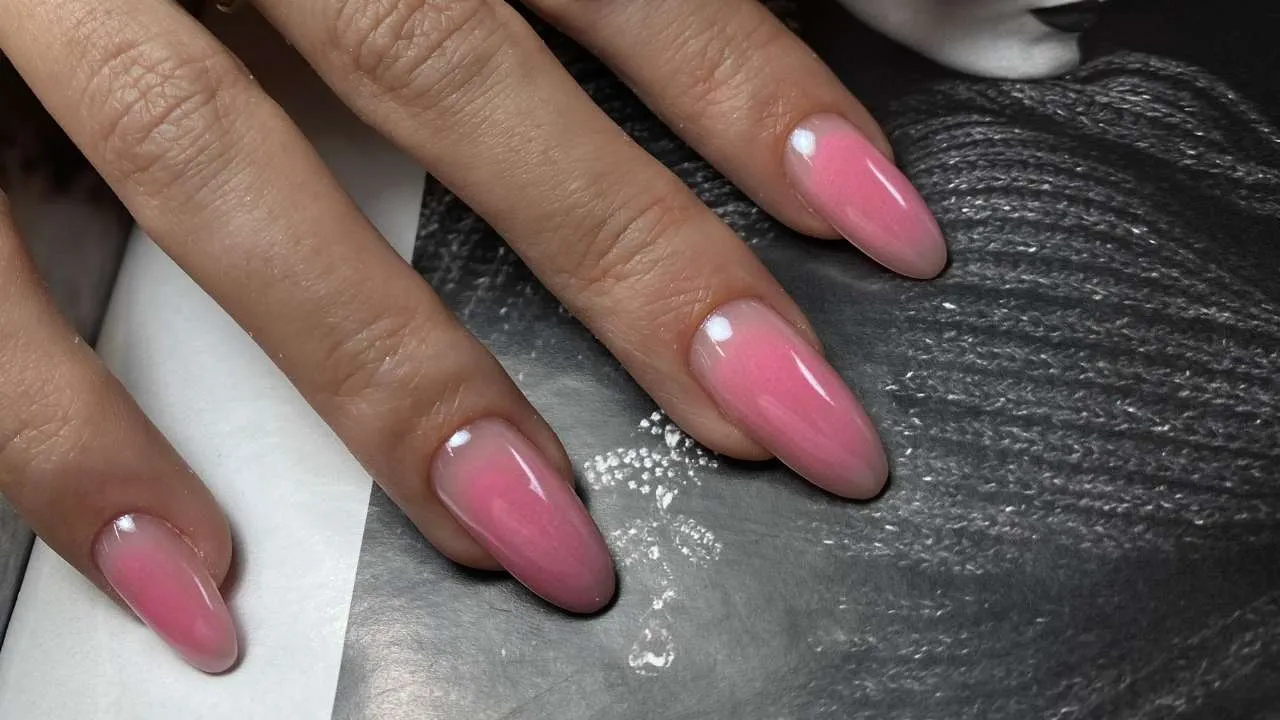
Short answer: The eponychium is the living skin fold at the base of the nail that seals the area. The cuticle, strictly, is the thin layer of dead tissue that sticks to the nail plate. The American Academy of Dermatology recommends leaving cuticles alone because cutting or pushing them can allow germs in.
People say "cuticle" for several different things, and the confusion matters in a manicure. Whether a service is safe depends on which part is being touched.
The parts of the nail fold
| Term | What it is | Living or dead? |
|---|---|---|
| Eponychium | The skin fold at the base of the nail that overlaps the nail plate | Living skin |
| Cuticle (strict sense) | A thin layer of tissue that extends from the eponychium onto the nail plate | Dead tissue |
| Nail folds | The skin along the sides and base of the nail | Living skin |
| Nail plate | The hard, visible nail | Keratin, no living cells in the visible plate |
In everyday salon language, "cuticle" can mean any of these. The term "pterygium" is sometimes used for the thin layer of dead skin on the nail plate.
Why the difference matters
The eponychium is a seal. It helps keep water and germs out of the area where the nail grows. Cutting or tearing living skin can open that seal and raise the chance of irritation or infection. The American Academy of Dermatology advises against cutting or pushing cuticles for this reason.
Some manicure styles, including the dry technique described in what is a Russian manicure, involve work around the nail fold. What is removed and how deeply varies by provider. See is it bad to remove cuticles for the safety discussion.
Simple cuticle care
- Apply cuticle oil daily to keep the skin soft.
- Do not bite, pick or tear at the skin around the nail.
- If your technician offers to cut or deeply work the skin, ask what exactly they plan to remove and decline if you are uncomfortable.
- See a doctor if the skin around a nail is red, swollen, warm or painful.
The parts of the nail unit
| Part | What it is |
|---|---|
| Nail matrix | Tissue under the base of the nail where new nail cells are made |
| Nail plate | The hard visible nail |
| Nail bed | The skin under the nail plate |
| Lunula | The pale half-moon at the base of the nail |
| Proximal nail fold | The skin fold at the base of the nail, ending in the eponychium |
| Hyponychium | The skin under the free edge of the nail |
Why the seal matters
The eponychium and nail folds form a barrier around the base of the nail where new nail grows. When that seal is broken by cutting, tearing or aggressive pushing, germs and moisture can get in, and the skin can become red, sore or swollen. A long-lasting inflammation of the nail fold is a recognized condition, and a doctor should assess it.
Dry cuticles and hangnails
- Apply cuticle oil daily, and use hand cream after washing.
- Do not bite or tear hangnails. Trim a loose one with clean nippers.
- Avoid harsh soaps and long exposure to water without gloves.
When to see a doctor
See a doctor or dermatologist for redness, swelling, warmth, pus or increasing tenderness around a nail, or for changes in the nail itself. Do not try to treat a possible infection with products from a salon.
FAQs
Is the cuticle alive?
The thin layer on the nail plate is dead tissue. The skin fold at the base of the nail, the eponychium, is living skin.
Is it safe to push back cuticles?
The American Academy of Dermatology recommends leaving them alone. Pushing can damage the seal around the nail.
What is pterygium?
It is a term sometimes used for the thin layer of dead skin on the nail plate. In everyday salon talk it is usually called cuticle.
Related guides
More in this topic: Nail Care Basics guides.