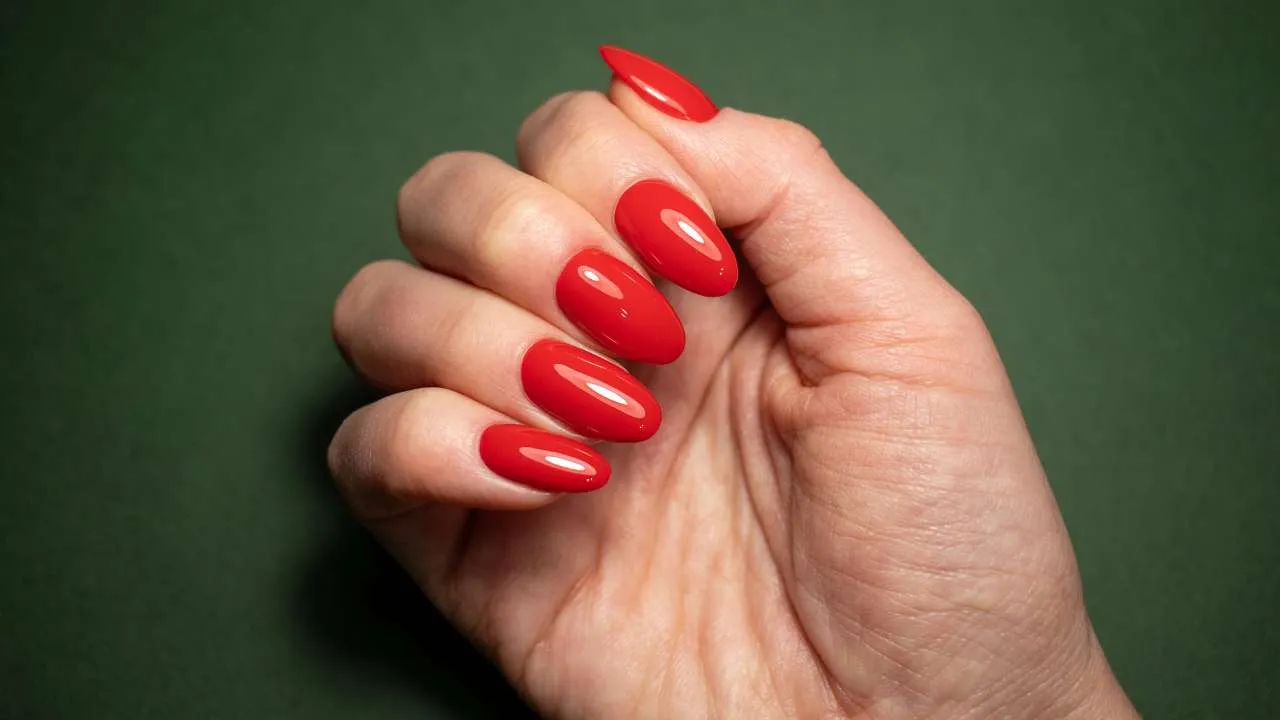
Nail File Grit Chart: Which Grit to Use and When
Grit is the number of abrasive particles on a file: a lower number is coarser and a higher number is finer. Use about 180 to 240 grit on natural nails, 100 to 180 on gel or acrylic…
Read More

Good results start with understanding the basics: which file to use, what the parts of the nail are, how tools should be cleaned, and which shape suits your hands.
These guides cover the fundamentals behind every manicure, from file grit and e-file bits to nail shapes and the signs of a hygienic salon. They are general information, not medical advice.
Grit is the number of abrasive particles on a file: a lower number is coarser and a higher number is finer. Use about 180 to 240 grit on natural nails, 100 to 180 on gel or acrylic…
Read More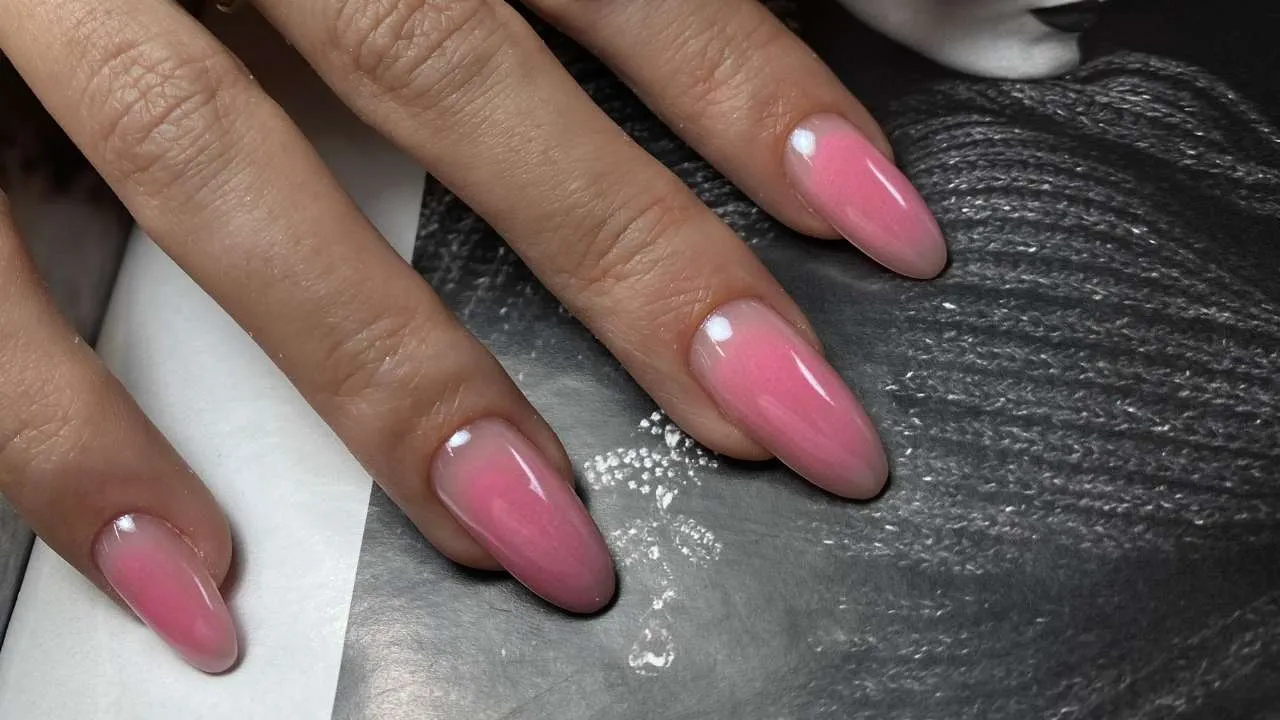
The eponychium is the living skin fold at the base of the nail that seals the area. The cuticle, strictly, is the thin layer of dead tissue that sticks to the nail plate. The American…
Read More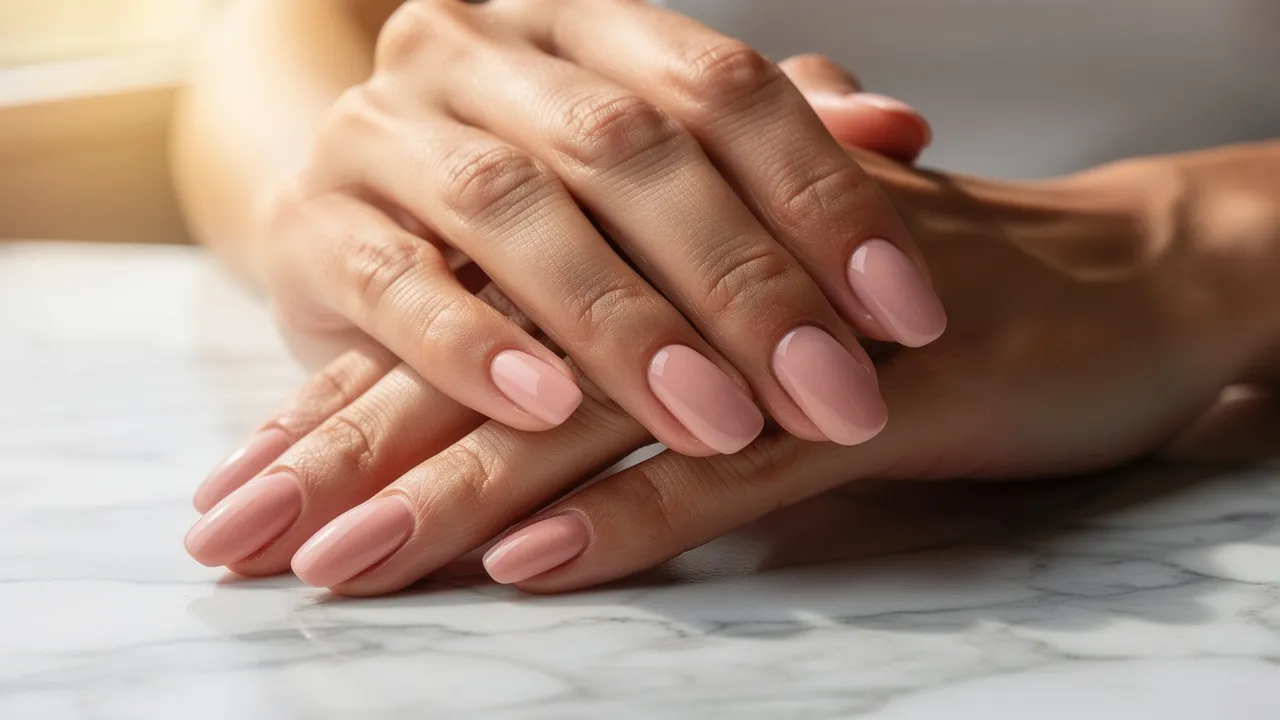
E-file bits are interchangeable heads for an electric nail file. Carbide and diamond bits cut and shape, ceramic bits run cooler, and sanding bands are single-use. The right bit depends on…
Read More
Look for a displayed license, clean workstations, single-use files and buffers, tools that come out of a sealed pouch or are visibly cleaned, and a technician who washes their hands. If…
Read More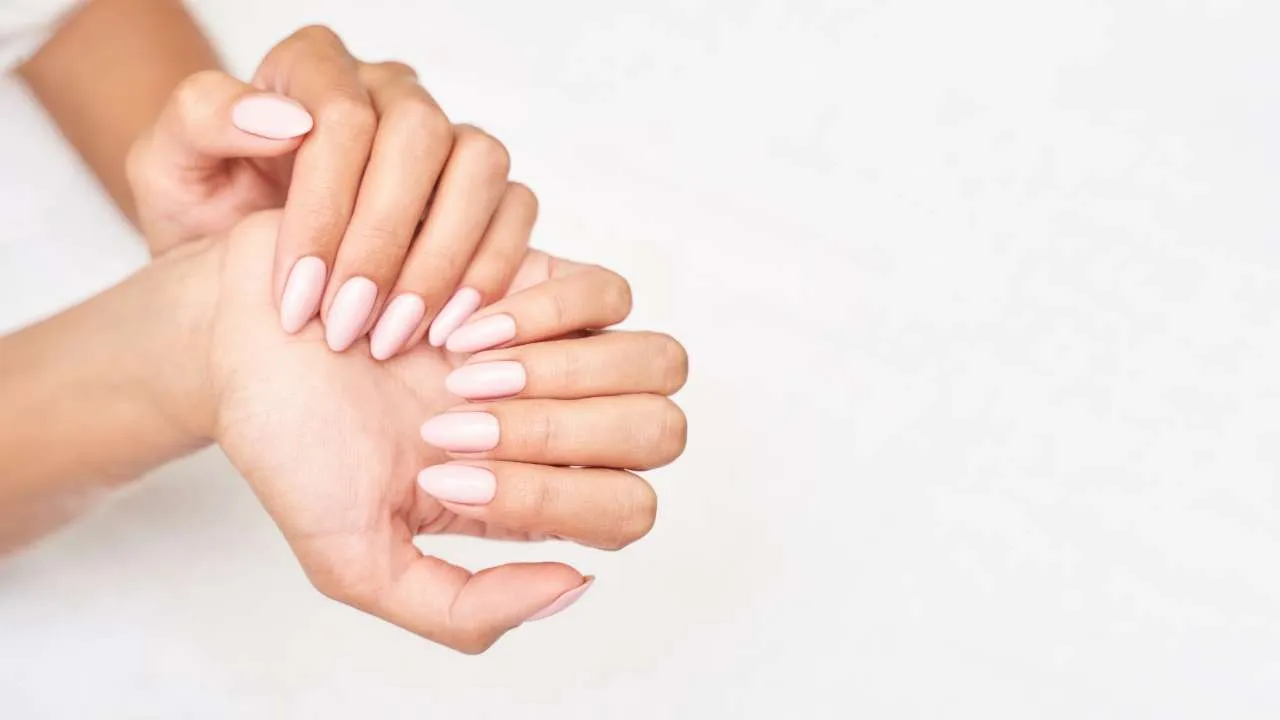
Round and squoval shapes are the most durable, oval and almond look slimmer, and coffin and stiletto are the most dramatic and the most likely to break. The best shape depends on your nail…
Read More