
Have you ever left a salon wondering if the tenderness after your Russian manicure is a sign of a job well done or a warning of damage? Many people love the clean, lasting look of this technique, but post-service discomfort can be confusing. Russian manicure soreness is not a normal outcome; it is typically caused by improper e-file pressure, excessive heat, or accidental removal of the living eponychium tissue. Knowing the difference between a normal sensation and a sign of a problem is vital for keeping your nails healthy.
This article clarifies what causes discomfort after this popular service. We will discuss the technique, the importance of a skilled technician, and the long-term effects of improper application. You will learn how to identify red flags and what a safe, comfortable Russian manicure should feel like.
What is a russian manicure and why might soreness occur?
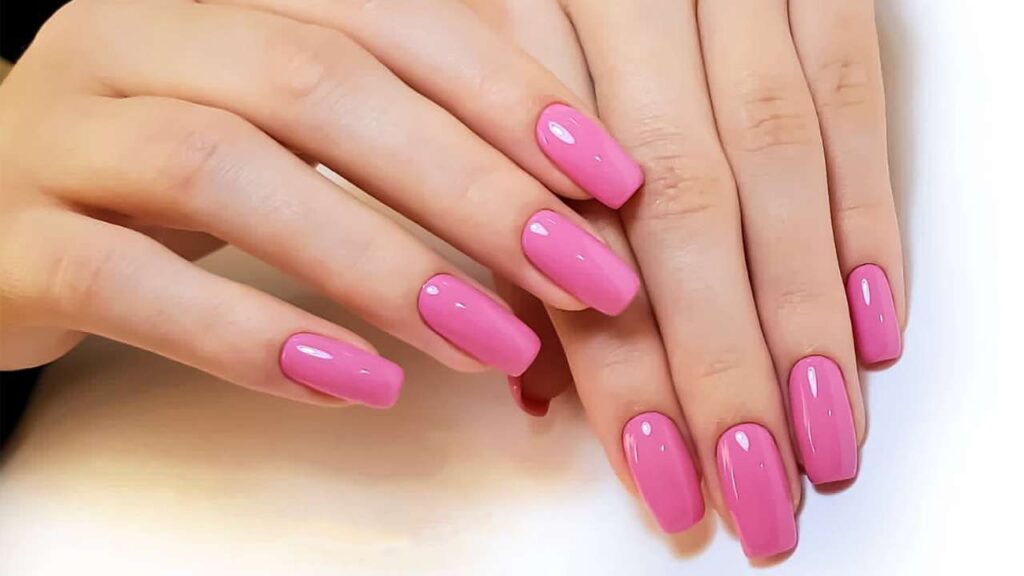
A Russian manicure is an advanced nail service that uses a dry technique and an electronic file (e-file). Unlike traditional manicures that involve soaking, the dry approach helps keep the cuticle visible and firm. This allows the technician to more accurately see and remove only non-living tissue. Using specialized e-file bits, a technician carefully removes non-living tissue, like the pterygium, from the nail plate. This precise e-file cuticle detailing allows for a very close and flawless polish application, creating a look that can last for three to four weeks. The main aim is a perfectly clean nail bed for a lasting, polished appearance.
However, soreness after the manicure is not a standard part of the procedure. It almost always points to an improper technique. Discomfort can happen if the technician applies too much pressure with the e-file, generating excessive heat and friction. More commonly, tenderness occurs when the technician accidentally files the eponychium, which is the living tissue that protects the nail matrix. This living skin should never be removed. Doing so can lead to redness, inflammation, sensitivity, and potentially even paronychia (an infection around the nail) or nail matrix trauma if severe. Protecting the nail matrix is crucial for healthy nail growth.
How does technician skill impact russian manicure comfort and safety?
The comfort and safety of a Russian manicure rely almost completely on the technician’s expertise. A highly trained and certified nail professional understands nail anatomy. They can distinguish between the dead cuticle that needs removal and the living eponychium that must be protected. This skill allows them to use an e-file with the delicate control required to prevent post-manicure nail bed sensitivity or micro-trauma to the surrounding skin. An experienced technician makes the process feel like a gentle buffing, not an aggressive drilling.
It’s a common misunderstanding that the e-file is more dangerous than traditional tools like metal nippers. In reality, both tools can cause harm in untrained hands. While an e-file can cause friction burns or over-filing, traditional nippers can easily cut the living skin, leading to painful nicks, bleeding, and a higher risk of infection. The main factor is not the tool itself, but the operator’s training, precision, and dedication to nail health. Salons adhering to OSHA safety guidelines and state board regulations for tool sterilization and technician licensing typically report a significantly lower incidence of client complications, with some studies showing up to a 75% reduction in infection rates compared to non-compliant establishments. A proper technique is always gentle and respects the biological boundaries of the nail.
Here is a comparison of proper versus improper Russian manicure techniques:
| Feature | Proper Russian Manicure Technique | Improper Russian Manicure Technique |
|---|---|---|
| Cuticle Removal | Gentle removal of dead pterygium only, leaving eponychium intact. | Aggressive removal of living eponychium, causing micro-cuts and raw skin. |
| E-file Pressure/Speed | Controlled, light pressure; appropriate speed for the specific bit. | Excessive pressure; high speeds causing heat and friction burns. |
| Nail Plate Integrity | Preserves natural nail thickness; avoids thinning or damage. | Over-filing the nail plate, leading to thinning, ridges, and sensitivity. |
| Post-Manicure Feeling | Hands feel lighter, comfortable, no tightness or pain. | Lingering soreness, redness, stinging, or throbbing pain. |
| Hygiene | Medical-grade sterilization; dry technique to minimize infection risk. | Poor sterilization practices; compromised barrier increasing infection risk. |
What are the long-term consequences of improper russian manicure techniques?
Repeatedly getting aggressive or improperly performed Russian manicures can lead to important long-term problems that go beyond temporary discomfort. One of the main concerns is chronic nail damage. When the nail plate is consistently over-filed, it becomes thin, weak, and brittle. This structural weakness makes nails more prone to breaking, peeling, and painful lifting at the base, a condition known as onycholysis. It also compromises the natural protective barrier of the skin.
When the living eponychium is regularly removed or damaged, the body’s defense against pathogens is weakened. This significantly increases the risk of developing painful bacterial or fungal infections around the nail bed. According to industry research, the recovery period for such damage can be lengthy, often taking a minimum of six months for the nail to fully grow out, with some reports indicating up to a year for complete nail bed recovery from severe damage. In cases of severe trauma, the healing time can extend for much longer. Implementing good healing protocols including regular application of cuticle oil and antiseptic is vital to prevent further complications. This cycle of damage can also create an emotional burden, causing worry about the appearance and health of one’s hands.
Here are some signs of damage from an improper Russian manicure:
Redness and inflammation around the nail bed
Persistent pain or tenderness that lasts more than a day
Bleeding during or after the service
Thinning or ridging of the nail plate
Increased sensitivity to hot or cold temperatures
Infections, indicated by pus, increased pain, or fever
Ensuring a comfortable and damage-free russian manicure experience
A correctly performed Russian manicure should be a comfortable, pain-free experience that improves the health and appearance of your nails. The approach behind a top-quality service is that beauty should never come at the cost of your well-being. A true expert prioritizes the integrity of your nail plate and the surrounding living tissue, making certain that only non-living skin is gently exfoliated. This focus on nail health prevents the common side effects of improper techniques, such as post-service discomfort and sensitivity.
To find a safe service, look for salons that emphasize technician certification and continuous training in advanced e-file techniques. Ask about their sterilization processes; medical-grade sterilization, like using an autoclave, is the gold standard for preventing infections. A reputable salon like Xpert Russian Manicure Salon will always offer a consultation to assess your nail condition and skin sensitivity. During this initial discussion, a skilled technician will examine your nails, discuss your nail history, and explain the steps of the procedure. This personalized approach makes certain the service is matched to your specific needs for a comfortable and beautiful result.
When choosing a salon, consider these points:
Certification and training: Ask to see certificates for advanced e-file training.
Hygiene practices: Inquire about their sterilization methods; autoclaves are key.
Consultation process: A good salon offers a detailed consultation before starting.
FAQ’s about Russian manicure risks
Is some soreness normal after a Russian manicure?
No, a correctly performed Russian manicure should not cause any long-lasting soreness. Mild sensitivity might occur immediately after the service for some individuals, but any persistent pain, throbbing, redness, or inflammation indicates an improper technique or potential damage to the living tissue.
How can I tell if my post-manicure discomfort is serious?
If you experience persistent pain lasting more than 24 hours, significant redness, swelling, pus, heat around the nail, or if you notice any bleeding or signs of infection like paronychia, it’s advisable to consult a medical professional or a dermatologist. These are signs of potential damage or infection that require attention.
What should I do if my nails are sore after a Russian manicure?
First, apply a high-quality cuticle oil to moisturize the area and gently massage it in. If soreness persists, avoid picking at your nails and consider using a mild antiseptic to prevent infection. If symptoms worsen or don’t improve after a day, contact your salon or a healthcare provider. Always prioritize the health of your nail plate and eponychium.
How often can I get a Russian manicure?
Given its precision and lasting results, a Russian manicure is typically recommended every 3-4 weeks. This allows for healthy nail growth and minimizes the need for aggressive cuticle work, maintaining the integrity of your nail plate and surrounding skin.