

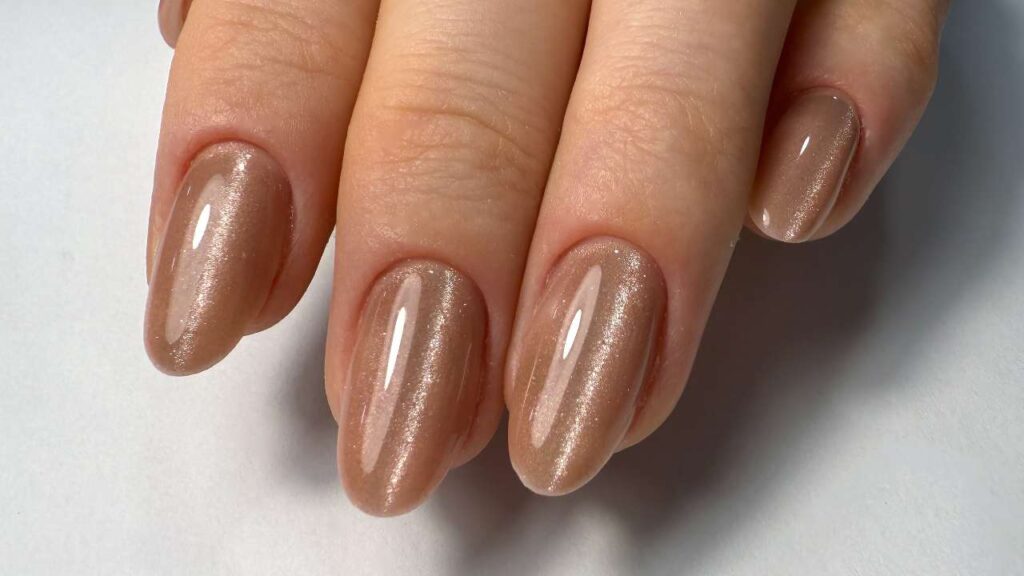
Have you ever walked out of a nail salon feeling confident about your fresh builder gel manicure, only to notice it lifting at the edges just days later? Why does something designed to last three to four weeks sometimes fail as quickly as regular polish? The frustration is real, especially when you’ve invested time and money expecting durability and strength.
Builder gel promises the structural integrity of acrylics with the natural, glossy finish that professional women need for client meetings and networking events. Yet peeling remains one of the most common complaints. The culprit isn’t the product itself but rather a combination of preparation shortcuts, application errors, and curing inconsistencies that compromise the bond between gel and nail.
Understanding why builder gel peels requires looking beneath the surface, literally. The microscopic interaction between your natural nail plate and the gel depends on a clean, properly textured foundation. When moisture, oils, or dead skin cells create barriers, the gel has nothing to grip. Similarly, application mistakes like flooding the cuticle area or failing to seal the free edge invite water infiltration and premature failure.
In this article, you’ll discover the science behind builder gel adhesion, the specific mistakes that cause peeling, and actionable prevention strategies. Whether you’re a DIY enthusiast or someone seeking better results from salon visits, you’ll gain the knowledge to achieve manicures that truly last. We’ll also explore when professional intervention becomes necessary and how advanced techniques can eliminate persistent peeling issues for good.
What makes builder gel different from regular gel polish?
Builder gel and regular gel polish serve fundamentally different purposes in nail enhancement. Builder gel is a thick, viscous product engineered to add structural strength, create length, and reinforce weak nails. Its consistency resembles honey, allowing technicians to sculpt and shape extensions or overlays. Regular gel polish, by contrast, is a thin, fluid coating designed solely to provide color and shine without altering the nail’s structure.
The thickness of builder gel requires more meticulous preparation because it bonds directly to the natural nail plate through both mechanical and chemical adhesion. The product needs microscopic grooves on the nail surface to “grab onto,” which is why proper buffing and dehydration are non-negotiable. Regular gel polish, being thinner, can sometimes mask minor preparation flaws, though it won’t last as long.
Builder gel is semi-permanent and designed for three to four weeks of wear, often longer with proper maintenance. Regular gel polish typically lasts two to three weeks before showing signs of wear. The removal process also differs significantly: builder gel requires filing or extended soaking, while regular gel polish soaks off relatively easily with acetone wraps.
| Feature | Builder Gel | Regular Gel Polish |
|---|---|---|
| Thickness | Thick, viscous | Thin, fluid |
| Purpose | Structural strength, extensions | Color and shine only |
| Wear time | 3-4 weeks | 2-3 weeks |
| Preparation required | Extensive (dehydration, buffing) | Moderate (light buffing) |
| Removal | Requires filing or soaking | Soaks off easily |
The structural nature of builder gel means it moves differently with your natural nail. When applied correctly with proper apex placement (the highest point of the enhancement), it distributes stress evenly across the nail plate. Regular gel polish simply follows the natural nail’s contour without adding reinforcement. This architectural difference explains why builder gel application demands precision, any weak points in the structure will lead to cracking or peeling.
Why is my builder gel peeling off?
Builder gel peeling stems from three primary categories of failure: inadequate nail preparation, application mistakes, and curing problems. Each category represents a breakdown in the bonding process between the gel and your natural nail plate.
Inadequate nail preparation
Approximately 90% of builder gel longevity depends on proper nail plate preparation. Your natural nail produces oils and moisture constantly, creating an invisible barrier that prevents gel adhesion. If these substances aren’t completely removed before application, the gel essentially floats on top of the nail rather than bonding to it.
The pterygium, a thin layer of skin that grows onto the nail plate from the cuticle area, is particularly problematic. Even microscopic amounts of this tissue prevent the gel from making direct contact with the nail. Traditional water-soak manicures actually worsen this issue by causing the nail plate to swell with absorbed moisture. When the nail dries and returns to its normal size, the gel no longer fits properly and begins to lift.
Surface debris and dust from filing create another barrier. After buffing the nail to create texture, any remaining dust particles sit between the gel and the nail plate. Professional-grade dehydrators and pH balancers are essential for neutralizing oils and removing moisture. Some individuals naturally produce more oils than others, making these prep products even more critical for lasting adhesion.
The nail surface itself needs gentle etching to create microscopic anchor points. Using the wrong grit file, either too coarse, which damages the nail, or too fine, which leaves the surface too smooth, prevents proper mechanical bonding. The goal is to remove the natural shine without thinning the nail plate, creating a slightly matte surface that the gel can grip.
Application mistakes
Even with perfectly prepared nails, application technique determines whether your manicure lasts days or weeks. “Flooding” the cuticle area, where gel touches the skin, creates a bridge that breaks as the natural nail grows or the skin moves. This opening allows moisture and oils to seep underneath, causing the entire enhancement to lift.
Failing to seal or “cap” the free edge is equally problematic. The tip of your nail experiences constant friction from typing, opening packages, and daily activities. Without a protective seal of gel along the very edge, water infiltrates from the tip backward, causing the gel to peel away in sheets.
Incorrect product architecture refers to improper apex placement and uneven layer thickness. The apex should be positioned slightly behind the center of the nail, creating a gentle dome that distributes stress. If the gel is too thin at the edges or too thick in the middle, the nail flexes in ways that cause the rigid gel to crack or separate. Applying gel in one thick layer also prevents UV or LED light from penetrating to the bottom, leaving uncured product that never fully hardens.
Mixing incompatible products from different brands can cause chemical reactions that weaken the bond. Each gel system is formulated to work together, the base coat, builder gel, and top coat contain complementary polymers. Using a primer from one brand with builder gel from another may result in adhesion failure because the chemical structures don’t align properly.
Curing problems
Under-curing represents one of the most dangerous causes of peeling. Incomplete polymerization, the chemical process that hardens gel, leaves the product soft underneath even when the surface appears dry. This happens when UV or LED lamps are old, have failing bulbs, or lack sufficient wattage. Professional standards recommend at least 36W for UV lamps and 54W for LED lamps.
Improper finger positioning during curing, especially for thumbs, leads to uneven hardening. The thumbs are often angled away from the light source, receiving less exposure. Each finger must be positioned directly under the bulbs for the full curing time. Rushing this step by curing multiple fingers at angles compromises the entire manicure.
Each layer of builder gel must be fully cured before applying the next. Stacking uncured layers creates a weak foundation that collapses under normal wear. Conversely, over-curing can make the gel brittle and prone to cracking. Following the manufacturer’s specific curing time for each product ensures optimal hardness without brittleness.
How to prevent builder gel from peeling
Prevention starts with insisting on thorough nail preparation, whether you’re doing your own nails or visiting a salon. The nail plate must be completely dehydrated using professional-grade prep solutions. A nail dehydrator removes surface moisture, while a pH balancer neutralizes oils. Some technicians recommend a “double-dehydrating” step for clients with naturally oily nail beds, applying the dehydrator, allowing it to evaporate, and applying it again before moving to the primer.
Gentle buffing with an appropriate grit file (180-220) creates the necessary texture without damaging the nail plate. The goal is to remove the natural shine across the entire nail surface, including the corners and the area near the cuticle. After buffing, thoroughly brush away all dust particles before applying any product.
Key prevention techniques include:
Keeping gel away from skin and cuticles during application to prevent flooding
Leaving a tiny gap (about the thickness of a credit card) between gel and the proximal nail fold
Capping the free edge by running the brush along the very tip after each layer
Using the flash-cure technique, curing each finger individually for 5 to 10 seconds before the full 60-second cure
Verifying your lamp’s wattage and bulb condition for proper curing power
Using products from the same brand system ensures chemical compatibility. Each manufacturer formulates their base coats, builder gels, and top coats to work together. Mixing brands may save money initially but often results in premature failure. Allowing each layer to cure fully before applying the next prevents the stacking of uncured product.
Professional removal rather than picking or peeling protects the natural nail plate from damage that makes future applications even more prone to peeling. Regular maintenance appointments every two to three weeks prevent the apex from shifting too far forward as the nail grows.
Daily aftercare practices:
Apply cuticle oil to maintain flexibility in both the surrounding skin and natural nail
Wear gloves during cleaning and avoid harsh chemicals
Give nails occasional breaks from enhancements, typically one week every three to four months
Allow the natural nail plate to recover and remain strong enough to support future applications
Professional solutions for persistent peeling issues
When builder gel continues to peel despite following best practices, professional assessment becomes necessary. Persistent peeling often indicates underlying issues that require expert diagnosis and correction. Advanced preparation techniques can eliminate problems that standard methods miss.
The Russian dry manicure method represents a superior approach to nail preparation. Unlike traditional water-soak manicures that introduce moisture into the nail plate, this technique uses specialized e-file tools to meticulously clear the nail surface while it remains completely dry. Certified technicians use various diamond and ceramic bits to remove all pterygium and dead cuticle tissue without causing trauma to the surrounding skin.
Professional technicians understand how to customize preparation based on individual nail characteristics. Some clients have naturally thin nails that require gentler buffing, while others have thick, hard nail plates that need more aggressive texturing. Expert application ensures proper apex placement, the structural high point that distributes stress evenly across the enhancement. Bubble-free results come from controlled application pressure and strategic curing techniques that prevent gel from shifting during polymerization.
Professional-grade products and equipment produce superior adhesion compared to consumer-level alternatives. Commercial UV and LED lamps maintain consistent wattage and bulb quality, ensuring complete curing every time. High-quality gel systems contain sophisticated polymers that create stronger, more flexible bonds with the natural nail.
At Xpert Russian Manicure Salon, complete nail plate dehydration, precision application, and medical-grade sanitation standards prevent contamination that can interfere with bonding. Our approach combines meticulous Russian dry manicure preparation with strategic gel placement and optimal curing protocols. This comprehensive system addresses every potential cause of peeling, delivering hard gel extensions that regularly last three to five weeks and Gel X services that provide three to four weeks of flawless wear.
Experience lasting results with expert nail care
If you’re tired of builder gel that peels within days, professional expertise makes all the difference. At Xpert Russian Manicure Salon, our certified technicians master the precise preparation and application techniques that eliminate common causes of lifting and peeling. Our signature Russian dry manicure completely dehydrates the nail plate and removes all barriers to adhesion, while our strategic gel placement and bubble-free application create manicures that truly last. Whether you need hard gel extensions or protective Gel X services, our advanced training and professional-grade products deliver the durability and polished appearance that professional women require. Schedule your appointment to experience the difference that precision and expertise make in achieving long-lasting, flawless nails.
FAQs about builder gel peeling off
Can I fix builder gel that’s already lifting?
Avoid picking or peeling at lifted gel, as this pulls up layers of your natural nail plate and causes lasting damage. Instead, carefully file down the lifted edge with a fine-grit file to smooth the area. Apply a thin layer of top coat over the filed edge as a temporary seal until you can schedule a professional repair appointment. This prevents further water infiltration and protects the exposed nail underneath.
How long should builder gel last without peeling?
Properly applied builder gel should last three to four weeks without lifting or peeling. Individual factors like nail growth rate, lifestyle activities, and natural nail health affect longevity. If your builder gel peels within the first week, this indicates preparation or application issues that need to be addressed. Some clients with excellent nail health and proper aftercare achieve five weeks of wear before needing a fill.
Is builder gel peeling a sign of nail damage?
Peeling itself doesn’t damage your nails, but the underlying causes often do. Over-buffing during preparation, improper removal techniques, or picking at lifted gel can thin and weaken the natural nail plate. Healthy nails can support builder gel when properly prepared and applied. Very thin, damaged, or peeling natural nails may need a recovery period with strengthening treatments before builder gel application. Consult a professional if your natural nails show signs of damage.
Do I need a primer to prevent builder gel from peeling?
Acid-free primers enhance adhesion by creating a chemical bond between the natural nail and the gel. They’re especially helpful for clients with naturally oily nail beds that resist standard preparation methods. However, primer doesn’t replace proper dehydration, buffing, and cleansing steps. Some modern gel systems incorporate primer properties directly into the base coat, eliminating the need for a separate product. Always follow your specific gel system’s instructions, as some manufacturers design their products to work without traditional primers while others require them for optimal results.