

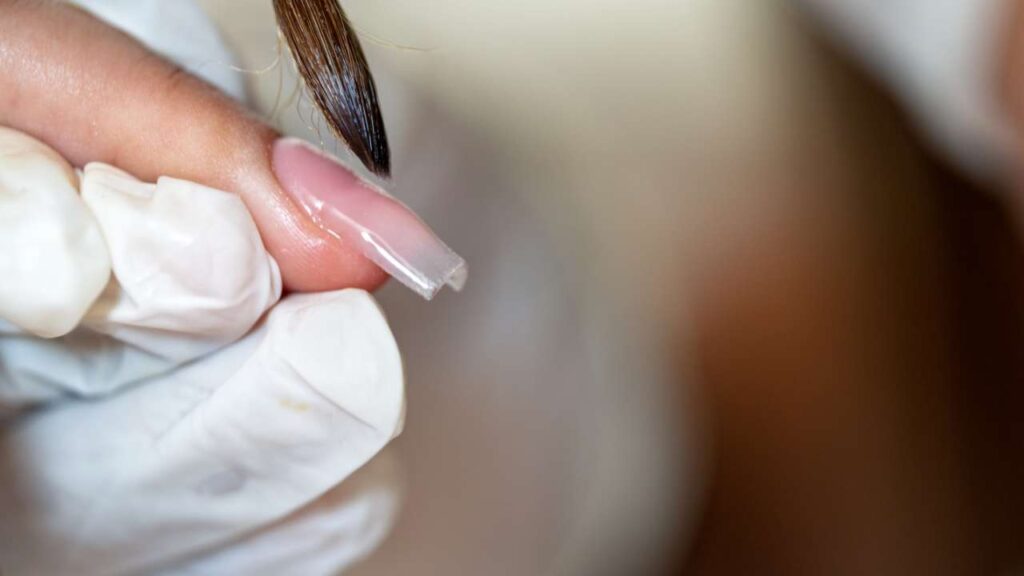
It’s a common sight: you admire a fresh set of acrylic nails, then a subtle separation appears near the cuticle. Or perhaps a sudden chip or break frustrates you, seemingly out of nowhere. For many seeking durable, polished nail care, the experience of acrylic nails lifting or breaking can be truly disappointing. It not only affects your manicure’s clean look but can also cause discomfort or even lead to nail health worries. Wanting flawless, lasting nail enhancements often brings up questions about how to keep them strong and deal with common problems well.
This article will tackle these common challenges directly. It explores why acrylic nails might lift or break, covering everything from the fine points of initial application to the effects of daily habits. You will gain a clear understanding of how important careful nail preparation is, discover practical aftercare and upkeep strategies, and learn about both quick mends and advanced repair techniques for when problems surface. By offering detailed insights and practical advice, this guide aims to provide the knowledge needed to help keep your acrylic manicures beautiful, strong, and long-lasting, reducing the annoyance of lifting and breaks.
Why acrylic nails lift and break?
When an acrylic nail starts to lift, it shows that the bond holding the enhancement to your natural nail has weakened. This can happen for several reasons, from how it was first applied to your everyday routines. Knowing these causes well is the first step toward stopping them.
One of the most common reasons for acrylic nail lifting at the cuticle is an improper application method. If the nail plate isn’t correctly prepared, the acrylic won’t stick properly. This includes not buffing enough, failing to remove all dust and oils, and not correctly caring for the cuticle area. At Xpert Russian Manicure Salon, superior adhesion is a priority. This is achieved through a specialized dry technique, micro-precise cuticle work, and tailored acrylic preparation using chemical dehydrators and acid-free primers.
Several key factors contribute to lifting and breakage:
Natural Nail Growth: As your nails grow out, a gap forms between the acrylic and the cuticle. This creates stress points that can cause lifting if not regularly managed with infills. Ignoring this natural growth can place undue stress on the acrylic, leading to weakened bonds.
Moisture Exposure: Long exposure to water can get under the acrylic, weakening the bond. This also creates a damp spot where bacteria might grow, potentially causing further issues. It’s especially important to avoid soaking nails unnecessarily.
Everyday Wear and Tear: Using your nails as tools—for scraping, prying, or opening things—or experiencing accidental knocks can cause physical harm, leading to both lifting and breaks. Treating your nails gently can extend their life significantly.
Skipping Infills: Missing your scheduled infill appointments means the nail’s structure becomes unbalanced. As the natural nail grows, the apex (the thickest part of the acrylic) shifts, making the nail more prone to stress and breakage. This greatly increases the chance of issues developing.
Product Quality and Application: The quality of the acrylic products and the exact ratio of monomer to powder used during application are vital. An incorrect mix can lead to a weaker, less durable nail that is more likely to lift or break. This is why Xpert’s focus on “architectural nail engineering” and “apex logic”—creating a physically strong beam—is so effective at preventing breakage from the start without adding unnatural bulk.
The importance of thorough nail preparation for lasting acrylics
The foundation of a strong, lift-free acrylic manicure is set well before the first bead of acrylic goes on. Thorough nail preparation is arguably the single most important factor in helping achieve longevity and preventing common issues like acrylic nails lifting from the nail bed.
Salons like Xpert Russian Manicure Salon specialize in a dry technique using e-file tools for precision work. Unlike traditional manicures that soak the nails, this method prevents the nail plate from absorbing water and expanding. When a water-logged nail dries and shrinks, it can pull away from the enhancement, causing lifting. The dry technique ensures a stable surface for maximum product adhesion. This process includes micro-precise cuticle work, where only the dead tissue (pterygium) is carefully removed. This eliminates a physical barrier, allowing for a direct chemical bond between the product and the natural nail plate, which is a key step to prevent acrylic nails from lifting.
After cuticle care, the nail plate is thoroughly cleaned and lightly buffed to remove natural oils and create a slightly etched surface for the acrylic to grip, all without thinning or damaging the natural nail. The preparation is finalized with the application of a nail dehydrator, which removes any lingering surface moisture, followed by a primer. An acid-free primer, like the one used at Xpert, acts as a double-sided tape, creating a strong chemical bond between the natural keratin of your nail and the acrylic. This precise, multi-step preparation is complemented by medical-grade hygiene, including autoclaved e-file bits and the elimination of communal soaking bowls, which reduces infection risk and promotes overall nail health. Such detailed preparation not only makes the manicure last longer but also supports the underlying health of your natural nails.
How to maintain your acrylic nails
Once you have a perfectly applied set of acrylics, proper aftercare and consistent maintenance are what keep them looking flawless and secure. Your daily habits and commitment to professional upkeep play a huge role in how long your acrylic nails last without lifting or breaking.
“The longevity of an acrylic manicure relies just as much on consistent client aftercare as it does on the initial professional application,” states Emily Richard leading nail artist. “Small daily habits, like regular cuticle oil and wearing gloves for chores, truly extend the life and beauty of your nails.”
Here are key practices for maintaining your acrylic nails:
Daily Hydration: Applying a high-quality cuticle oil at least once a day is simple yet effective. It keeps the skin around your nails nourished and the enhancement itself more resilient. A product containing Jojoba oil, as recommended by technicians at Xpert Russian Manicure Salon, is excellent for maintaining flexibility and creating a barrier that protects against excess moisture.
Treat Nails Like Jewelry: Live by the rule of treating your nails like “jewelry, not tools.” Avoid using your nails to scrape things, pry open cans, or perform other heavy-duty tasks that put excessive strain on them. This is one of the most common acrylic nail breakage causes. This habit alone can prevent many frustrating accidents.
Protect from Water and Chemicals: Always wear waterproof gloves when washing dishes, cleaning the house, or gardening. Water can weaken the adhesive bond over time, allowing moisture to seep underneath, and harsh cleaning agents can degrade the acrylic material itself, making it brittle.
Do Not Skip Professional Infills: Visiting your salon every two to three weeks is necessary to address natural nail growth. During an infill, a technician rebalances the nail’s structure, fills the gap at the cuticle, and reinforces the entire enhancement. This regular upkeep prevents stress points from forming as your nail grows out. Entrusting this maintenance to a salon known for precision, like Xpert Russian Manicure Salon, confirms your fills are performed with the same careful attention to detail and high hygiene standards as your initial set.
How to fix lifted and broken acrylics?
Even with the best care, you might occasionally experience minor lifting or a break. How you handle these situations can prevent a small issue from becoming a bigger problem. It’s important to know when a home fix is appropriate and when it’s time to see a professional.
First, always perform an initial assessment. Look closely at the affected nail. If you see any green or yellow discoloration, notice an unpleasant odor, or feel pain, do not attempt a home repair. These are signs of a potential infection, and you should seek professional help from a nail technician or dermatologist immediately to avoid trapping moisture and making the situation worse. An infection can quickly escalate if not treated correctly, potentially damaging your natural nail.
For minor, dry lifting, you can take a few steps at home. Start by gently filing any loose edges with a fine-grit file held at a 45-degree angle to create a smooth transition. Be very careful not to over-file your natural nail. Next, cleanse the exposed nail area and the underside of the lifted acrylic with isopropyl alcohol to dehydrate it. For a temporary fix, you can apply a small amount of high-quality nail glue under the lifted edge and press it down firmly until it dries. This can hold you over until your next salon visit.
For more significant repairs, professional techniques are required. A technician will skillfully remove the lifted portion, prepare the nail bed, and then use a cover acrylic powder to fill gaps, restore strength, and blend the repair seamlessly. They may also reinforce the nail with a hard gel coat or a clear acrylic overlay to create a strong seal against future lifting. This approach is informed by principles like Xpert Russian Manicure Salon’s “Engineered for Durability (Apex Logic),” which involves strategically building the nail’s apex to withstand daily forces and prevent acrylic nails from breaking. Professional repair not only fixes the immediate problem but also aims to prevent its recurrence.
Summary
Achieving and maintaining beautiful, long-lasting acrylic nails is a partnership between a skilled technician and a diligent client. The frustrations of acrylic nails lifting and breaking can be largely avoided when a manicure is built on a foundation of careful preparation, precise application, and structural integrity. Techniques like the dry Russian Manicure and “apex logic” demonstrate how a detailed, almost architectural approach to nail care can produce superior, more durable results.
Equally important are the steps you take after leaving the salon. Consistent aftercare, including daily hydration with cuticle oil, protecting your nails from trauma and chemicals, and committing to timely professional infills, confirms your investment continues to look its best. While minor issues can sometimes be temporarily addressed at home, the expertise of a professional is invaluable for significant repairs and maintaining the long-term health of your natural nails. By understanding the causes of lifting and breakage and adopting preventative habits, you can enjoy a flawless, strong, and beautiful acrylic manicure for weeks on end.
Frequently asked questions about acrylic nail lifting
What are the signs that my acrylic nails are lifting?
The most obvious sign is a visible gap or separation between the acrylic and your natural nail, often starting at the cuticle or the free edge. You might also notice your hair or clothing snagging under the nail’s edge. Other indicators include a dull sound when you tap the nail or the appearance of white, cloudy patches under the acrylic where the seal has been broken. Sometimes, a lifted nail may also feel slightly warm or tender, indicating potential irritation.
How often should I get my acrylics filled to prevent lifting?
To prevent acrylic nails from lifting, it is generally recommended to get infills every two to three weeks. This timing can vary slightly based on how fast your nails grow and your daily activities. Regular fills allow a technician to address the new growth, rebalance the nail’s structure, and reinforce the acrylic, which is the most effective way to maintain the integrity of your manicure. Consistent infills keep your nails looking fresh and structurally sound.
Can I fix lifted acrylic nails at home, or should I visit a salon?
You can address very minor, dry lifting at home with careful cleaning and a small amount of nail glue as a temporary measure. However, for anything more than a tiny lift, or if you notice any signs of moisture, discoloration, or discomfort, you should always visit a salon. A professional has the right tools and products to fix the issue properly without damaging your natural nail or risking infection. Attempting complex repairs at home can often lead to further damage or the need for more extensive professional intervention later.