

How to do Russian Pedicure at Home Safely?
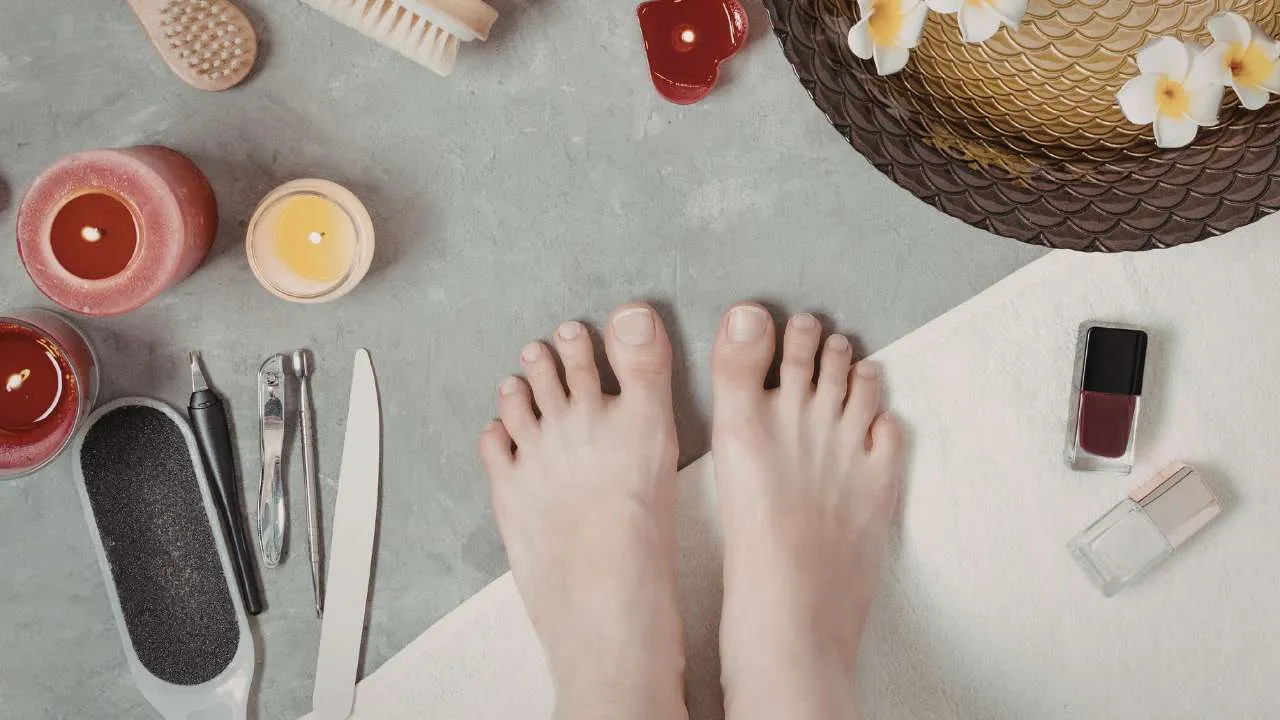
A Russian pedicure is commonly described as a dry pedicure that may use an electric file near the toenails and surrounding skin. Detailed cuticle or callus work with an e-file can injure skin when done incorrectly, so this guide focuses on lower-risk foot care and how to evaluate a salon rather than giving at-home e-file instructions.
Safer nail care you can do at home
For routine toenail care, use a clean nail clipper and trim straight across, then gently smooth sharp edges. Leave the cuticles intact. Keep feet clean and dry, and use moisturizer on dry skin. The American Academy of Dermatology’s nail-trimming guidance recommends leaving cuticles alone because cutting them can make it easier for germs to enter.
Avoid trying to cut or grind calluses. If you have diabetes, reduced feeling or circulation in your feet, or trouble healing, ask a healthcare professional about foot care before using tools or booking a pedicure. The CDC’s diabetes foot-care guidance recommends not removing calluses yourself and contacting a foot-care professional for concerns.
Why this article does not give e-file steps
An e-file is a powered tool used close to the nail plate and skin. Bit choice, pressure, angle, and skin condition all affect the service, and written instructions cannot assess those factors. Do not use a drill to remove cuticle or living skin at home. Stop if a tool causes heat, sharp pain, bleeding, or irritation.
A dry service avoids a shared foot soak, but it does not remove infection or injury risk. The “Russian pedicure” name is not a safety certification, and a professional service is not risk-free. For a broader comparison, see professional vs. DIY Russian pedicure and the Russian pedicure safety guide.
When to postpone a pedicure
Postpone cosmetic work on skin that is broken, irritated, or showing a possible infection. If you notice new redness, swelling, pain, drainage, a sore, or a change in nail color or shape, ask a healthcare professional for advice instead of trying to file or cover the area.
People with diabetes or reduced sensation may not notice a small injury. The CDC advises checking feet for changes and asking a foot-care professional about calluses or nail concerns. Do not rely on pain alone to decide whether a foot is healthy.
Questions to ask before booking
What does the service include, and will any skin be cut or filed?
What training and license does the technician have for this service under local rules?
How are reusable tools cleaned and processed between clients, and which items are single-use?
Can the technician stop or adjust the service if you feel discomfort?
Licensing and sanitation requirements vary by location. Check current guidance from the relevant state or local authority. For salon appointment details, contact Xpert Russian Manicure Salon.
Can I do a Russian pedicure at home?
Detailed e-file work around toenails and skin is difficult to assess safely without hands-on training. This guide does not recommend at-home e-file cuticle or callus removal. For ordinary grooming, use basic nail-trimming advice from a trusted health source and ask a clinician about foot-health concerns.