

BIAB vs Builder Gel: Are They the Same Thing?
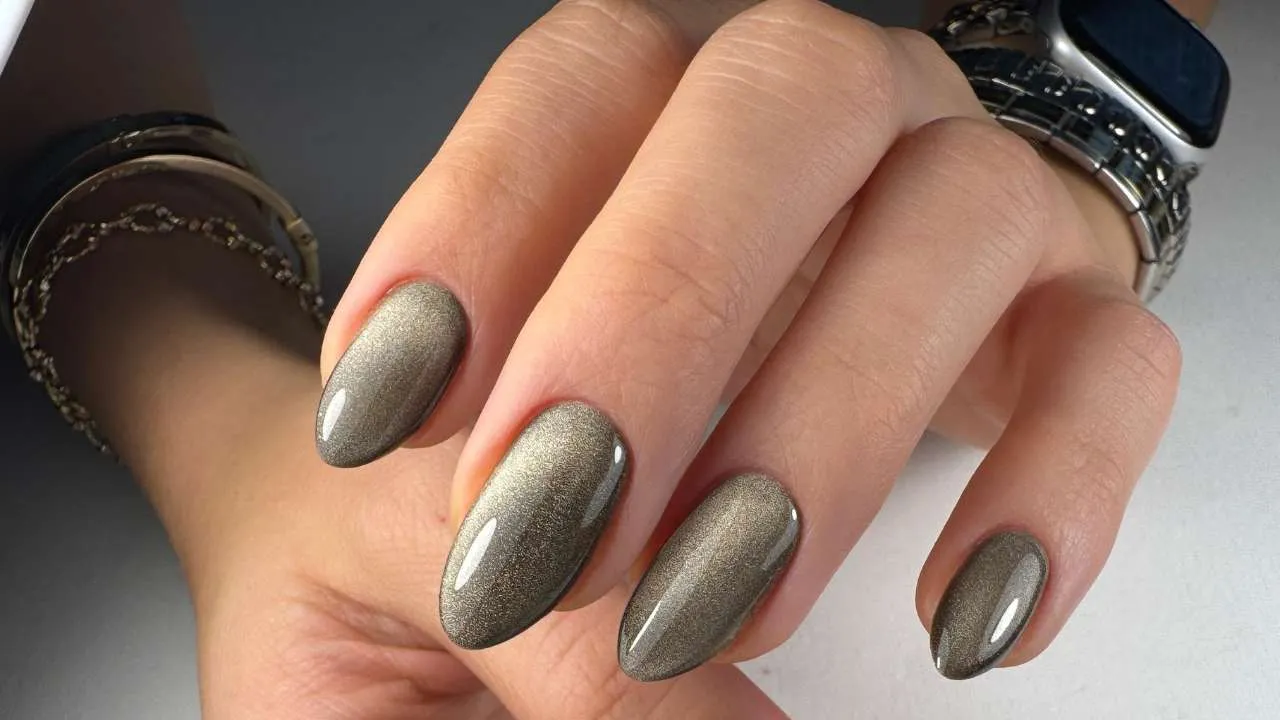
Short answer: BIAB stands for "builder in a bottle", a brush-on builder gel in a bottle, often used as an overlay on natural nails. Builder gel is the wider product type. So BIAB is one kind of builder gel, not a different material.
If you have seen "BIAB" on a salon menu and "builder gel" elsewhere, you are probably looking at the same type of product with two names. The term BIAB is often traced to one brand, but many salons now use it for any builder gel sold in a bottle with a brush.
What BIAB and builder gel have in common
- Both are thick, self-leveling gels cured under a UV or LED lamp.
- Both can add strength and structure to natural nails as an overlay, and some can build short extensions with forms or tips.
- Both are shaped and finished with a file, then usually sealed with a top coat or color.
Where they differ
| BIAB (bottle) | Builder gel (general) | |
|---|---|---|
| Container | Bottle with a brush | Bottle, pot or jar |
| Typical use | Natural nail overlay | Overlays, extensions and structure |
| Consistency | Thick but pourable | Ranges from pourable to very firm |
| Removal | Often soak-off, check the product | Soak-off or file-off, depending on the formula |
Because formulas vary, the name on the menu does not tell you how a product is removed. Ask which product was used and follow its instructions. If you are not sure, read how to remove builder gel before trying anything at home.
Who it suits
- People who want a protective overlay and want to keep their natural nail length.
- Anyone whose gel polish lifts or chips quickly and who wants a thicker base. A builder gel overlay does not treat nail conditions, so see a doctor for splitting or painful nails.
- Clients who prefer a lighter feel than acrylic. For a full comparison see acrylic vs Gel-X vs builder gel.
Between appointments, a technician can rebalance the set instead of removing everything. This is explained in infill builder gel without removing it.
How BIAB is applied, in outline
- The nail is cleaned, shaped and lightly prepared, and the cuticle area is kept clean.
- A base or primer is applied and cured.
- BIAB is brushed on, placed with slightly more product at the stress area, and left a moment to level.
- It is cured, shaped with a file, and finished with color or top coat.
Wear time and fills
Many people book a fill or rebalance every three to four weeks, depending on how fast their nails grow and how hard they are on their hands. Wear time is not fixed, so use grow-out and lifting rather than the calendar to decide.
Removal and aftercare
Many BIAB-style products are designed to soak off, but formulas differ, so follow the product instructions or ask your technician. Cuticle oil, gloves for chores and avoiding picking help the set last. Persistent soreness, lifting with moisture trapped underneath, or a green patch beneath the nail needs a doctor.
BIAB vs gel polish and acrylic
BIAB adds structure, where gel polish mainly adds color. Compared with acrylic it is lighter and lamp-cured, and acrylic is generally firmer. For the full comparison, see acrylic vs Gel-X vs builder gel and polygel vs acrylic vs builder gel.
Time and cost
A BIAB overlay usually takes longer than gel polish, because more product is built and shaped, and it often costs more. Ask your salon for a quote that includes removal and fills.
FAQs
Does BIAB damage nails?
The product itself is not the usual cause. Over-filing, picking and rough removal are. Choose a careful technician and avoid peeling it off.
How long does BIAB last?
Often a few weeks with fills or rebalances, but wear time varies with your nail growth, the product and your habits.
Is BIAB the same as gel polish?
No. BIAB is a thicker builder gel for structure. Gel polish is thinner and mainly adds color and shine.
Related guides
More in this topic: Builder Gel guides.