

Nail Shapes Guide: Round, Oval, Square, Almond, Coffin and More
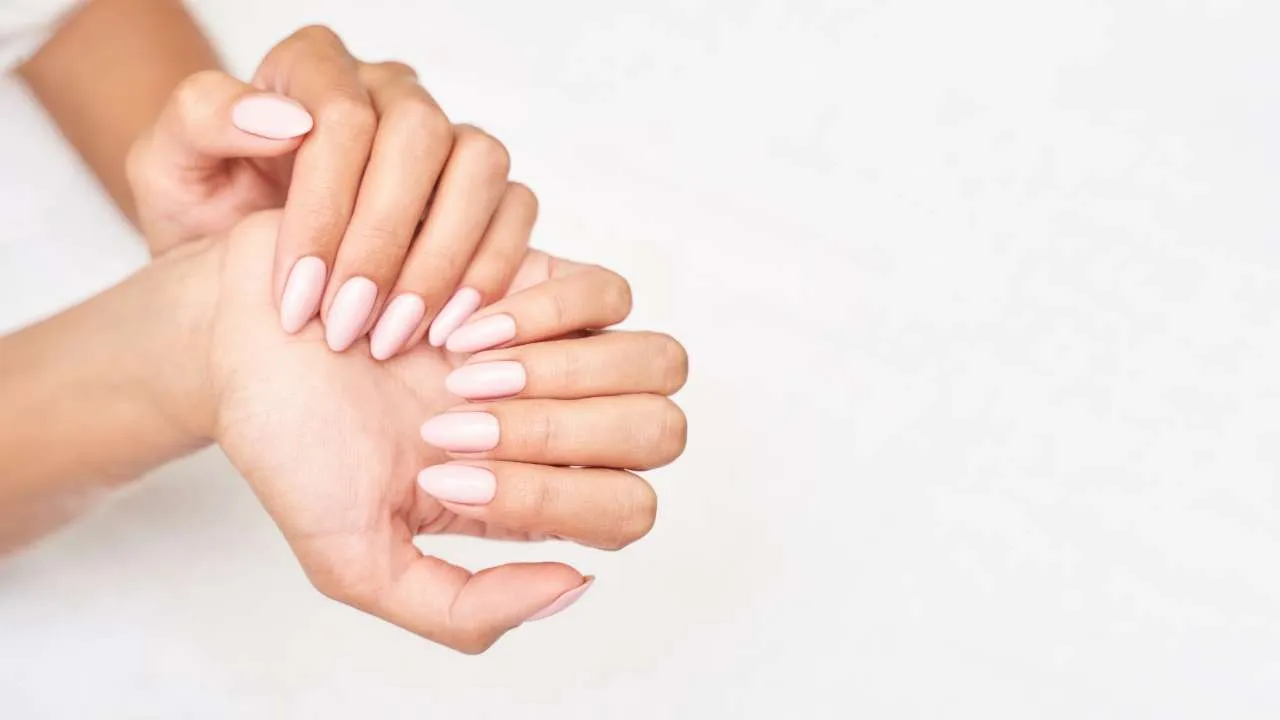
Short answer: Round and squoval shapes are the most durable, oval and almond look slimmer, and coffin and stiletto are the most dramatic and the most likely to break. The best shape depends on your nail bed, finger length and daily activity.
The shape of a nail changes how it looks and how well it holds up. This guide describes the common shapes and where each tends to work best. These are general styling and durability guidelines, not rules.
Common nail shapes
| Shape | What it looks like | Durability | Often suits |
|---|---|---|---|
| Round | Rounded tip that follows the fingertip | Very durable | Short nails, active hands |
| Oval | Longer, softly curved sides and tip | Durable | Elongating the finger |
| Squoval | Square tip with softened, rounded corners | Very durable | Most nail types, everyday wear |
| Square | Straight tip with sharp corners | Moderate, corners can catch and chip | Broad nail beds, a clean modern look |
| Almond | Tapered sides and a rounded point | Moderate | Making fingers look longer |
| Coffin or ballerina | Tapered sides with a flat, squared tip | Lower, the tip is a stress point | Longer extensions |
| Stiletto | Long, sharply pointed tip | Lowest, prone to breaking | Statement sets |
Choosing a shape
- Short nails or active hands: round, squoval or short oval keep nails strong and comfortable.
- Wide nail beds: oval and almond shapes are often used to look narrower.
- Narrow nail beds: square and squoval keep width visible.
- Extensions: longer and more tapered shapes need good structure. See why Gel-X can fail on certain nail shapes.
Shaping tips
- Shape with a fine file and file in one direction. The nail file grit chart explains the right grit.
- File the free edge, not the sides, to avoid weakening the nail corners.
- Trim with clean clippers, follow your natural curve and smooth the edges with a file.
- Choose a shorter length if you type, lift heavy items or have weak nails.
How to pick a shape for your hands
- Look at your nail bed. Long, narrow beds suit most shapes. Short, wide beds often look longer with oval or almond tips.
- Think about finger length. A tapered shape can make short fingers look longer, and a square or squoval tip suits a long, slender finger.
- Match your lifestyle. Typing, lifting and sport favor round or squoval shapes. Dramatic tips suit gentler routines.
- Consider the length. The longer the nail, the more structure the shape needs.
Shapes and maintenance
| Shape | Maintenance | Notes |
|---|---|---|
| Round and squoval | Low | Rarely snag or break |
| Oval and almond | Medium | Soft tips can chip if very long |
| Square | Medium to high | Corners can catch on clothes and chip |
| Coffin and stiletto | High | Needs good structure and regular fills |
How to shape your nails step by step
- Trim to the length you want with clean clippers.
- File the free edge with a fine file, around 180 to 240 grit, in one direction.
- Hold the file flat against the nail edge, and file the shape from the sides toward the center.
- Check symmetry across all ten nails, and smooth sharp corners lightly.
- Finish with a fine buffer and cuticle oil.
Shape and enhancements
On extensions, the shape depends on the stress area, which should sit near the thickest, most supported part of the nail. A mismatch between a tip and the natural curve is a common cause of lifting. See why Gel-X fails on certain nail shapes and the nail file grit chart.
FAQs
What is the strongest nail shape?
Round and squoval shapes tend to be the strongest because they have no sharp corners or long points.
What nail shape makes fingers look longer?
Oval and almond shapes are commonly used to elongate fingers.
What is the difference between squoval and square?
Squoval has a square tip with softened, rounded corners, while square has sharp corners.
Related guides
More in this topic: Nail Care Basics guides.