
Ukrainian vs Russian Manicure: Which is Right for You?
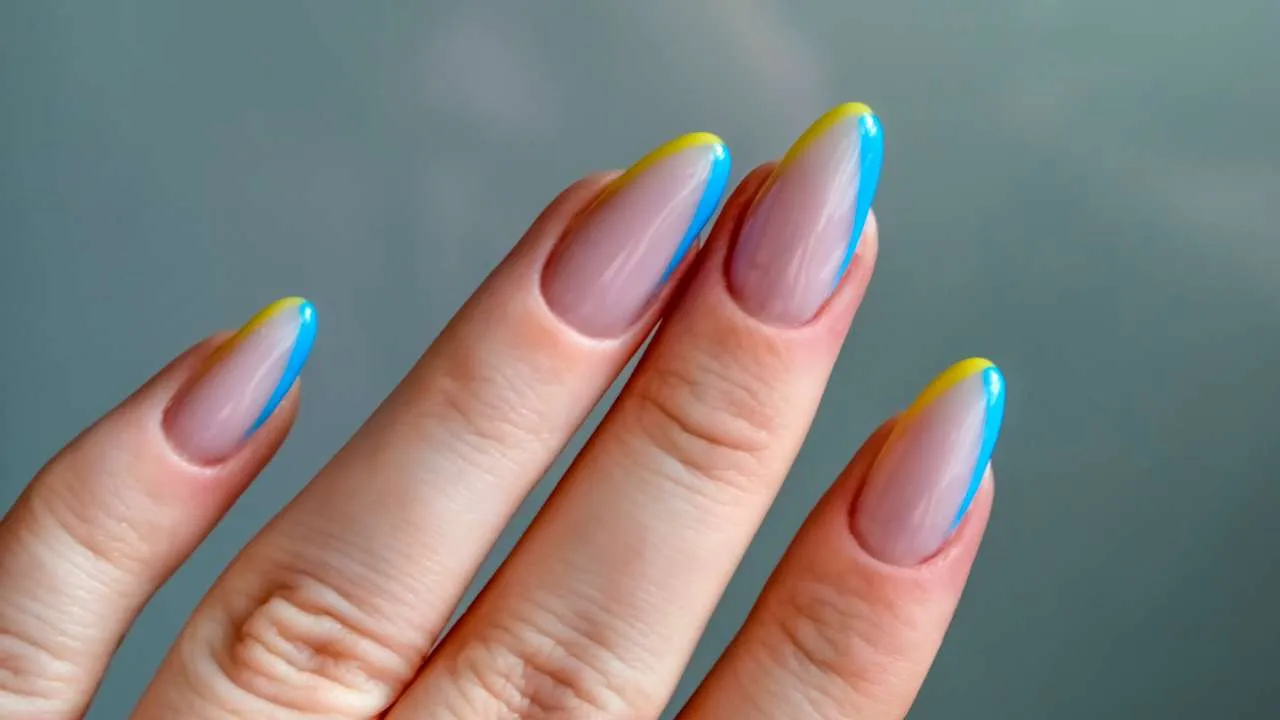
Short answer: Both are dry, e-file-based manicures. "Russian" is usually described as relying mainly on the e-file around the nail folds, while "Ukrainian" or "combi" commonly blends e-file work with scissors or nippers. Definitions vary by technician, so ask what will actually be done.
Both “Russian manicure” and “Ukrainian” or “combi” manicure are terms used for dry, e-file-based nail preparation, but definitions vary among educators and providers. Russian-style services are often described as emphasizing detailed e-file work around the nail fold; “combi” commonly refers to combining an e-file with scissors or nippers. These are conventions, not universal standards, and neither term proves a particular polish placement or safety outcome.
Both labels are used inconsistently across educators and providers. A service name alone does not establish which tools are used, how the nail is shaped, or what wear time to expect. Ask what the provider plans to do and how product will be kept off living skin.
This guide compares how educators and providers use the terms “Ukrainian,” “Russian,” and “combi” manicure, and what to ask about the tools and steps in a particular service.
What dry manicure preparation does and does not change
Dry preparation is commonly associated with these styles, but it does not make products adhere perfectly or prevent damage. Nail wear depends on the service, products, application, growth, and aftercare.
Dry preparation describes the absence of a soak during some services; it does not by itself establish better adhesion, longer wear, or healthier nails. Results depend on the product, application, nail condition, growth, and aftercare.
How Russian-style manicure preparation is commonly described
Some educators describe Russian manicure as emphasizing e-file preparation and careful work around the nail fold. Practices vary, and the term does not establish that every service uses only a machine or removes living skin. The proximal nail fold is living tissue; the cuticle is nonliving material attached to the nail plate.
Some providers apply gel close to the cuticle line for a neat appearance. Product should not be placed under living skin, and the regional label does not establish a universal application method or extra wear time.
What defines the Ukrainian combi technique and nail architecture?
“Ukrainian” or “combi” is used by some educators for a combination of e-file and manual cuticle tools. Terminology and service steps vary by educator and provider; it is not a universal standard.
Maintenance depends on the gel system, product instructions, and provider. Some enhancements are infilled or rebalanced; others are removed and reapplied. Do not infer a removal method or health benefit from the manicure’s regional name.
Ukrainian vs Russian Manicures
Descriptions of Russian manicure often emphasize e-file preparation; some providers may also use manual tools. “Ukrainian” or “combi” is commonly used for a combination of e-file and manual tools. Terminology varies, and product should not be applied under living skin. These labels do not establish a universal technique, distinct safety level, or guaranteed wear time.
| Feature | Russian manicure (common usage) | Ukrainian/combi manicure (common usage) |
|---|---|---|
| How the label is used | Often describes detailed e-file preparation around the nail fold; providers may also use hand tools. | Often describes combining an e-file with manual tools such as scissors or nippers. |
| Tools | May include an e-file and hand tools; practices vary. | May include an e-file and hand tools; practices vary. |
| Product placement | Product may be applied near the cuticle line, but should not be placed under living skin. | Product may be applied near the cuticle line, but should not be placed under living skin. |
| Nail shape or structure | Depends on the enhancement and provider, not the regional label alone. | Depends on the enhancement and provider, not the regional label alone. |
| Wear | Varies with product, application, nail growth, and aftercare. | Varies with product, application, nail growth, and aftercare. |
Ask the salon about current services and procedures
Choosing a manicure based on its actual service steps
Choose based on the specific steps the provider describes, your preferences, and your nail or skin condition, rather than assuming the regional label guarantees a particular result. Ask about tool processing and request that the service stop if it hurts.
FAQ's about Russian vs Ukrainian manicures
What are the main benefits of a Russian manicure over a regular manicure?
Some providers describe detailed e-file preparation as part of a Russian manicure, but terminology and steps vary. Dry preparation does not guarantee a particular wear time or prevent lifting or chipping; those outcomes depend on the product, application, nail growth, and aftercare.
Is the Russian manicure technique safe for my nails?
Tool-processing requirements vary by item and location. Ask the provider how reusable tools are processed and check current local rules.
How long does a Russian or Ukrainian manicure last?
There is no fixed wear time for either label. Ask about the product used and its maintenance instructions; growth, application, daily activity, and aftercare also affect when a set needs attention.
Can I get a Russian or Ukrainian manicure if I have sensitive skin?
Sensitivity varies, and a provider cannot promise an irritation-free service. Tell the provider about sensitivities or prior reactions, ask what steps and products they plan to use, and stop if you feel sharp pain or burning. Seek medical advice for a rash or worsening symptoms.
What is "apex logic" in nail structures?
The apex is the highest point of a shaped enhancement. Its placement depends on the product, nail length, and intended structure, not whether the service is called Russian or Ukrainian.
Do Russian or Ukrainian manicures involve soaking my nails in water?
These styles are often described as “dry,” but service steps vary among providers. Avoid assuming every service excludes water or that dry preparation guarantees adhesion or prevents chipping.
Is it possible to get a polish-free Russian or Ukrainian manicure?
You can ask for a service without color or an enhancement if the provider offers it. A Japanese manicure is a separate service name; it is not an automatic step in either Russian or Ukrainian manicure.
What is nail "rebalancing" and why is it significant?
Rebalancing means maintaining an existing enhancement by addressing new growth and the structure, rather than automatically removing the full set. Whether a product can be filled, soaked off, or filed down depends on the product instructions and the provider’s assessment.
Which is safer, Russian or Ukrainian manicure?
Neither is safe by default. Safety depends on the technician's training, light pressure, and clean tools, and on whether living skin is cut.
Is a Ukrainian manicure the same as a combi manicure?
The terms are often used together, but they are not standardized. Ask what the technician will do.
Related guides
More in this topic: Russian Manicure guides.