

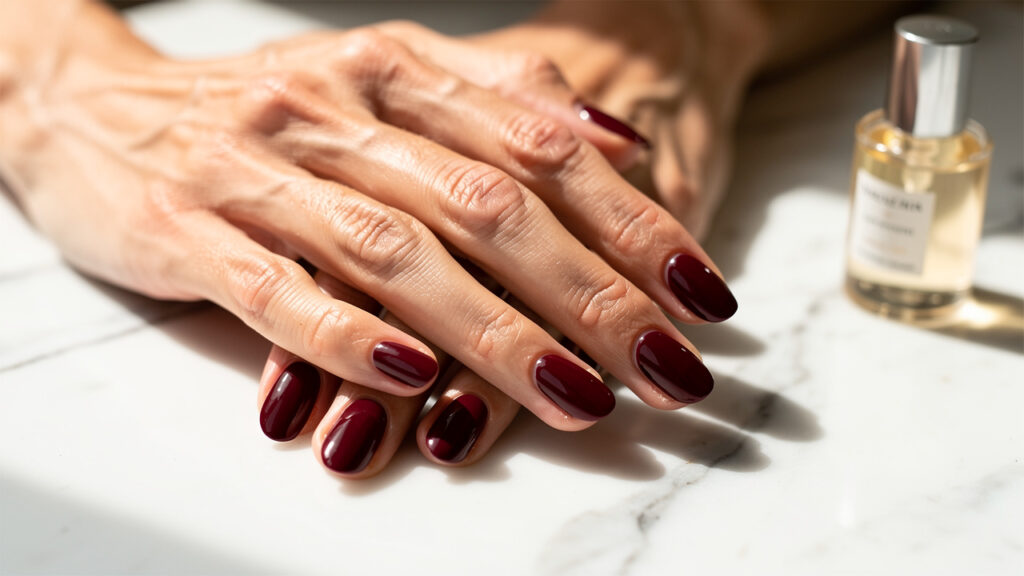
Perfect, glossy nails that stay sharp for weeks can change how someone walks into a meeting or a dinner. Scroll through TikTok or Instagram and it seems every second nail video shows the same thing – ultra clean cuticles, polish tucked right up to the skin, and no chips in sight. That style usually comes from the Russian manicure technique, and it leads many people to ask a simple question in the comments: is Russian manicure safe?
For many clients in the US, Canada, and the UK, the answer feels obvious. Their Russian manicure lasts three to five weeks, there is no lifting, and nails look camera ready the whole time. On the other side, dermatologists and nail health specialists warn about infection, nail thinning, and long term effects on nail cuticle health.
So, is Russian manicure safe by nature, or does everything depend on who holds the electric file and how they were trained? This guide looks at:
How the technique actually works
The real Russian manicure dangers experts talk about
How it compares to a regular manicure
How to find someone who can perform it as safely as possible
By the end, it should be much easier to decide if the look, cost, and time fit personal priorities and comfort level.
What is a Russian manicure?
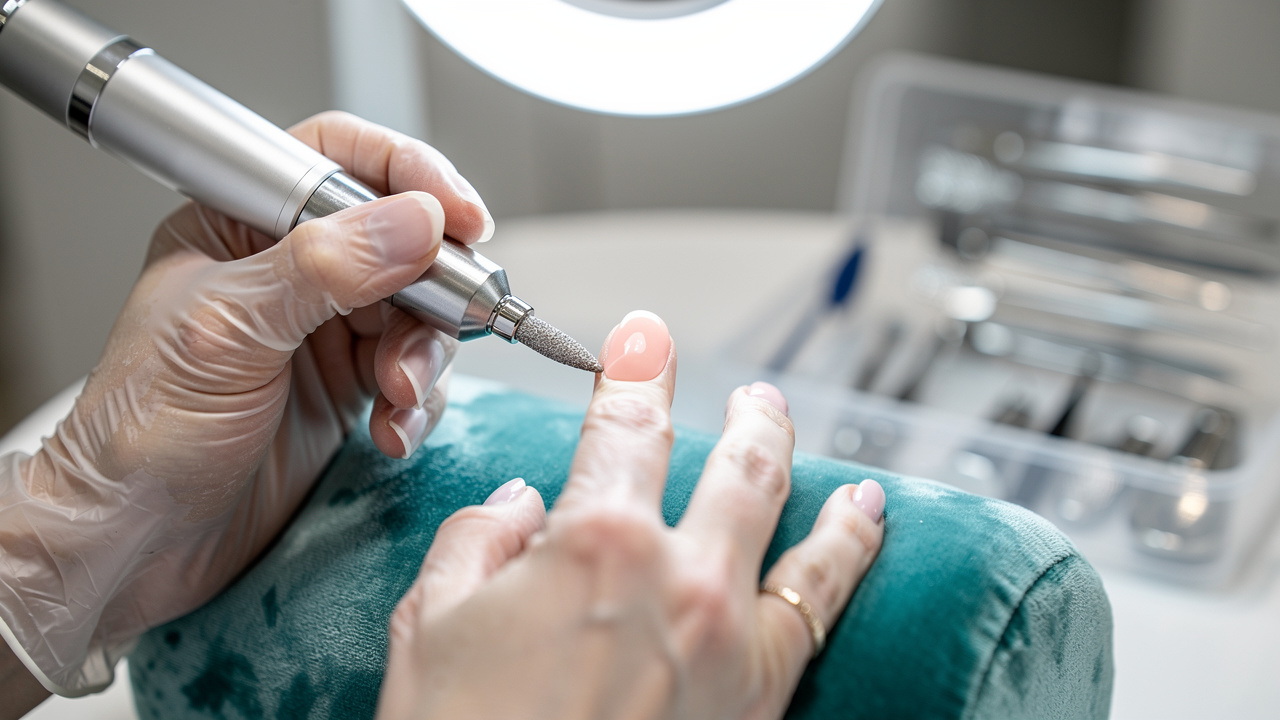
A Russian manicure, sometimes called a dry manicure, e-file manicure, or electric file manicure, is a detailed nail prep method that works only on dry hands. Instead of soaking fingers in water, the technician keeps the nail plate firm and uses an electric file fitted with tiny diamond bits. The focus is on cleaning the cuticle area so well that polish can sit almost under the skin, which is a big reason many people keep asking in search bars and comments: is Russian manicure safe for regular use?
Before polish goes on, most services start by removing old gel. Rather than soaking nails in acetone for several minutes, the technician files away most of the old product, leaving a very thin base layer to protect the natural nail. Then the cuticle and surrounding skin are lifted, exfoliated, and trimmed with the e-file and fine scissors so only dead, non‑living skin is taken away while the living eponychium stays intact. Understanding this process is a key step in deciding whether a Russian manicure is safe for each person.
A typical appointment includes several steps:
Shaping and gentle buffing
The technician shapes the natural nail and lightly buffs the surface while the plate is completely dry. Working on a dry surface gives more control, because the nail does not swell with water and then shrink afterward. Supporters feel this dry manicure safety benefit helps polish last longer and keeps the nail structure more stable.Detailed cuticle care with the e-file
Next comes detailed cuticle work with the e-file and narrow bits chosen for different parts of the nail fold. The goal is to clean every trace of dead tissue from the plate without scratching it or touching living skin. Done well, this step creates the smooth, wide nail bed that gives Russian manicures their photo‑ready look.Structured gel and color application
After prep, many salons add a structured gel overlay before color so the nail has extra strength against daily wear. Because each finger receives so much attention, appointments often last one and a half to two and a half hours, and prices can range from about 100 to 250 dollars. Fans accept the time and cost because the manicure usually lasts three to five weeks with very little chipping.
Knowing how the tools are meant to touch only dead tissue also makes it easier to judge is e‑file manicure safe in real life, not just in short social clips.
Russian manicure dangers what the experts say
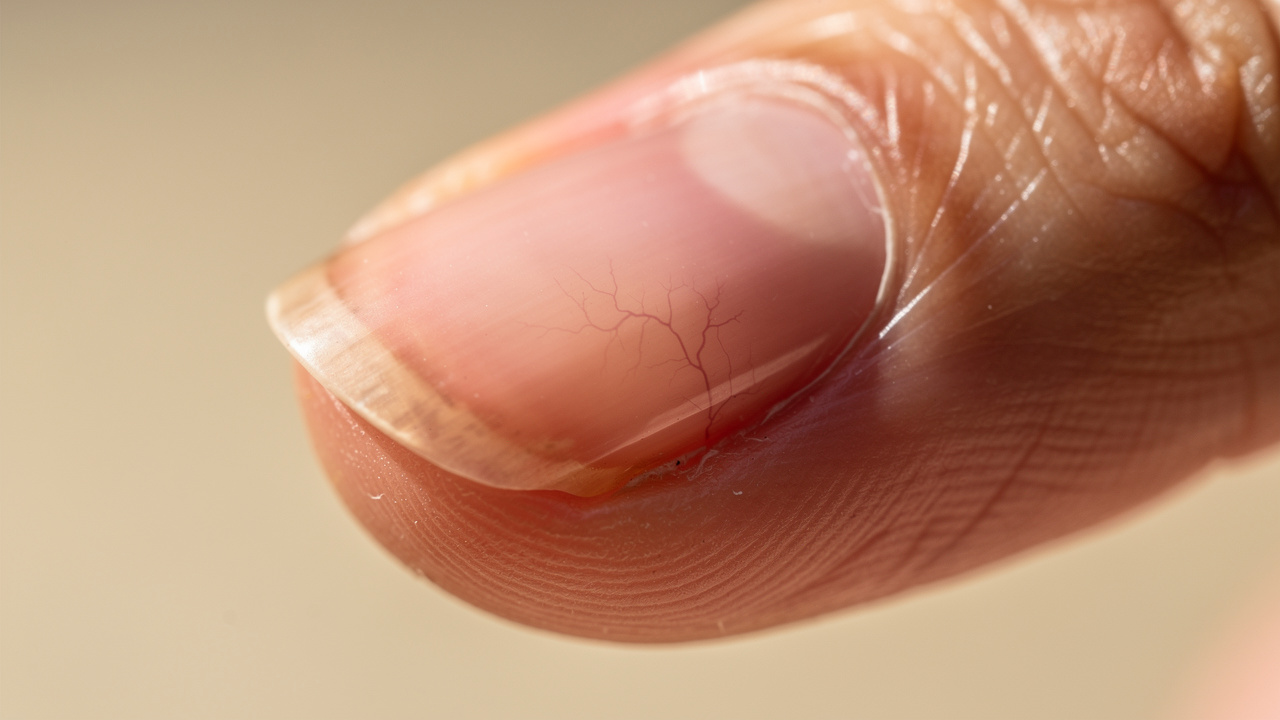
To answer is Russian manicure safe in an honest way, it helps to start with the cuticle. Dermatologists agree that the thin strip of skin at the base of the nail acts like a natural seal. It blocks moisture, yeast, and bacteria from sliding into the area where new nail cells form.
The American Academy of Dermatology explains, “Your cuticles protect your nails and the surrounding skin from infection. It’s best to leave them alone.”
The American Academy of Dermatology advises leaving cuticles alone or only pushing them back gently, because once that seal is broken the nail unit becomes much easier to infect. For many doctors, Russian manicure cuticle removal risks sit at the center of the safety debate.
Medical experts often speak about several Russian manicure side effects and risks:
Infection
Infection is the risk most doctors highlight in interviews about Russian manicure dangers. When a technician removes the entire cuticle or nicks living skin, germs can slip into tiny openings that are hard to see. This can lead to paronychia, a painful swelling around the nail fold, or to onychomycosis, a fungal infection that changes nail color, shape, and thickness.Nail plate thinning and soreness
Improper e-file use can wear down the nail plate itself and cause Russian manicure nail thinning over time. Filing too hard or at the wrong angle may leave the plate sore, soft, or full of ridges that catch on fabrics. People sometimes blame the gel, but in many cases the trauma comes from repeated rough work during prep.Long term damage to the nail matrix
Repeated trauma near the base of the nail can scar the matrix, the hidden area that creates new nail cells. Once that area is scarred, Russian manicure long term effects may include nails that grow in bumpy, split easily, or never quite return to their earlier strength. This type of damage can take months to show and is hard to reverse.
Another concern is Russian manicure bleeding during the service. A tiny dot of blood might look minor, yet it shows the eponychium, or living skin, has been cut instead of just dead cuticle. This not only raises the chance of Russian manicure infections but also suggests the technician is rushing, distracted, or not fully trained in safe pressure control.
As many experienced nail educators like to remind clients, “If it hurts, it’s not being done correctly.”
Several well known dermatologists now tell patients to skip this kind of cuticle removal, because in their view the risk is too high for the sake of polish placement. At the same time, experienced educators in the nail field point out that careful training, gentle technique, and strict hygiene change the picture. Salons such as Xpert Russian Manicure Salon train staff to remove only dead tissue and to pair every Russian manicure technique with hospital‑grade sterilization of metal tools. From this angle, the big question shifts from is Russian manicure safe to is the person performing it trained and clean enough to protect each client?
Russian manicure vs regular manicure key differences
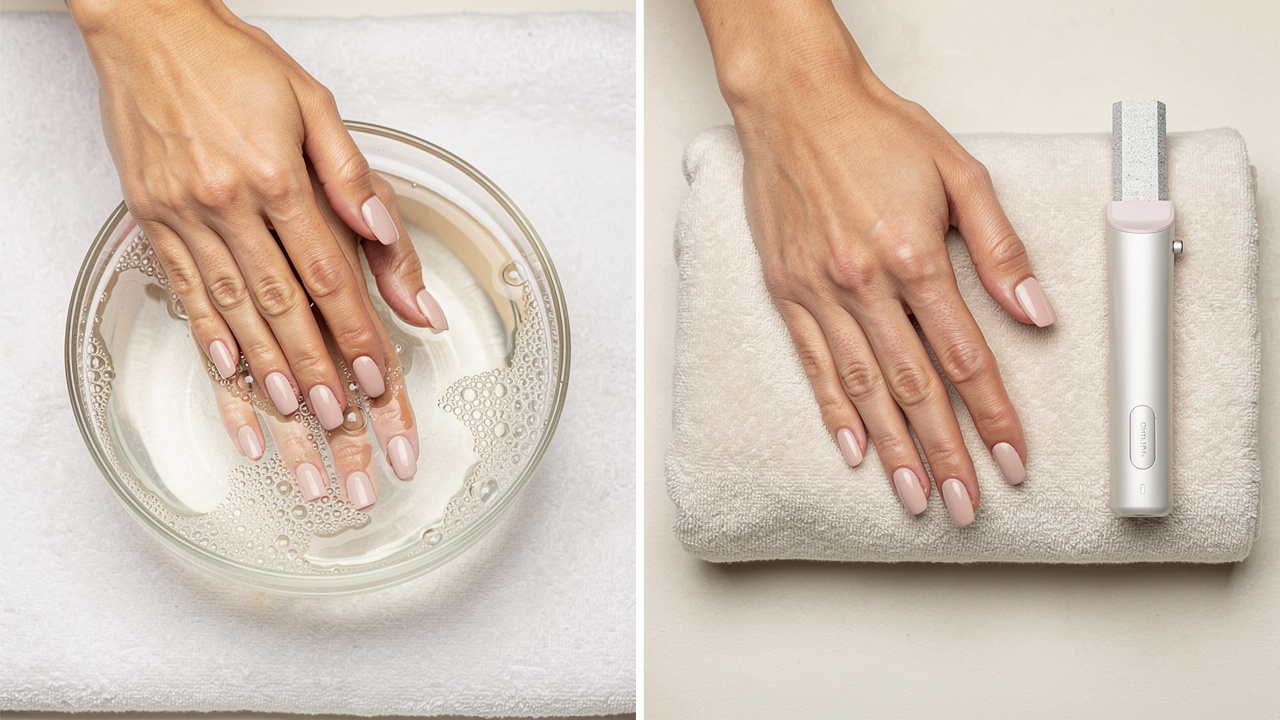
Clients who compare Russian manicure vs regular manicure often notice that they feel like two different services rather than small variations on the same theme. The tools, timing, and even the way water is used all change the experience. Understanding these points makes it easier to decide which option fits a person’s nails, schedule, and comfort level.
In a regular manicure, hands usually soak in a warm bowl for several minutes so the cuticles soften and push back easily. The Russian method keeps everything dry from start to finish, which means there is no shared water and the nail plate does not puff up before filing. Fans argue that this dry approach gives better adhesion and plays a role in why many people feel is dry manicure better for long wear.
Cuticle care is another big difference:
Regular manicure: Cuticles are pushed back and only obvious loose skin is removed.
Russian manicure: The technician focuses on polishing away every bit of dead tissue on the plate so color can sit right beneath the borderline of skin. That finished look is also why so many people ask is Russian manicure safe for their cuticles in the long run.
A traditional gel manicure often looks grown out at about ten to fourteen days, while a Russian service can stay neat for three to five weeks. Fewer appointments can sound good for nail health because there is less frequent filing and product removal. At the same time, aggressive prep from an untrained hand can stack up Russian manicure side effects such as thinning, peeling, or soreness, so long term results really depend on skill. For busy professionals, these Russian manicure benefits in wear time are a big draw.
Regular manicures tend to be faster, around forty five to sixty minutes, and cost less, while Russian appointments take longer and sit at a higher price point because of the detail work and training involved. Standard gel removal usually relies on repeated acetone wraps, which can dry the skin and nail, while Russian manicures file away most product instead. For many clients the real question is not just is Russian manicure safe but is e‑file manicure safe in the hands of their chosen tech, and that answer depends on how carefully the tool is controlled.
How to get a safe Russian manicure
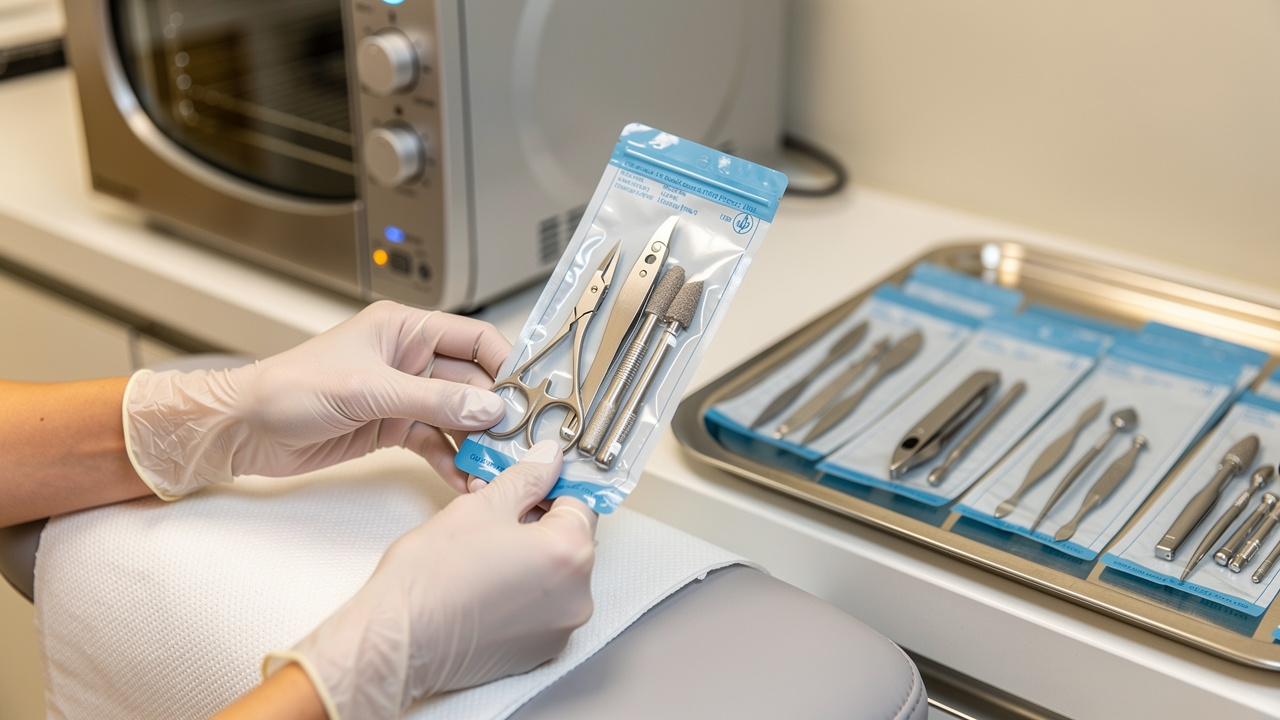
For anyone who loves the clean look and wants to know is Russian manicure safe in practice, the choice of salon makes all the difference. Safety does not come from the e-file itself but from training, pressure control, and hygiene. A few smart steps before and during an appointment can cut risk and raise the chance of long lasting, comfortable results.
Consider the points below while booking or sitting in the chair:
Check training and focus
Look for a nail artist who lists Russian manicure or e-file manicure as a main focus, not just a side add‑on. Ask about formal training courses, how long they have worked with this technique, and how they learned about nail anatomy. Someone who can explain how they protect nail cuticle health is far more likely to perform the service safely. Clients often wonder if an e‑file nail drill safe approach exists, and clear answers about training are a good sign.Pay close attention to hygiene
Metal tools such as bits, nippers, and scissors should arrive in sealed pouches that are opened in front of the client, showing they have gone through full cleaning, disinfection, and heat sterilization. At Xpert Russian Manicure Salon, for example, every metal tool passes through hospital‑grade equipment so the risk of Russian manicure infections from contaminated instruments stays as low as possible. In practice, electric file manicure pros and cons come down to how clean the tools are and how gently they are used on each nail.Review healed work, not just fresh photos
Before booking, scroll through photos or videos that show how the manicure looks three to four weeks later, not only right after the appointment. Healthy healed results show smooth skin, no redness at the nail fold, and polish that has grown out cleanly without lifting. If many photos show raw edges, puffy skin, or comments about pain, that is a sign to keep searching.Speak up during the service
During the service, speak up if any step feels hot, sharp, or painful, or if the technician cannot clearly describe the sterilization routine. Bleeding should never be brushed off as normal, and if it happens, it is reasonable to stop the service. Afterward, daily cuticle oil, rich hand cream, and gloves for cleaning help protect both the skin and structured gel so Russian manicure nail damage is less likely to appear between visits.Consider health conditions and medications
Anyone with diabetes, circulation problems, immune issues, or a history of nail infections should mention this before the appointment. In some cases, a more conservative manicure style or a medical opinion is a safer choice.
Searching online for Russian manicure near me is only the starting point. The next step is to filter salons by training, sterilization, and the way healed work looks, so the service matches both style and safety needs. Following these checks makes a yes to the question is Russian manicure safe feel much more realistic.
Final thoughts on Russian manicure safety
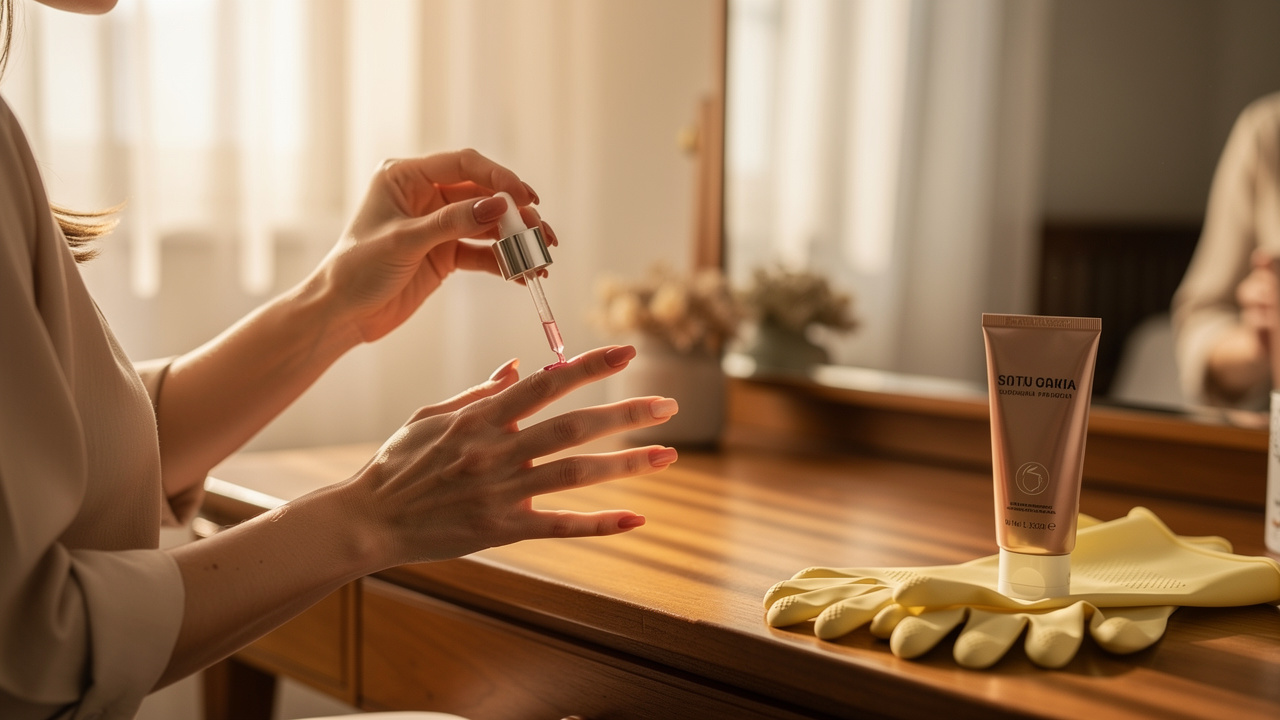
So, is Russian manicure safe as a choice for long lasting, polished nails? The honest answer is that it can be, under strict conditions. The technique itself is intense for the cuticle area, and Russian manicure dangers such as infection, nail thinning, and long term changes are real if the wrong person holds the e-file. In skilled hands at a salon that treats sterilization like a medical setting, the same method can give strong, glossy nails that stay neat for weeks.
To make the service work in personal favor:
Take time to research and compare salons
Check training and hygiene standards
Look for healed photos, not only fresh results
Keep up a simple aftercare routine at home
If a salon’s safety standards match those used at places like Xpert Russian Manicure Salon, and if the nails feel comfortable rather than sore afterward, many clients find the results worth the investment. The goal is not the cheapest appointment, but the safest one that still delivers the clean Russian look that started the trend.
FAQs
Does a Russian manicure damage your nails?
In skilled hands, a Russian manicure should not damage the nail plate, because only dead tissue is removed and the e-file glides gently. Problems start when someone presses too hard or files in the same spot again and again. Nail thinning, ridges, and long lasting soreness usually point to poor technique rather than the method itself. If Russian manicure nail damage shows up after every visit, it is time to change technicians.
Is bleeding normal during a Russian manicure?
Bleeding is never a normal part of this service. It means the living eponychium has been cut, not just the dead cuticle, and that raises the chance of Russian manicure infections. If blood appears, it is wise to pause the appointment and rethink trusting that technician with future nail work.
How long does a Russian manicure last?
Most Russian manicures stay neat for three to five weeks without chips or lifting, thanks to dry prep and color placed very close to the cuticle. A structured gel layer also helps the nails resist daily bumps. Good aftercare and gentle filing during refills help protect long term results. This longer wear time is one reason many ask is Russian manicure safe enough to make it their regular choice.
Is a Russian manicure safe for people with sensitive skin?
For sensitive skin, the safety of the service depends on how careful the technician is. A gentle expert can adjust pressure, choose softer bits, and stop long before any burning or sharp feeling. Anyone with existing nail disease, chronic swelling, or a history of infection should speak with a dermatologist before booking and be honest about symptoms during the consultation. If those boxes are checked, many clients with sensitivity still enjoy the results without needing to ask again is Russian manicure safe for them.
Is Russian manicure legal in Boston?
Yes, Russian manicure is legal in Boston, Massachusetts including many other states of US. So you can come visit our nail salon in Boston to enjoy the safe manicure experience from certified nail technicians.